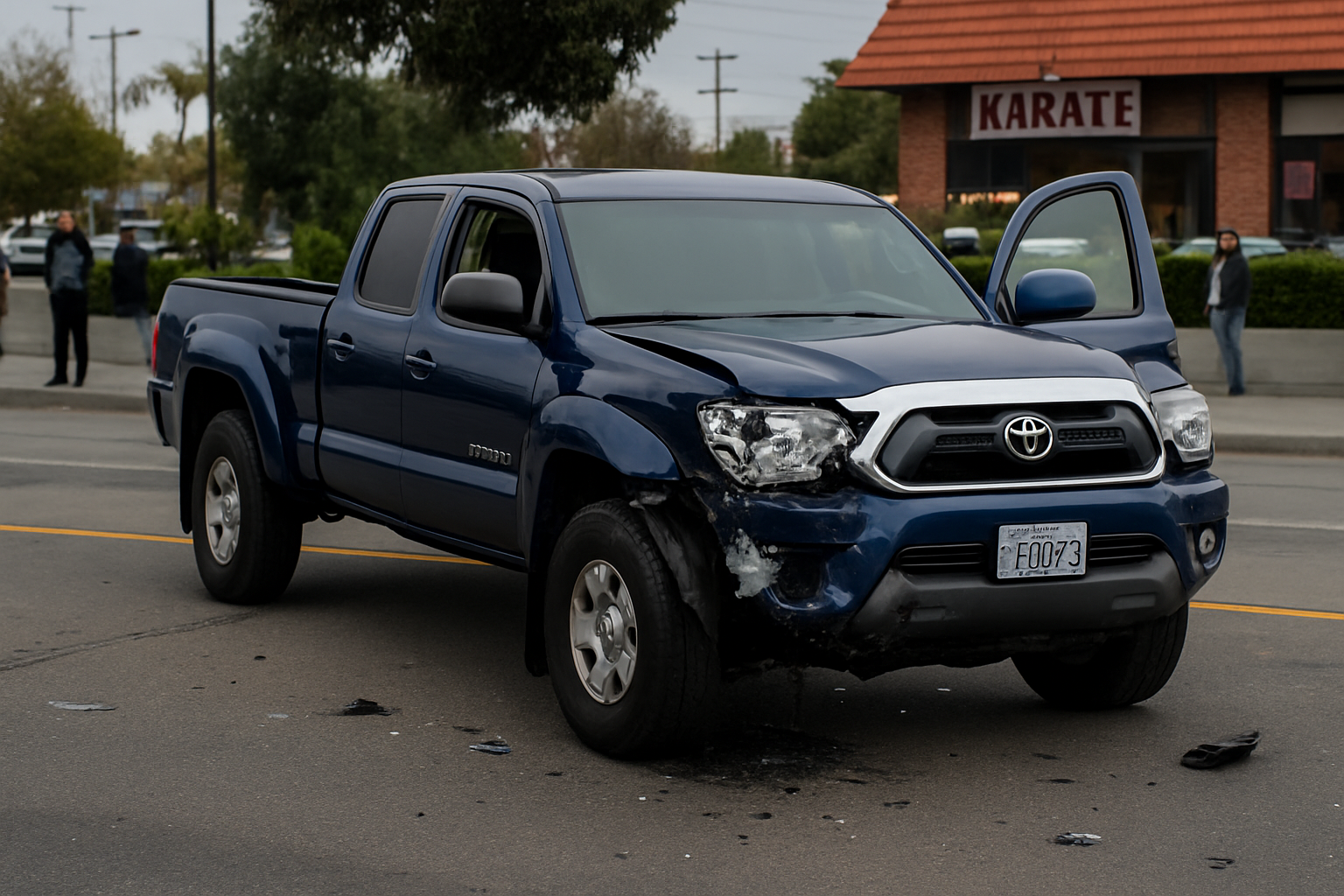
If you just got your quote after adding your teen to your Tacoma policy, you've seen the spike. Here's how to cut that increase by stacking Washington state's best discounts and choosing the right carrier before your renewal.
What Adding a Teen Driver Actually Costs in Tacoma
Adding a 16-year-old driver to a parent policy in Tacoma typically increases the annual premium by $2,200–$3,600, depending on the vehicle, coverage level, and carrier. That translates to roughly $185–$300 per month added to what you're already paying. Washington state rates run slightly higher than the national average due to higher liability minimums and dense metro traffic patterns in Pierce County.
The sticker shock comes from actuarial reality: teen drivers aged 16–19 are three times more likely to be involved in a collision than drivers aged 20 and older, according to the Insurance Institute for Highway Safety. Carriers price that risk directly into your premium. But the increase isn't uniform across insurers — some carriers penalize teen additions far more aggressively than others, and the carrier that gave you the best rate as an adult may now be your most expensive option.
Most parents assume they should stay with their current insurer and just accept the increase. That's often the wrong move. Washington has several regional carriers like PEMCO and mid-size nationals like State Farm that offer significantly lower teen driver rates than the major nationals like Allstate or Farmers. Shopping your policy at the point you add your teen — not waiting until renewal — can cut that monthly increase by 30–40%. what liability insurance actually covers
Tacoma's Cheapest Carriers for Teen Drivers
State Farm and PEMCO consistently offer the lowest rates for Tacoma families adding a teen driver, with average monthly increases of $160–$210 compared to $250–$300 at Allstate or Farmers. State Farm's Steer Clear program and PEMCO's regional focus on Washington drivers create meaningful rate advantages that compound when you stack discounts.
USAA is the cheapest option if you qualify for military affiliation, often adding only $140–$180 per month for a teen driver. Membership is restricted to active duty, veterans, and their families, but if you're eligible, no other carrier comes close. Geico and Progressive fall in the middle tier — not the cheapest, but competitive if you're already getting multi-policy or homeowner bundling discounts that outweigh the teen surcharge.
The critical insight: your current carrier's base rate advantage disappears once you add a teen. If you're with a carrier that targets low-risk adult drivers — like Amica or Liberty Mutual — your teen addition surcharge will be disproportionately high because they don't specialize in young driver risk. You're subsidizing their selective underwriting. Switching to a carrier that actively writes teen policies gives you access to theirteen-specific discount programs, which can stack to reduce your effective increase by 25–35%.
Graduated Licensing Laws in Washington and What They Mean for Your Rate
Washington operates a three-stage Graduated Driver Licensing (GDL) system that directly affects your coverage decisions and, indirectly, your rate. Your teen starts with an Instruction Permit at age 15, requiring 50 hours of supervised driving (10 at night). At 16, they can get an Intermediate License with restrictions: no driving between 1 a.m. and 5 a.m. unless for work or school, and no more than three passengers under 20 unless accompanied by a parent or guardian for the first six months.
These restrictions don't lower your premium automatically, but they do reduce exposure — fewer unsupervised night hours and fewer peer passengers mean statistically fewer claims. Some carriers offer modest GDL discounts (5–10%) during the restricted license phase, but most simply price the teen as a full driver once they're listed on the policy. The restriction period lasts until age 18 in Washington, at which point your teen gets a full license and the GDL limitations lift.
From a coverage perspective, your teen is a rated driver on your policy the moment they have an Instruction Permit and begin driving your vehicle, even under supervision. Waiting to add them until they get the Intermediate License creates a coverage gap — if they're in an at-fault collision during the permit phase and weren't listed, your claim can be denied. Add them when they get the permit, not when they start driving solo. Washington state's minimum liability requirements
The Four Discounts That Actually Cut Your Rate
The Good Student Discount is the highest-value discount available, cutting your teen's surcharge by 15–25% at most carriers. Your teen must maintain a B average (3.0 GPA) or appear on the honor roll. Carriers require proof — either a report card or a letter from the school registrar — at the time you add the teen and again every six months or annually. State Farm, PEMCO, and Geico all offer this discount, but renewal documentation requirements vary. If you don't proactively submit updated proof, the discount quietly disappears mid-policy, and most parents don't notice until the next renewal.
Driver training or defensive driving courses reduce rates by another 5–15%. Washington doesn't mandate driver's ed for licensing, but completing an approved course satisfies carriers' discount requirements. The course must include both classroom and behind-the-wheel components — online-only courses usually don't qualify. Check your carrier's approved provider list before enrolling; not all programs count.
Telematics programs like State Farm's Drive Safe & Save or Progressive's Snapshot can reduce your teen's rate by 10–30% based on actual driving behavior: hard braking, speeding, night driving, and phone use. The discount grows over the monitoring period (usually six months), and safe drivers see the maximum reduction at renewal. The tradeoff: you're sharing real-time driving data with the carrier, and poor scores can result in no discount or even a small surcharge. For cautious teen drivers, it's a significant rate lever. For aggressive drivers, it backfires.
The Distant Student Discount applies if your teen goes to college more than 100 miles from home and doesn't take a vehicle. The discount is substantial — 20–40% off the teen surcharge — because the teen is no longer a regular driver of your vehicles. You'll need proof of enrollment and confirmation that the student doesn't have a car on campus. This is one of the most underutilized discounts among Tacoma parents with college-bound teens.
Add to Your Policy or Get a Separate One?
Adding your teen to your existing policy is almost always cheaper than getting them a separate standalone policy. A standalone policy for a 16-year-old in Tacoma typically costs $400–$650 per month for state minimum liability coverage — roughly double what you'd pay adding them to a parent policy with full coverage. Insurers offer multi-car and multi-driver discounts that only apply when policies are bundled, and those discounts often outweigh the teen surcharge.
The rare exception: if your driving record includes multiple at-fault accidents or a DUI, your own rate is already surcharged, and adding a teen compounds the penalty. In that scenario, a separate policy for the teen under a grandparent's name or as a named insured on a standalone policy might be cheaper. Run both quotes before deciding.
Some parents consider listing the teen as an occasional driver rather than a principal driver to reduce the surcharge. This only works if the teen genuinely drives less than 50% of the time and another vehicle in the household is their primary car. Misrepresenting driver status is material misrepresentation — if your teen is in an at-fault collision and the carrier discovers they were actually the primary driver, your claim can be denied and your policy rescinded. The savings aren't worth the coverage risk.
Coverage Decisions: What Your Teen Actually Needs
If your teen drives a vehicle you own outright — a paid-off older sedan or SUV — you can legally drop collision and comprehensive coverage and carry only Washington's mandatory liability minimums: $25,000 per person for bodily injury, $50,000 per accident, and $10,000 for property damage. Dropping collision and comprehensive can cut your teen's added cost by 30–40%, but you're also accepting 100% financial responsibility if your teen totals the car or it's stolen.
If the vehicle is financed or leased, your lender requires collision and comprehensive, so this isn't an option. Even on a paid-off vehicle, dropping these coverages only makes sense if the car's value is low enough that you can afford to replace it out of pocket. A $4,000 car totaled in an at-fault collision is a manageable loss for most families; a $15,000 car isn't.
Liability limits are the more important decision. Washington's state minimums are dangerously low — a single serious injury collision can easily exceed $25,000 in medical costs, leaving you personally liable for the difference. Increasing liability to $100,000/$300,000/$100,000 adds roughly $15–$30 per month to your total premium and protects your assets if your teen causes a serious accident. This is the one coverage increase worth prioritizing, especially if you own a home or have significant savings. collision coverage
Vehicle Choice and How It Affects Your Teen's Rate
The vehicle you assign to your teen has a direct, substantial impact on your rate. Assigning your teen to an older, lower-value sedan rather than a newer SUV or truck can reduce the teen surcharge by 20–30%. Insurers rate vehicles based on repair costs, theft rates, and historical claim severity — a 2012 Honda Civic costs far less to insure than a 2020 Ford F-150, even if both are paid off.
Safety features matter, but not always in the direction parents expect. Newer vehicles with automatic emergency braking, lane departure warning, and blind spot monitoring qualify for modest safety discounts (5–10%), but those discounts rarely offset the higher base cost of insuring a newer, more expensive vehicle. A 2018 sedan with advanced safety tech will still cost more to insure than a 2010 sedan without it.
Avoid high-performance vehicles, sports cars, and anything with a turbocharged or V8 engine. Insurers surcharge these vehicles aggressively for teen drivers — sometimes doubling the teen addition cost — because they're statistically correlated with higher-speed collisions and more severe claims. A 2015 Mustang GT will cost significantly more to insure than a 2015 Accord, even if the sale prices are identical. compare rates from Tacoma carriers