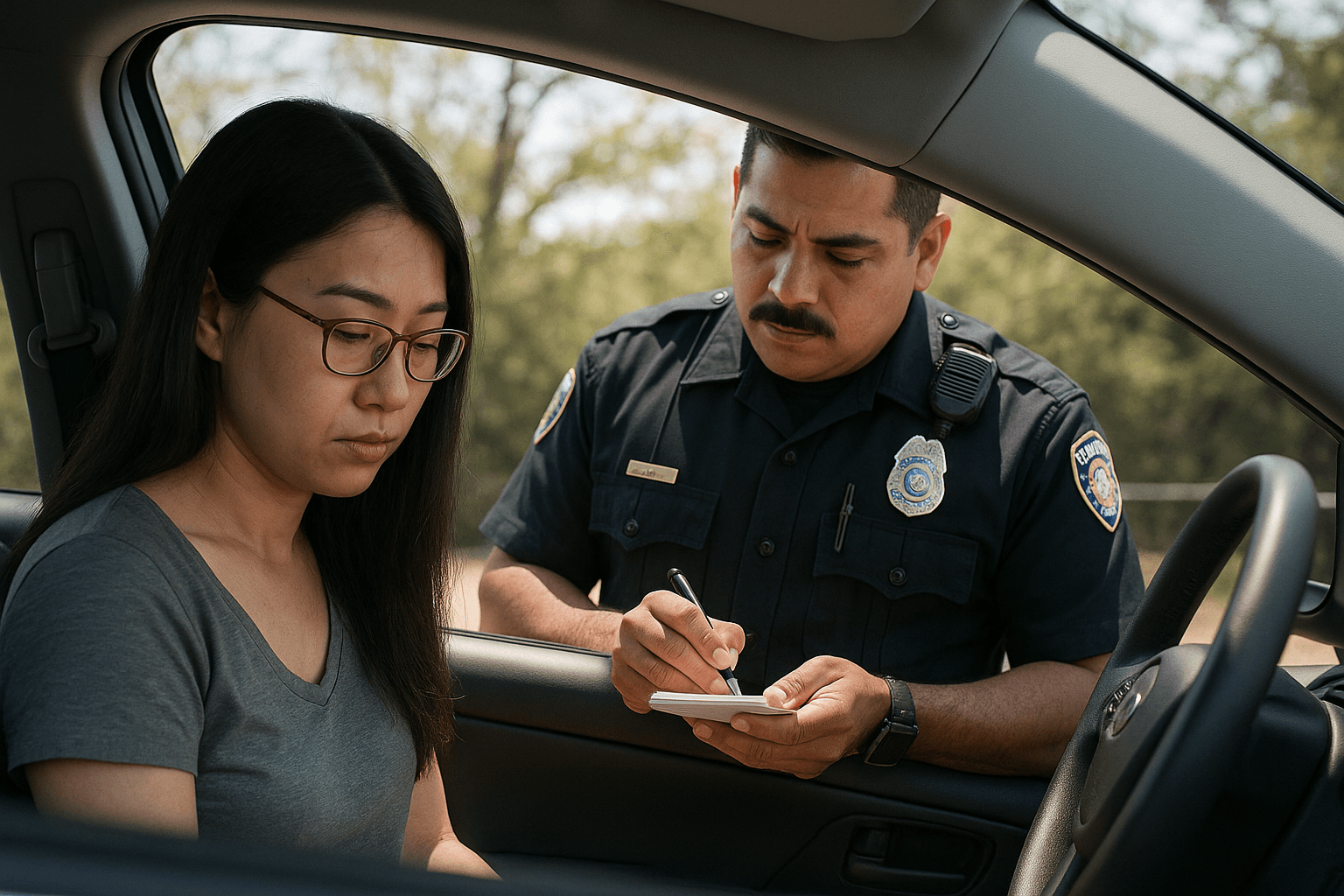
California parents adding a teen driver to their policy face premium increases of $2,400–$4,200 annually, but stacking the state-mandated good student discount with telematics programs and driver training can reduce that surcharge by 30–45%.
What Adding a Teen Driver to Your California Policy Actually Costs
Adding a 16-year-old to a parent's California auto policy increases annual premiums by $2,400–$4,200 on average, with variation driven by the vehicle the teen drives, coverage level, and the parent's current carrier. Parents with full coverage on newer vehicles see the highest increases because collision and comprehensive premiums rise proportionally with the teen's added risk profile.
The surcharge reflects California teen drivers' accident rate: drivers aged 16–19 are three times more likely to file a collision claim than drivers 30–50, and comprehensive claims for theft and vandalism spike in metro areas where teens park at school or work. Carriers price these probabilities directly into the teen surcharge, which is why the same 16-year-old costs more to insure in Los Angeles County than in rural Kern County even on the parent's existing policy.
The add-to-policy decision beats a separate teen policy in California 85% of the time because multi-car and family bundling discounts reduce the per-vehicle premium more than a standalone young driver policy offers. The exception: parents with a single vehicle on a minimum liability policy may find a separate teen policy costs less, particularly if the teen qualifies for the good student discount and a telematics program with the standalone carrier.
California's Mandated Good Student Discount and How to Keep It
California Insurance Code Section 1861.025 requires every carrier writing auto insurance in the state to offer a good student discount to teen drivers who maintain a B average or equivalent 3.0 GPA. The discount reduces premiums by 15–25% depending on carrier, making it the single highest-leverage cost reduction tool available to parents adding a teen driver.
Most carriers require parents to submit grade documentation at policy inception and again every 6–12 months. If the parent misses the renewal submission window, carriers remove the discount mid-policy without proactive notification — the premium simply increases at the next billing cycle. Parents who set calendar reminders to submit report cards or transcripts 30 days before each policy renewal avoid this silent surcharge.
The discount applies from the first day the teen holds a learner's permit through age 25 as long as the student remains enrolled full-time and maintains the GPA threshold. Homeschooled teens qualify using standardized test scores or a parent-certified transcript, and college students qualify using semester GPA reports submitted directly to the carrier.
See what adding a teen driver actually costs in your state
Compare quotes from carriers that offer good student discounts — most parents find savings they didn't know were available.
Get Your Free Quote✓ Good Student Discounts✓ No Obligation✓ Licensed Carriers✓ All 50 States
Graduated Licensing Requirements and Coverage Timing in California
California requires teen drivers to hold a learner's permit for at least six months, complete 50 hours of supervised driving including 10 hours at night, and pass both a written and behind-the-wheel test before receiving a provisional license at 16. Parents must add the teen to their policy the day the learner's permit is issued because California law considers a permitted driver a household member with access to vehicles, and coverage is void in a permit-holder accident if the teen was not listed on the policy.
The provisional license restricts nighttime driving between 11 PM and 5 AM and prohibits passengers under 20 unless accompanied by a licensed driver 25 or older for the first 12 months. These restrictions reduce accident exposure during the highest-risk hours and passenger configurations, but they do not reduce premiums — carriers price the teen surcharge based on annual risk averaged across all driving scenarios.
Parents whose teens drive to school or work during restricted hours can apply for a necessity exemption through the DMV, but the exemption does not change insurance pricing. The surcharge drops meaningfully only when the teen turns 18 and the provisional restrictions expire, at which point carriers typically reduce the young driver premium by 10–15%.
Which California Carriers Offer the Lowest Teen Driver Rates
State Farm, GEICO, and USAA consistently offer the lowest combined rates for California parents adding a teen driver when good student, telematics, and driver training discounts are stacked. State Farm's Steer Clear program and GEICO's DriveEasy telematics both reduce teen surcharges by an additional 10–20% after the first policy period if the teen demonstrates safe driving behavior, and both carriers allow parents to submit good student documentation digitally through their mobile apps.
USAA offers the lowest absolute rate for military families adding a teen, with average increases of $1,800–$3,000 annually compared to $2,400–$4,200 at non-military carriers, but USAA eligibility is restricted to active duty, veterans, and their immediate family members. Progressive and Allstate offer competitive rates for parents with multiple vehicles who bundle home and auto, with multi-car discounts stacking on top of teen-specific discounts to reduce the effective surcharge.
Parents comparing quotes should request itemized breakdowns showing the base teen surcharge, good student discount, driver training discount, and telematics potential separately. Carriers that quote a single blended rate obscure whether the good student discount is applied at inception or requires documentation submission after binding, and parents who bind before confirming documentation requirements often lose the first six months of discount eligibility.
Add Teen to Existing Policy vs Separate Policy for California Drivers
Adding a teen to a parent's existing California policy costs less than a separate teen policy in almost every scenario where the parent carries full coverage on multiple vehicles. The multi-car discount, homeowner bundling discount, and the parent's existing loyalty or claims-free discounts apply to the entire policy including the teen's vehicle, reducing the per-vehicle premium below what a standalone young driver policy offers.
A separate teen policy makes financial sense only when the parent carries minimum liability on a single vehicle and the teen drives a different car. In this narrow case, a standalone policy with the good student discount and a telematics program may cost $150–$300 less annually than adding the teen to the parent's liability-only policy, particularly if the teen's vehicle requires collision and comprehensive coverage due to a loan or lease.
Parents who choose a separate teen policy lose the ability to share deductibles across vehicles and cannot apply the distant student discount if the teen attends college more than 100 miles away without a car. The add-to-policy structure preserves these options and simplifies claims coordination if the teen has an accident while driving a parent's vehicle under permissive use.
Driver Training and Telematics Programs That Reduce California Teen Premiums
California carriers offer driver training discounts of 5–15% to teens who complete a DMV-approved driver education course beyond the state's mandatory six-hour requirement. The discount applies immediately at policy inception and remains in effect until the teen turns 18, but parents must submit the course completion certificate to the carrier before binding or the discount is forfeited for the first policy term.
Telematics programs measure braking, acceleration, cornering, speed, and nighttime driving through a mobile app or plug-in device. State Farm's Steer Clear, GEICO's DriveEasy, Progressive's Snapshot, and Allstate's Drivewise all offer California teen drivers premium reductions of 10–30% after the initial monitoring period if driving scores meet carrier thresholds, with the highest discounts awarded to teens who avoid hard braking and nighttime trips during provisional license restrictions.
Parents should enroll teens in telematics programs at permit stage rather than waiting for the provisional license because monitored miles during supervised driving count toward the safe driving score at most carriers. Teens who accumulate six months of monitored safe miles before receiving their provisional license often qualify for the maximum telematics discount at first policy renewal, reducing the effective surcharge by $400–$800 annually.
What Coverage Level Makes Sense for a Teen Driving in California
California's minimum liability limits of 15/30/5 provide inadequate protection for parents adding a teen driver because a single at-fault accident involving injuries can exceed $30,000 in medical costs and the parent's personal assets are exposed to judgment collection. Parents with home equity, retirement accounts, or taxable investment balances should carry liability limits of at least 100/300/100 when adding a teen, with umbrella coverage of $1–$2 million if net worth exceeds $500,000.
Collision and comprehensive coverage make financial sense if the teen's vehicle is worth more than $4,000 or if the vehicle is financed or leased. A $500 or $1,000 deductible balances premium cost against out-of-pocket risk, and parents who assign the teen an older paid-off vehicle with a market value below $3,000 often drop collision coverage entirely to reduce the monthly premium by $80–$150.
Uninsured motorist coverage is required in California only if the parent rejects it in writing, but 16.6% of California drivers carry no insurance and another 15% carry only minimum liability. Parents should maintain uninsured/underinsured motorist limits matching their liability limits because a teen driver hit by an uninsured driver has no other asset source to cover medical costs or vehicle replacement if the at-fault driver cannot pay.