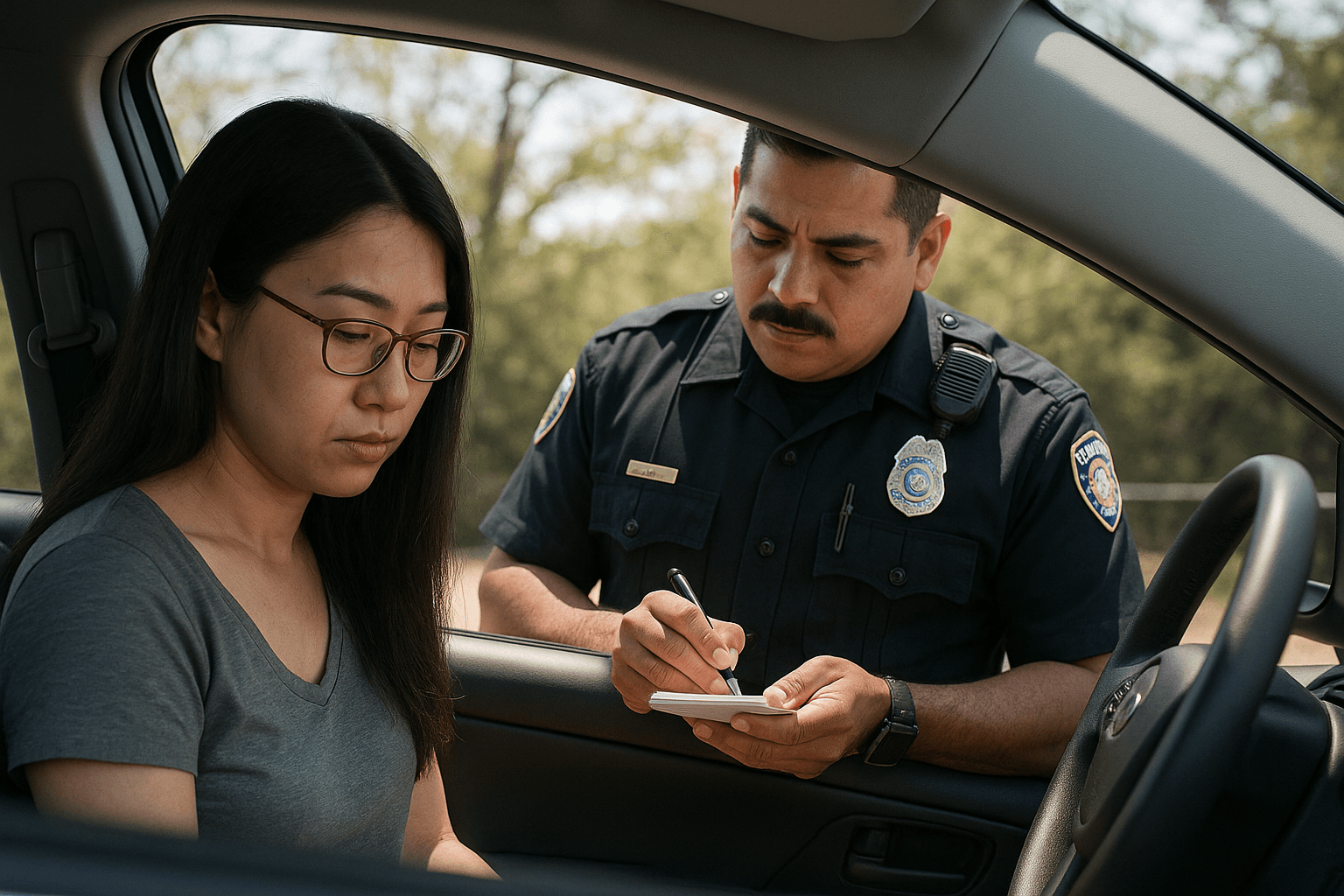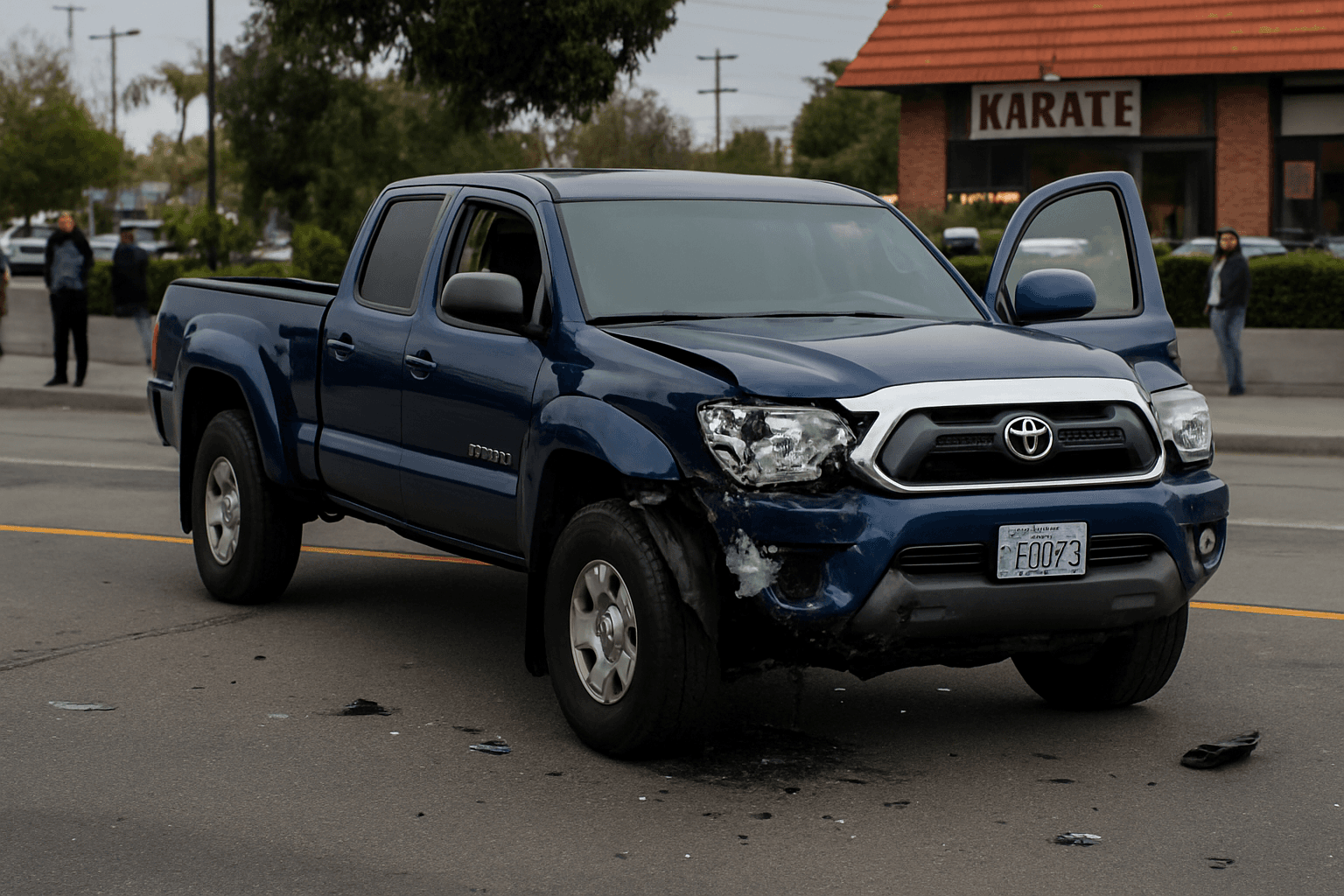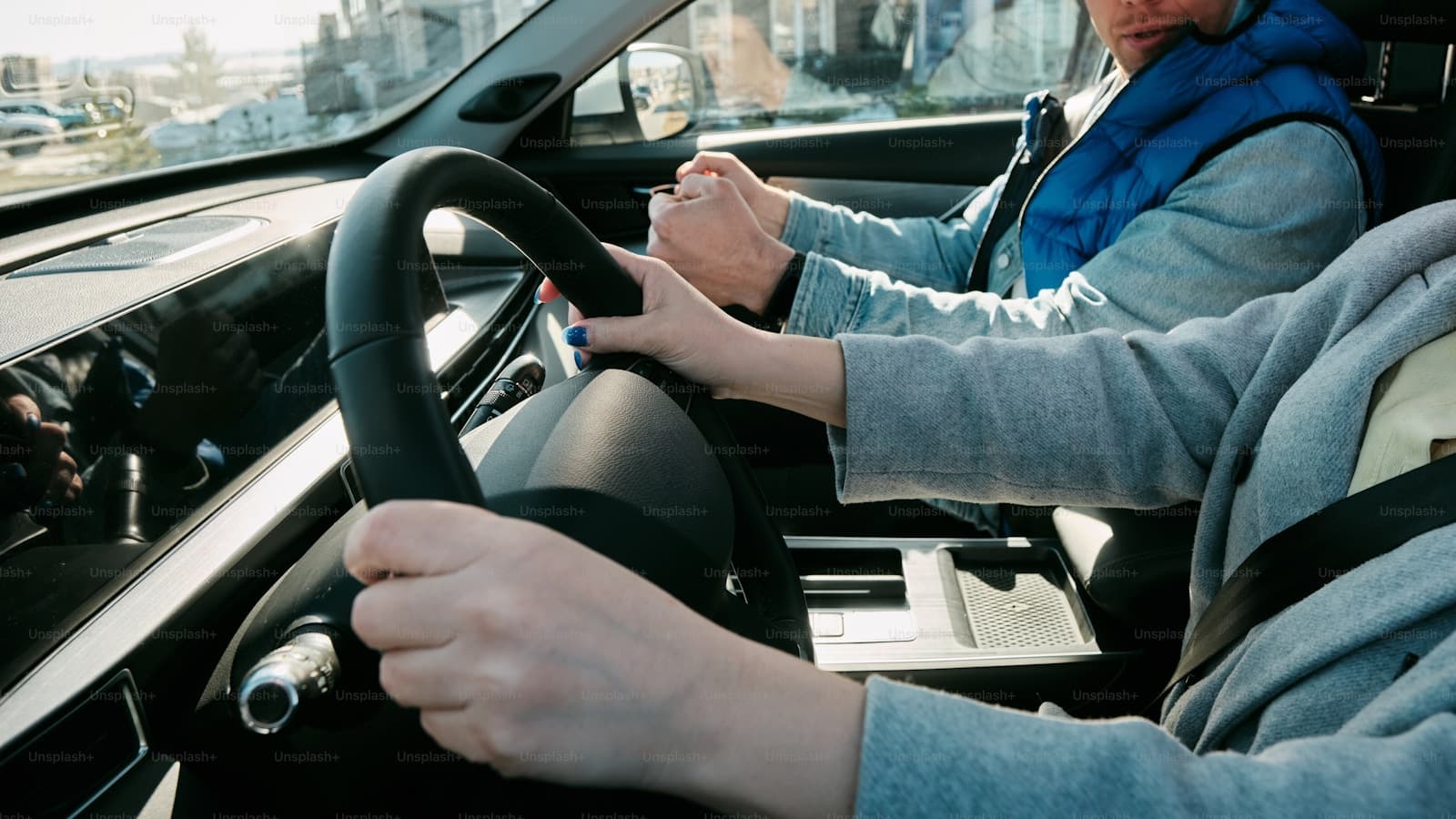
Your teen just got their license and had a minor accident within months. You're staring at a premium quote that's doubled or tripled your family policy. Here's how to stack every available discount and coverage adjustment to bring that number back down.
How Much Does Adding a Teen Driver With One Accident Cost in California?
Adding a 16- to 19-year-old driver to a California parent policy typically increases the annual premium by $2,200 to $4,500 depending on the carrier, vehicle, and coverage level. A single at-fault accident on that teen's record adds another $800 to $1,600 annually on top of the base teen surcharge. Your family premium can easily reach $5,000 to $7,000 per year if the teen drives a newer vehicle with full coverage.
The accident surcharge typically lasts three years from the incident date. Most California carriers apply a 20% to 40% increase for a first at-fault accident. That percentage compounds with the teen driver surcharge, which is why the combined impact feels exponential. The carrier doesn't add the surcharges sequentially — they calculate the teen rate, then apply the accident multiplier to that already-elevated base.
California does not legally mandate carriers to offer accident forgiveness for first incidents. Some carriers offer it as an optional endorsement on parent policies, but it typically requires several years of prior claim-free history and doesn't apply retroactively to accidents that already occurred. If your teen had the accident after being added to your policy, forgiveness programs won't erase it.
Should You Keep Your Teen on Your Policy or Get Them a Separate One After an Accident?
Keep your teen on your existing policy unless you're willing to accept state minimum liability limits and no collision or comprehensive coverage. A separate teen policy with full coverage in California after an accident typically costs $6,000 to $9,000 annually. The multi-car and multi-policy discounts your teen benefits from on your family policy disappear entirely on a standalone policy, and high-risk teen drivers rarely qualify for competitive standalone rates.
The math shifts if your teen drives an older paid-off vehicle worth under $5,000. Dropping collision and comprehensive coverage on that vehicle while keeping the teen on your liability and uninsured motorist coverage saves $800 to $1,400 annually. You're still covering the legal exposure from the teen's driving, but you're not paying to repair or replace a low-value car out of the carrier's pocket.
California requires 15/30/5 liability minimums, but a parent with assets to protect should not carry minimum limits when adding a teen driver with an accident history. A second at-fault accident with inadequate liability coverage exposes your household assets directly. Raising liability to 100/300/100 costs an additional $150 to $300 annually and is the correct financial decision for most families.
See what adding a teen driver actually costs in your state
Compare quotes from carriers that offer good student discounts — most parents find savings they didn't know were available.
Get Your Free Quote✓ Good Student Discounts✓ No Obligation✓ Licensed Carriers✓ All 50 States
Which California Carriers Offer the Lowest Rates for Teen Drivers With Accidents?
GEICO, State Farm, and Progressive typically offer the most competitive rates for California families adding a teen driver with one accident, but the lowest carrier varies significantly by your zip code, your own driving record, and whether you qualify for stacking multiple discounts. GEICO's telematics program and State Farm's good student discount structure tend to produce the best outcomes when parents actively manage documentation and driving behavior monitoring.
Nationwide and Farmers often price higher for teen drivers with accidents in California, but both offer robust good student discounts that can close the gap if your teen maintains a 3.0 GPA or higher. The discount is not automatic — you must submit a transcript or report card every semester or annually depending on the carrier's verification cycle. Most parents don't know the cycle frequency and assume once is enough.
Wawanesa, a California-focused carrier, occasionally offers lower base rates for families with teens but has stricter underwriting rules for drivers with recent accidents. If your teen's accident involved a moving violation citation in addition to the at-fault claim, Wawanesa may decline to quote or offer coverage only at standard high-risk rates. Always compare at least four carriers with identical coverage limits to identify the actual lowest option for your household's specific profile.
How to Stack Every Available Discount for a Teen Driver With an Accident
The good student discount is the highest-value tool available and reduces teen premiums by 10% to 25% depending on the carrier. Your teen must maintain a 3.0 GPA or equivalent, and you must submit official documentation — a report card, transcript, or honor roll letter — on the carrier's required schedule. GEICO and Progressive require resubmission every six months. State Farm requires annual verification. If you miss a verification window, the discount drops off mid-policy without notification, and you won't recover it until the next eligibility cycle.
Driver training or defensive driving course completion reduces rates by another 5% to 15% at most California carriers. The course must be state-approved, and you must submit the certificate of completion to your carrier within 30 days of finishing. Some carriers require the course to be completed before the teen's license is issued. Others accept completion within the first policy year. Confirm your carrier's specific timing rule before enrolling.
Telematics programs like Progressive Snapshot, State Farm Drive Safe & Save, and Allstate Drivewise can reduce teen rates by 10% to 30% if the teen demonstrates consistent safe driving behavior. The program monitors hard braking, rapid acceleration, nighttime driving, and mileage. A teen with one accident already on record benefits significantly from proving improved driving habits through real monitored data. Enrollment is voluntary but typically free, and the potential savings justify the privacy trade-off for most families managing post-accident rate increases.
What Coverage Do You Actually Need for a Teen Driver With an Accident?
Liability coverage should be set at 100/300/100 minimums for any household with assets to protect. A teen driver with one at-fault accident already on record is statistically more likely to be involved in a second incident within three years. Carrying California's 15/30/5 minimums exposes your home equity, retirement accounts, and other assets to direct claims if your teen causes an accident that exceeds those limits.
Collision and comprehensive coverage make sense if the teen drives a vehicle worth more than $7,000 or if the vehicle is financed or leased. Lenders require both coverages. If you own the vehicle outright and its value is under $5,000, dropping collision and comprehensive saves $800 to $1,400 annually. The carrier will not pay more than the actual cash value of the vehicle minus your deductible, so insuring a $4,000 car with a $1,000 deductible collision policy yields a maximum $3,000 payout — often not worth the premium cost when the teen's rate is already elevated.
Uninsured and underinsured motorist coverage is non-negotiable in California, where the uninsured driver rate is approximately 16%. Your teen is more likely to be involved in an accident than an experienced driver, and the odds that the other party lacks adequate insurance are high. UM/UIM coverage costs $100 to $250 annually and protects your family from out-of-pocket medical and vehicle repair costs when the at-fault driver cannot pay.
How California's Graduated Licensing Laws Affect Your Teen's Premium
California requires teen drivers under 18 to hold a learner's permit for at least six months and complete 50 hours of supervised driving, including 10 hours at night, before obtaining a provisional license. During the provisional period, teens cannot drive between 11 p.m. and 5 a.m. or transport passengers under 20 unless accompanied by a licensed driver over 25. Violating these restrictions can void coverage during an accident if the carrier determines the teen was operating outside permitted use.
Most California carriers do not reduce rates during the provisional license period despite the nighttime and passenger restrictions. The premium is calculated based on the teen being a listed driver with access to the vehicle, not on restricted driving privileges. Some parents assume the restrictions lower the rate automatically — they do not. The rate reduction begins at age 18 when the provisional restrictions lift, and it continues to decrease annually through age 25 as the driver gains experience without additional incidents.
If your teen's accident occurred during the learner's permit stage while you were supervising, some carriers attribute the accident to the supervising parent's record rather than the teen's. This varies by carrier and how the claim was filed. Confirm with your carrier whether the accident appears on your record, your teen's record, or both. If it's on your record only, removing the teen from the policy after they turn 18 and move out may eliminate the surcharge faster than waiting for the three-year accident window to close on the teen's individual record.
When Does the Accident Surcharge Drop Off?
California carriers typically surcharge at-fault accidents for three years from the incident date, not the claim closure date or the policy renewal date. If your teen had an accident on March 10, 2024, the surcharge remains in effect until March 10, 2027, regardless of how many times your policy renews during that window. Some carriers reduce the surcharge percentage after the first year if no additional incidents occur, but the accident remains a rated factor for the full three-year period.
The accident appears on your teen's motor vehicle record and on the Comprehensive Loss Underwriting Exchange (CLUE) report for up to five years, but most carriers stop actively surcharging it after three. When you shop for new coverage after the three-year mark, confirm with each quoted carrier that they are not still rating the accident. Some carriers continue to apply a minor surcharge between years three and five for drivers under 21.
Switching carriers before the three-year window closes does not erase the surcharge. The new carrier will pull your teen's CLUE report and driving record during underwriting and apply their own accident surcharge formula. In some cases, a new carrier's base rate plus their accident surcharge is still lower than your current carrier's post-accident renewal rate, so shopping annually remains worthwhile even when the accident is still being rated.