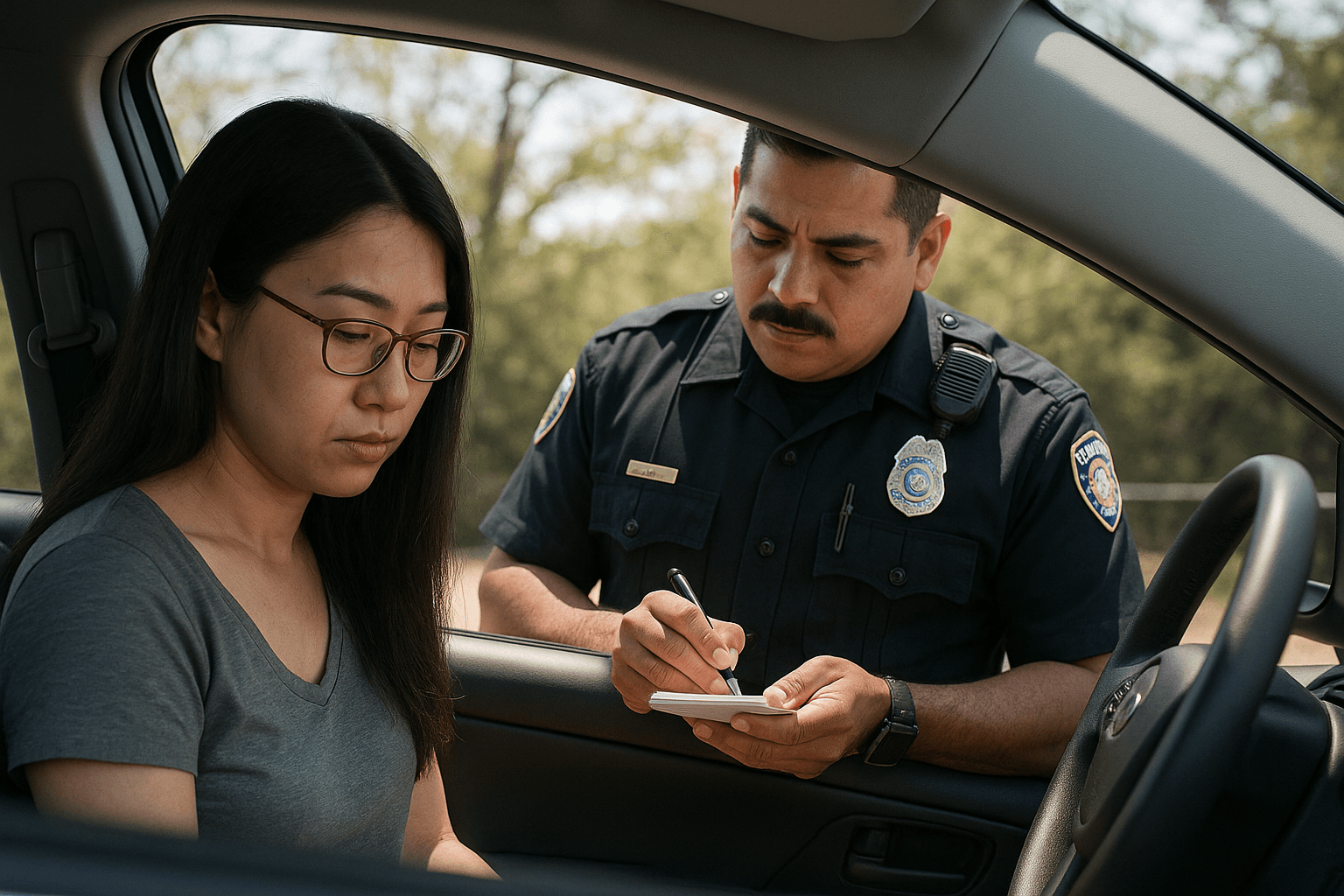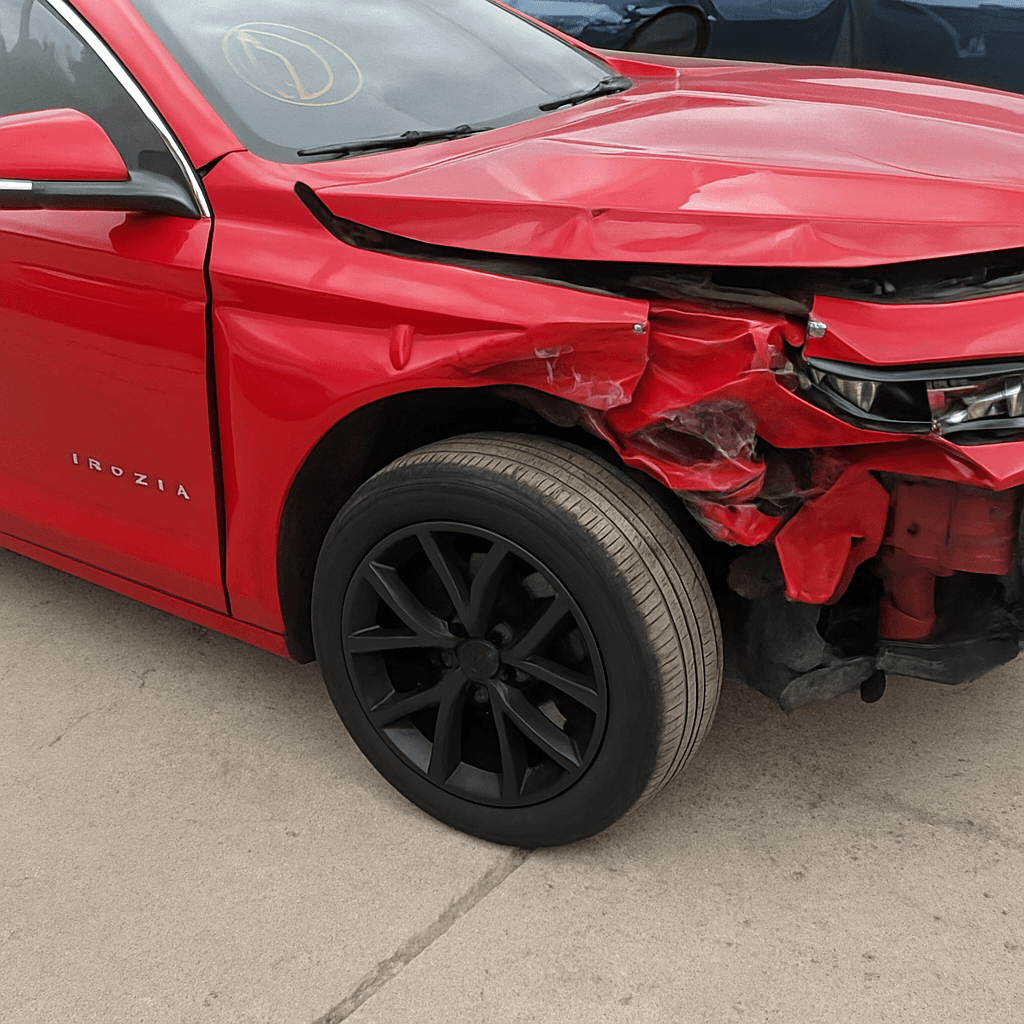
Your quote jumped $4,000/year after adding your teen who already had an accident. Here's how New York parents cut that increase by stacking carrier-specific programs most agents never mention.
Why New York Teen Rates Spike Harder After an Accident
Adding a 16-year-old driver to a New York policy typically increases annual premiums by $2,800–$4,500 depending on coverage level and vehicle. If that teen already has an at-fault accident on record before being added, expect the increase to jump to $4,500–$7,000 annually. New York is a no-fault state, but at-fault accidents still trigger surcharges that last three years from the accident date.
The accident surcharge multiplier for teen drivers runs 40–65% higher than the base teen rate at most carriers writing in New York. That's because insurers stack the inexperience risk premium on top of the demonstrated-loss premium. State Farm, GEICO, Progressive, and Allstate all apply separate multipliers rather than a single blended rate.
Parents shopping after the accident often assume they're locked into these rates until the accident falls off. They're not. The carriers with the steepest accident surcharges frequently offer the deepest discount stacks, and most parents never activate all the programs they're eligible for.
The Add-to-Parent vs Separate Policy Decision With an Accident
A separate policy for a teen driver with an accident in New York typically costs $6,500–$9,500 annually for state minimum liability. Adding that same teen to a parent's existing policy with full coverage on multiple vehicles costs $4,500–$7,000 in additional premium. The parent policy wins on price in nearly every scenario because the teen benefits from the multi-car discount, homeowner discount, and loyalty tenure the parent has already built.
The exception appears when the parent carries a high-value policy with accident forgiveness or vanishing deductible features that reset or reprice after adding a high-risk driver. GEICO and Liberty Mutual both recalculate accident forgiveness eligibility when a driver with a recent at-fault claim joins the policy. If the parent is within 12 months of qualifying for accident forgiveness, some agents recommend delaying the teen addition until after that benefit locks in.
Most parents don't have that luxury. The teen needs coverage now. The correct move is to add the teen to the parent policy and immediately enroll in every discount program the carrier offers, starting with the two most parents miss.
See what adding a teen driver actually costs in your state
Compare quotes from carriers that offer good student discounts — most parents find savings they didn't know were available.
Get Your Free Quote✓ Good Student Discounts✓ No Obligation✓ Licensed Carriers✓ All 50 States
Good Student Discount: Verification Happens Once, Then Never Again
New York does not mandate the good student discount. It's carrier-discretionary. Every major carrier writing in the state offers it: typically 8–15% off the teen driver portion of the premium for maintaining a B average or 3.0 GPA. GEICO, Progressive, State Farm, and Allstate all offer versions between 10–15%. Travelers and Nationwide offer 5–10%.
Here's what most parents don't know: carriers require transcript or report card proof at enrollment, then almost never ask for it again. Progressive requests renewal documentation every 12 months in their underwriting guidelines but doesn't automatically remove the discount if you don't submit it. State Farm and GEICO request proof at enrollment and at age milestones (typically 18 and 21) but not at annual renewal. If your teen's GPA drops sophomore year, the discount typically stays in place unless you voluntarily report the change or the carrier audits the policy during a claim.
This creates a strategy window. If your teen had a 3.2 GPA at enrollment but dropped to 2.7 after the accident, you're not required to report that change mid-policy at most carriers. The discount stays active until the next verification trigger, which might be 12–36 months away depending on the carrier. That's not fraud. It's understanding the verification schedule the carrier uses and knowing you're not obligated to voluntarily report changes that aren't specifically requested.
Telematics Programs That Score the Parent, Not the Teen
Progressive Snapshot, State Farm Drive Safe & Save, Allstate Drivewise, GEICO DriveEasy, and Nationwide SmartRide all offer usage-based programs that reduce premiums based on monitored driving behavior. Discounts run 5–30% depending on the program and the score. For a teen driver adding $5,000 to the annual premium, a 20% telematics discount saves $1,000/year.
The advantage for parents: telematics programs score the vehicle, not the driver. If your teen is listed on your 2015 Honda Accord but you drive that car 80% of the time and your teen drives it only on weekends, the telematics app monitors your driving behavior and applies that score to the vehicle. Your safe driving reduces the teen's surcharge.
This only works if the teen is listed as an occasional driver on a vehicle the parent drives primarily. If the teen is listed as the primary driver, the app assumes the monitored trips are mostly the teen's and the score will reflect teen driving patterns (harder braking, faster acceleration, more late-night trips). The strategy: list your teen as the primary driver on the older paid-off vehicle with liability-only coverage that costs the least to insure, and list them as an occasional driver on the newer vehicle you drive daily that's enrolled in the telematics program. The app scores your trips, the discount applies to the whole policy, and the teen's accident surcharge gets reduced by your driving behavior.
Progressive and GEICO allow you to specify primary and occasional drivers during enrollment. State Farm does not require you to designate primary versus occasional unless asked directly. If you're not asked, you're not required to specify.
Which Carriers Underwrite Teen Accidents Most Favorably in New York
GEICO and Progressive apply the steepest accident surcharges for teen drivers in New York (50–65% above base teen rate) but also offer the largest discount stacks when you combine good student, telematics, multi-car, and paperless billing. Parents who activate all four programs report net increases of $3,200–$4,200/year after adding a teen with one accident, compared to $5,500–$6,800 at State Farm and Allstate with fewer discount programs active.
State Farm treats the accident more leniently in the base rate (35–45% surcharge instead of 50–65%) but offers smaller telematics discounts (up to 15% vs Progressive's 30%) and has no paperless discount. For parents who don't want to use a telematics app, State Farm often wins. For parents willing to install the app and stack discounts, GEICO and Progressive come out cheaper after 6–12 months.
Travelers and Nationwide sit in the middle. Both offer good student and telematics programs but apply accident surcharges in the 40–55% range. Liberty Mutual offers accident forgiveness for the first accident after three years of continuous coverage, but that benefit doesn't apply to a teen's accident that occurred before joining the parent policy. The forgiveness clock starts after the teen is added, meaning the first accident that gets forgiven is the next one, not the one already on record.
The cheapest carrier depends on which discount programs you're willing to activate and whether you can restructure vehicle assignments to maximize telematics scoring. Most parents get quoted by one or two carriers, see the $5,000+ increase, and stop shopping. The parents who cut that increase by $1,500–$2,500 get quotes from five carriers and ask each one specifically about good student verification schedules and telematics scoring by vehicle.
Coverage Level Decisions: What a Teen With an Accident Actually Needs
New York requires 25/50/10 liability minimums: $25,000 per person for bodily injury, $50,000 per accident, and $10,000 for property damage. Those limits are dangerously low for any driver, and especially inadequate for a teen with an accident already on record. If your teen causes a second accident and injuries exceed $25,000 per person, you're personally liable for the difference. That risk is unacceptable for any parent with assets to protect.
Recommended minimum for a teen driver in New York: 100/300/100 liability ($100,000 per person, $300,000 per accident, $100,000 property damage). Adding uninsured motorist coverage at the same limits costs $8–$15/month and covers your teen if they're hit by an uninsured driver. Given that 6–8% of New York drivers are uninsured according to Insurance Information Institute data, that coverage is worth carrying.
Collision and comprehensive depend on the vehicle. If your teen drives a 2010 sedan worth $4,000, paying $1,200/year for collision coverage with a $500 deductible makes no sense. You'd recover $3,500 maximum after a total loss, and after two years of premiums you've paid most of the car's value in coverage costs. Drop collision and comprehensive on older vehicles worth under $5,000. Keep liability high.
If your teen drives a newer financed vehicle, collision and comprehensive are required by the lender and non-negotiable. Raise the deductible to $1,000 if the parent can cover that out of pocket after an accident. Increasing the deductible from $500 to $1,000 typically saves $150–$300/year, and over a three-year policy that's $450–$900 in savings.
When the Accident Falls Off and What Happens to Your Rate
At-fault accidents remain on your teen's record for three years from the accident date in New York. After 36 months, the surcharge disappears and the premium drops. For a teen driver, that typically means a $1,200–$2,000 annual decrease once the accident ages out, assuming no new violations or claims.
The timing matters. If the accident occurred in March 2023, it falls off in March 2026. But your policy renews every 6 or 12 months depending on the carrier. If your renewal date is January 2026, the accident is still on record at renewal and you'll pay the surcharged rate for another policy term. You won't see the decrease until the renewal after March 2026.
Some carriers let you request a re-rate mid-policy once the accident falls off. GEICO and Progressive both allow this if you call and request it. State Farm and Allstate typically do not re-rate until the next renewal date. If your teen's accident is about to age out and your renewal is six months away, call your carrier and ask if they'll re-rate the policy early once the three-year mark hits. Worst case they say no. Best case you save $600–$1,000 by not waiting for renewal.
Once the accident falls off, your teen is still rated as a young driver until age 25, but without the accident surcharge the rate becomes manageable. That's also the moment to re-shop. Carriers that were $1,500/year more expensive with the accident on record might now be $400/year cheaper without it.