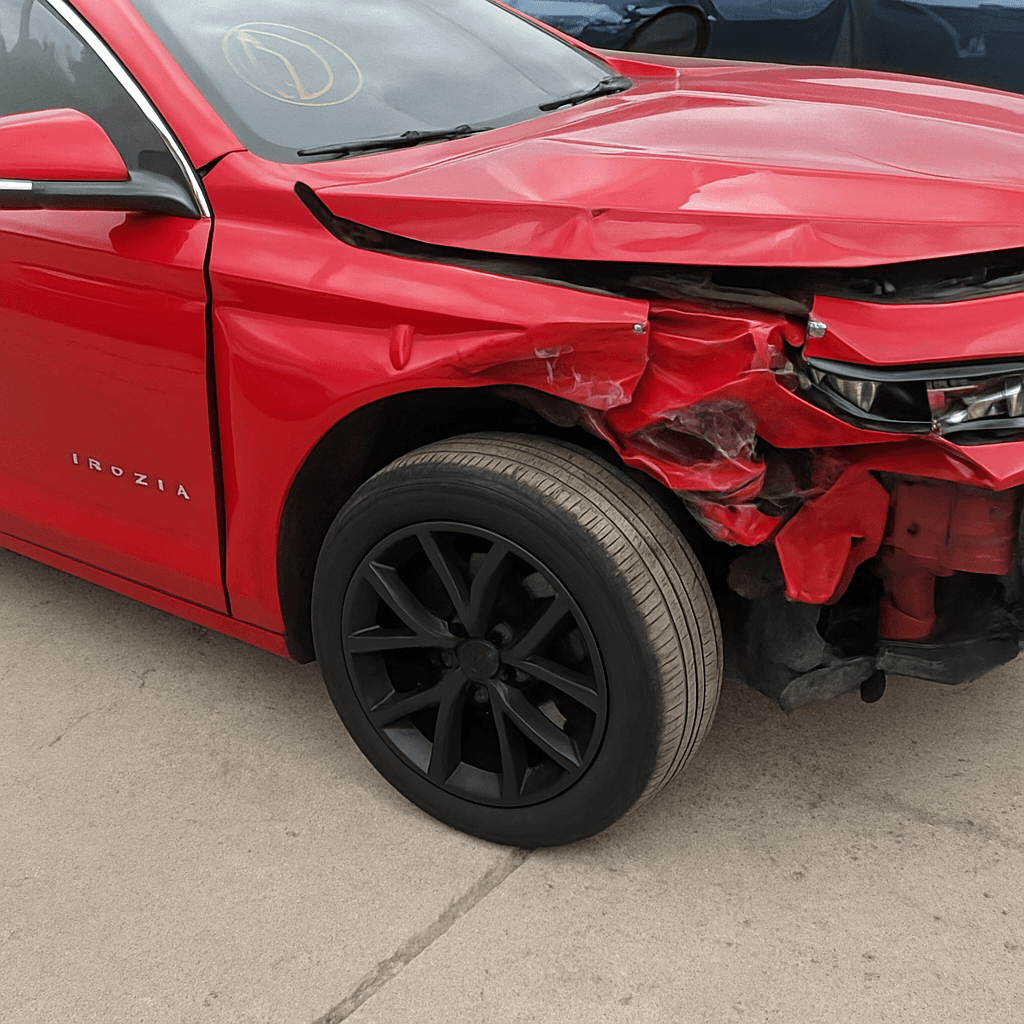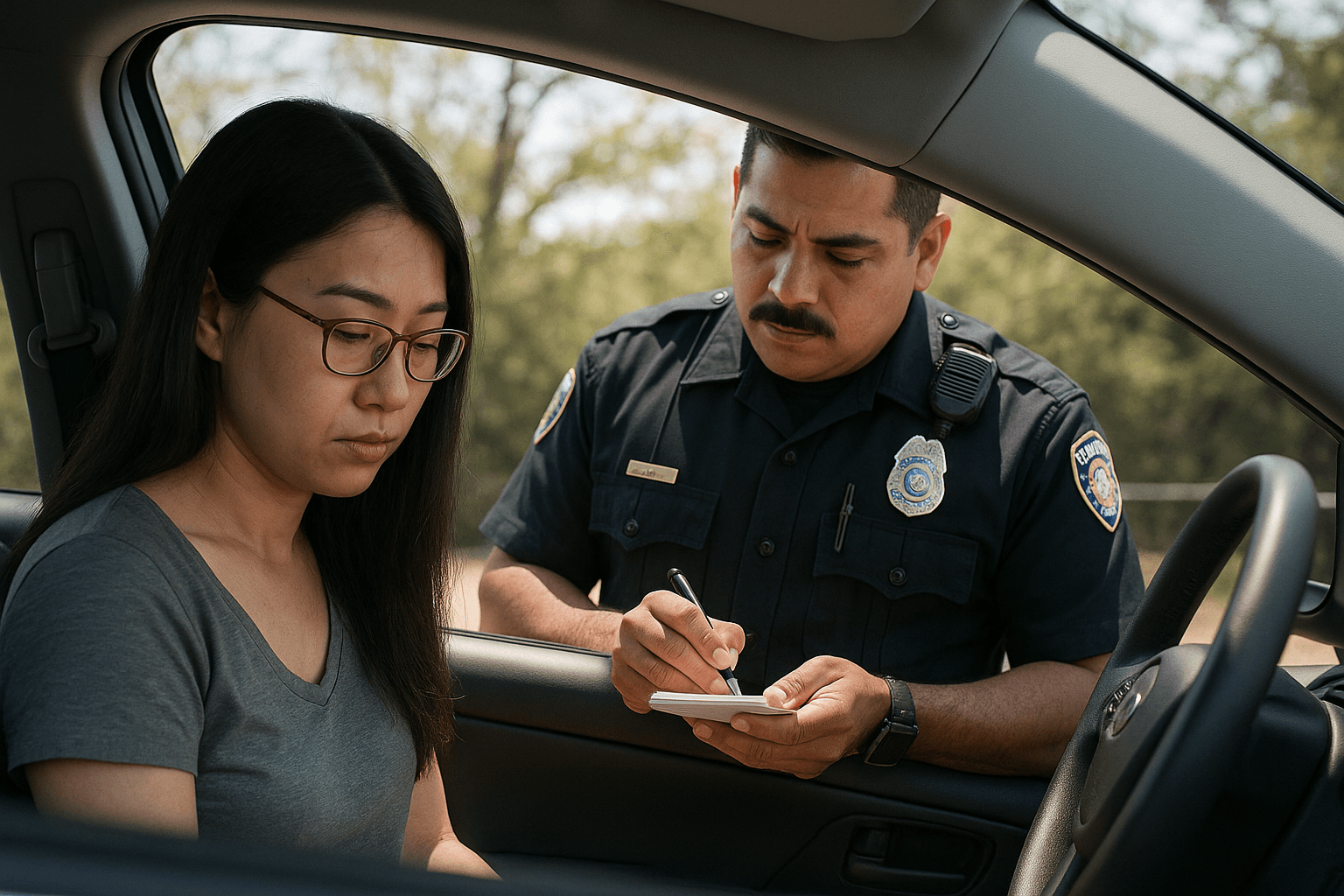
You just got the quote to add your high-GPA teen to your Pennsylvania policy and the premium jumped $2,400 a year. Here's how to cut that increase by stacking the good student discount with programs most parents miss.
Why Pennsylvania Teen Driver Rates Jump $1,800-$3,200 Annually
Adding a 16-year-old driver to a parent policy in Pennsylvania typically increases the annual premium by $1,800 to $3,200 depending on the vehicle, coverage level, and county. That translates to $150-$265 more per month. The increase reflects crash data: drivers under 20 account for nearly 15% of Pennsylvania crashes despite representing less than 6% of licensed drivers, according to PennDOT collision reports.
The surcharge applies whether your teen drives regularly or occasionally. Pennsylvania operates under named-driver rules: any licensed household member with regular access to a vehicle must be listed on the policy. Omitting a teen driver voids coverage if they're involved in an accident, even if the parent was unaware they took the car.
The good news: Pennsylvania law does not mandate specific teen driver surcharges, so rates vary significantly by carrier. The better news: most carriers writing in Pennsylvania offer good student discounts ranging from 8% to 25% off the teen portion of the premium, and those discounts stack with telematics programs that can reduce rates another 10-30% in the first policy year.
Which Pennsylvania Carriers Offer the Largest Good Student Discounts
State Farm, GEICO, Progressive, Allstate, Nationwide, and Erie all write auto policies in Pennsylvania and all offer good student discounts for teens maintaining a B average or 3.0 GPA. Discount amounts vary by carrier: State Farm and Nationwide typically offer 15-25% off the teen driver portion, while GEICO and Progressive range 8-15%. Erie, a regional carrier with significant Pennsylvania market share, offers a good student discount but does not publish the exact percentage.
The catch: every carrier requires documentation. Most accept report cards, transcripts, or honor roll certificates. Some accept standardized test scores above a threshold. The documentation requirement repeats: carriers typically require proof every six months or annually, and if parents don't submit renewal documentation the discount disappears mid-policy without notification. You'll see the rate increase on the next billing statement, often months after the discount lapsed.
Parents shopping for the lowest teen rate should request quotes from at least three carriers and ask two questions: what is the exact good student discount percentage for a teen with a 3.5 GPA, and how often does documentation need to be resubmitted? The answer to the second question matters as much as the first.
See what adding a teen driver actually costs in your state
Compare quotes from carriers that offer good student discounts — most parents find savings they didn't know were available.
Get Your Free Quote✓ Good Student Discounts✓ No Obligation✓ Licensed Carriers✓ All 50 States
Stacking Telematics Programs With Good Student Discounts in Pennsylvania
Telematics programs monitor driving behavior through a smartphone app or plug-in device and adjust rates based on measured factors: hard braking, rapid acceleration, nighttime driving, phone use while driving, and total miles driven. Progressive Snapshot, State Farm Drive Safe & Save, Allstate Drivewise, Nationwide SmartRide, and GEICO DriveEasy all operate in Pennsylvania.
For teen drivers, telematics programs offer two advantages: they stack with good student discounts (you can claim both simultaneously), and they provide objective proof of safe driving that reduces the age-based surcharge faster than time alone. A 17-year-old demonstrating consistently safe driving through a telematics program can see discounts of 10-30% in the first six months, compounding with the 8-25% good student discount.
The risk: poor driving scores can increase rates or eliminate telematics discounts entirely. Hard braking events, late-night trips, and phone handling all register negatively. Parents should frame telematics enrollment as optional, explain how scoring works, and let the teen decide whether they're comfortable with monitoring. A teen who drives cautiously benefits significantly. A teen who drives aggressively may cost the family more than the baseline surcharge.
Pennsylvania Graduated Licensing Rules and How They Affect Coverage Timing
Pennsylvania's graduated driver licensing program requires three stages: learner's permit (minimum age 16, held for at least 6 months with 65 hours of supervised driving including 10 hours at night), junior license (issued after passing the road test, with restrictions on nighttime driving from 11pm-5am and passenger limits for the first six months), and unrestricted license (available at age 18 or after one year of junior license with no violations).
Most carriers require parents to add a teen to the policy as soon as the learner's permit is issued, not when the junior license is granted. The surcharge typically begins immediately, though some carriers offer a reduced permit-holder rate that increases when the junior license is issued. Failing to notify the carrier when a household member receives a learner's permit can void coverage if the permit-holder is involved in an accident during a supervised drive.
Once the junior license is issued, the nighttime and passenger restrictions reduce claim frequency slightly, but carriers do not offer discounts tied to GDL stage. The full teen surcharge applies whether the teen holds a junior license with restrictions or an unrestricted license. The restriction period does, however, create a natural window for parents to demonstrate safe driving behavior through telematics before the restrictions lift.
Add to Parent Policy vs Separate Teen Policy in Pennsylvania
Adding a teen to a parent's existing policy costs significantly less than purchasing a separate policy for the teen in nearly every scenario. Multi-car and multi-driver discounts reduce the per-vehicle cost, and the parent's clean driving record partially offsets the teen surcharge. A separate policy for a 16-year-old driver in Pennsylvania typically costs $4,000-$7,200 annually for state minimum liability coverage, compared to the $1,800-$3,200 increase when added to a parent policy with full coverage.
The rare exception: a parent with recent violations or accidents may face surcharges high enough that the teen's addition compounds the penalty. In cases where the parent holds a high-risk policy or non-standard coverage due to DUI, suspended license, or multiple at-fault accidents, a separate teen policy through a standard carrier may cost less. This scenario is uncommon but worth evaluating if the parent's current premium already exceeds $2,400 annually for a single vehicle.
Parents should also evaluate vehicle assignment. Listing the teen as the primary driver of an older, paid-off sedan with lower liability limits reduces the surcharge compared to listing them as an occasional driver of a newer financed SUV requiring comprehensive and collision coverage. Most carriers allow flexible vehicle assignment within a household policy.
Pennsylvania Driver Training Discount and How to Claim It
Pennsylvania does not mandate a driver training discount, but most major carriers writing in the state offer one. State Farm, GEICO, Progressive, Allstate, Nationwide, and Erie all provide discounts ranging from 5% to 15% for teens who complete an approved driver education course. The course must include both classroom instruction and behind-the-wheel training, and it must be completed before the teen receives their junior license.
PennDOT does not certify or approve specific driver training programs, so carriers rely on course completion certificates from accredited providers. Parents should confirm with their carrier before enrolling the teen: ask whether the specific program qualifies for the discount, what documentation is required, and whether the discount applies for one year or persists until the teen turns 21 or 25 (carrier-dependent).
The driver training discount stacks with the good student discount and telematics programs. A teen completing driver training, maintaining a 3.0 GPA, and enrolling in a telematics program can reduce the baseline surcharge by 25-50% in the first policy year, cutting the $1,800-$3,200 increase to $900-$1,600.
How Vehicle Choice Affects Pennsylvania Teen Driver Premiums
The vehicle a teen drives determines a substantial portion of the premium increase. Listing a teen as the primary driver of a 2008 Honda Civic with state minimum liability costs far less than listing them as the primary driver of a 2022 Jeep Wrangler requiring full coverage with a $500 deductible. Collision and comprehensive premiums for high-value vehicles add $800-$1,500 annually on top of the teen surcharge.
Parents with multiple vehicles should assign the teen to the lowest-value, safest vehicle in the household. Older sedans with high safety ratings, low theft rates, and inexpensive parts cost the least to insure. Avoid assigning teens to trucks, sports cars, luxury vehicles, or SUVs with high rollover rates. Carriers calculate rates based on the vehicle's claim history, repair costs, and theft frequency, and those factors compound with the teen driver surcharge.
If the teen drives a paid-off vehicle worth less than $5,000, dropping collision and comprehensive coverage and carrying only liability eliminates $600-$1,200 in annual premium. Pennsylvania requires only liability coverage: $15,000 per person/$30,000 per accident for bodily injury and $5,000 for property damage. Parents with assets to protect should carry higher limits, but collision and comprehensive are optional when the vehicle's value is low.