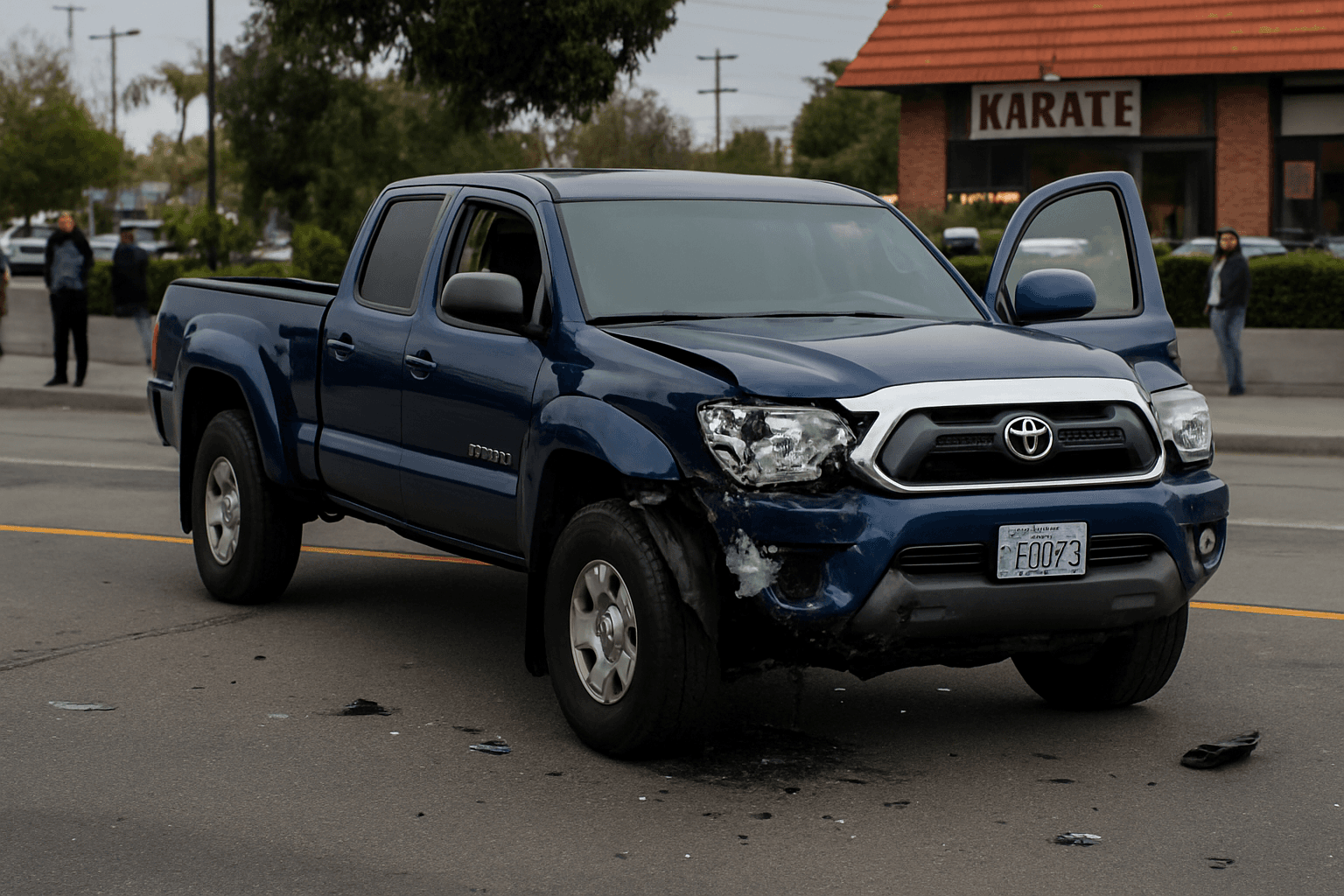
Adding your 16-year-old to your Texas auto policy typically increases your annual premium by $2,400–$4,200. Stacking the good student discount, defensive driving credit, and a telematics program can cut that increase by 30–45%.
How Much Does Adding a Teen Driver Cost in Texas?
Adding a 16-year-old driver to a parent's Texas auto policy increases the annual premium by $2,400–$4,200 on average, depending on your current carrier, coverage limits, and the vehicle your teen will drive. That translates to $200–$350 added to your monthly bill. The surcharge peaks during the first year of licensure and gradually decreases as your teen ages and accumulates a clean driving record.
Texas rates land in the middle nationally for teen driver surcharges, but the state offers more discount leverage than most. The good student discount is mandated by state law at a minimum 25% reduction and applies retroactively to the date you submit proof. Driver training programs offer another 10–15% off through age 25 for completing an approved course. Telematics programs from most major carriers can reduce the teen surcharge by an additional 15–30% based on demonstrated safe driving behavior.
The add-to-parent-policy decision almost always costs less than a separate teen policy. A standalone policy for a 16-year-old in Texas typically runs $400–$700 per month because the carrier loses multi-vehicle and multi-policy discounts and prices the teen as a sole high-risk driver. Adding the teen to your existing policy preserves those discounts and spreads the risk across your household.
Texas Good Student Discount: Retroactive Application Rule Most Parents Miss
Texas Insurance Code Section 1952.055 requires every carrier writing auto insurance in the state to offer a good student discount of at least 25% for students under age 25 who maintain a B average or GPA of 3.0 or higher. This is not optional. Every carrier must provide it.
The retroactive rule: when you submit proof of your teen's GPA mid-policy, the discount applies back to the date you provided documentation, not forward to your next renewal. If your teen finished the fall semester in December with qualifying grades and you submit the transcript in January, you receive a credit for the discount from January forward. Most parents wait until renewal in June or September and lose months of savings.
Carriers require updated proof every six months to one year. State Farm and Allstate typically request documentation at each policy renewal. GEICO and Progressive often require it every six months if your teen is still in school. If you don't submit updated proof when requested, the discount is removed without notification mid-policy. Set a calendar reminder for the submission window your carrier specifies.
See what adding a teen driver actually costs in your state
Compare quotes from carriers that offer good student discounts — most parents find savings they didn't know were available.
Get Your Free Quote✓ Good Student Discounts✓ No Obligation✓ Licensed Carriers✓ All 50 States
When Does Coverage Need to Start for a Learner's Permit Holder?
Texas requires you to notify your carrier and add your teen to the policy the day they receive a learner's permit, even though they cannot drive alone. Most carriers do not charge the full teen driver surcharge during the permit phase. The surcharge during this period typically runs 30–50% of the full licensed-driver rate because your teen is only driving under your direct supervision.
If your teen is involved in an accident while driving on a learner's permit and you have not added them to the policy, the carrier can deny the claim entirely. Texas does not have an automatic household coverage rule for unlisted drivers under age 18. Notification is not optional.
The permit phase in Texas lasts a minimum of six months for drivers under 18. Your teen must complete at least 30 hours of behind-the-wheel practice with a licensed adult (10 hours at night) before applying for a provisional license. Use this window to complete an approved driver training course, which qualifies your teen for both the immediate discount and potentially reduces the permit hold period.
Add to Your Policy vs Separate Teen Policy: Texas Rate Comparison
A separate policy for a 16-year-old driver in Texas costs $4,800–$8,400 annually ($400–$700 per month) for state minimum liability coverage. Adding that same teen to a parent's existing policy with full coverage increases the household premium by $2,400–$4,200 annually. The separate policy costs nearly double because the teen loses multi-vehicle, multi-policy, and household tenure discounts.
The only scenario where a separate policy makes financial sense: your teen drives a vehicle you own outright (no lien) and you're willing to carry only liability coverage on that vehicle. If the car is worth under $3,000 and you can afford to replace it out of pocket, dropping collision and comprehensive and putting the teen on a bare liability policy can reduce the household cost. You'll still add the teen to your policy as a listed driver, but you'll assign them to the low-value vehicle only.
If your teen will drive a newer or financed vehicle, or if you want collision and comprehensive coverage, adding them to your existing policy is always cheaper. The multi-vehicle discount alone typically saves $600–$1,200 annually compared to splitting policies.
Which Carriers in Texas Offer the Largest Teen Driver Discounts?
State Farm, GEICO, Progressive, and Allstate all write teen driver policies in Texas and offer the state-mandated good student discount at the 25% minimum. Several exceed it. State Farm's good student discount reaches 35% for students with a GPA above 3.5. Progressive's Snapshot telematics program can reduce teen surcharges by up to 30% based on driving behavior, with the largest discounts reserved for limited nighttime driving and smooth braking patterns.
USAA, available to military families, consistently offers the lowest teen driver rates in Texas, often 20–40% below competitors even before discounts. If you're eligible for USAA membership, compare there first. Texas Farm Bureau and Germania also price competitively for multi-vehicle households in suburban and rural areas.
Telematics programs matter more for teen drivers than any other age group because the monitored behavior directly addresses the risk factors carriers price for: hard braking, rapid acceleration, nighttime driving, and total miles driven. Allstate's Drivewise, Nationwide's SmartRide, and Progressive's Snapshot all operate in Texas. Your teen must consent to tracking, but families who use these programs report average first-year savings of $400–$900 on the teen portion of the premium.
What Coverage Levels Make Sense for a Teen Driver in Texas?
Texas requires minimum liability limits of 30/60/25: $30,000 per person for bodily injury, $60,000 per accident, and $25,000 for property damage. These minimums are not adequate for a household with any assets when a teen driver is involved. A single serious accident where your teen is at fault can generate $200,000–$500,000 in medical claims, and minimum limits leave you personally liable for the difference.
For families adding a teen driver, 100/300/100 liability limits are the practical floor. This increases your premium by $15–$30 per month over state minimums but covers the majority of at-fault accident scenarios without exposing your savings or home equity. If your household net worth exceeds $300,000, consider a $1 million umbrella policy, which costs $200–$400 annually and sits above your auto liability limits.
Collision and comprehensive decisions depend on the vehicle your teen drives. If they're driving a car worth under $5,000 that you own outright, dropping collision coverage and keeping only comprehensive (for theft, weather, vandalism) can save $600–$1,200 annually. If the vehicle is financed or worth more than $10,000, keep both. The teen surcharge already assumes higher collision risk — dropping the coverage doesn't reduce that surcharge, it just removes your claim protection.
Texas Graduated Driver License Restrictions and How They Affect Your Rate
Texas issues a provisional license to drivers under 18 who have held a learner's permit for at least six months and completed driver education. The provisional phase restricts driving between midnight and 5 a.m. unless for work, school, or emergency, and limits passengers under 21 to one non-family member for the first 12 months of licensure. These restrictions reduce actuarial risk, but carriers do not offer a specific discount for GDL compliance.
Violating GDL restrictions does affect your premium. If your teen receives a ticket for a passenger violation or curfew violation during the provisional phase, most carriers apply a surcharge of $200–$600 annually for three years. These violations also extend the provisional license period and can delay full licensure until age 18.
The restriction that offers the most discount leverage: limiting nighttime driving. Telematics programs from Progressive, Allstate, and Nationwide all measure the percentage of miles driven between 11 p.m. and 4 a.m. and apply larger discounts when that percentage stays below 5%. Parents who enforce a stricter nighttime driving limit than the GDL requires see measurably lower telematics premiums.