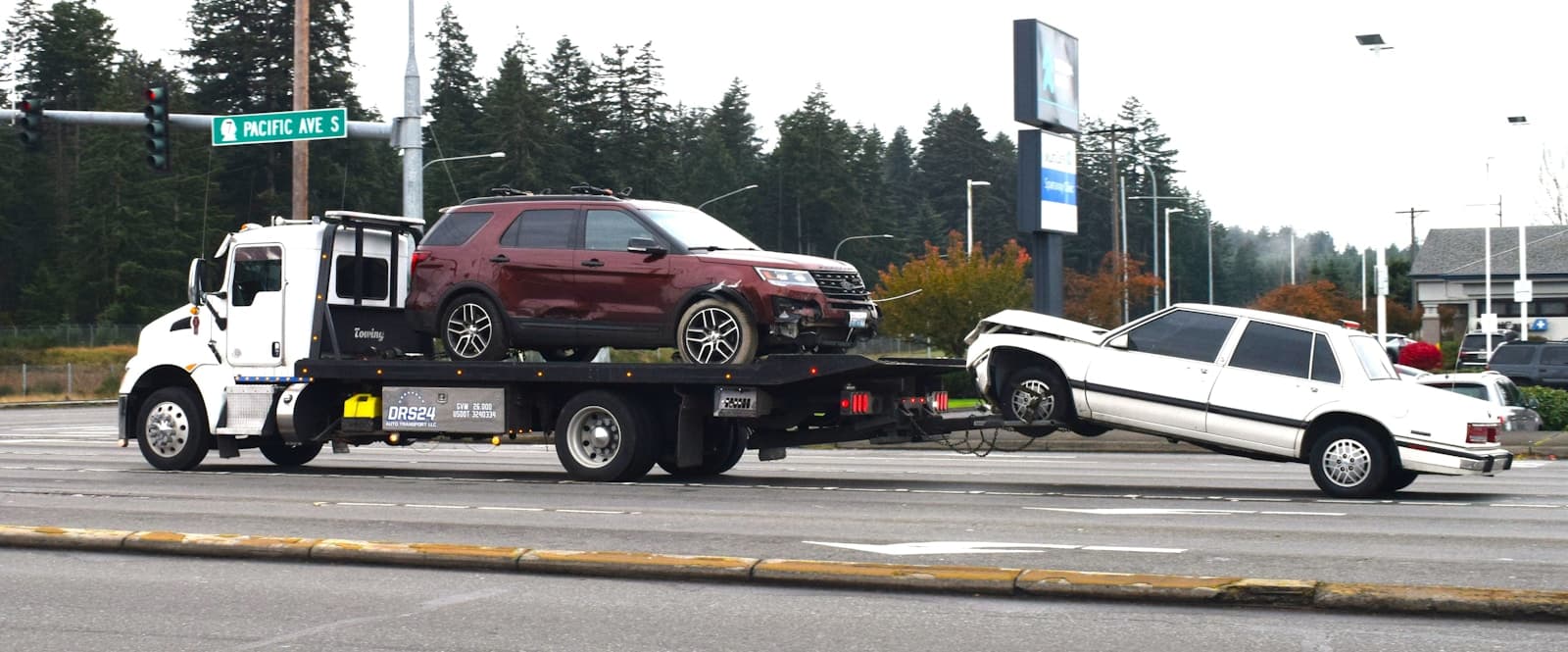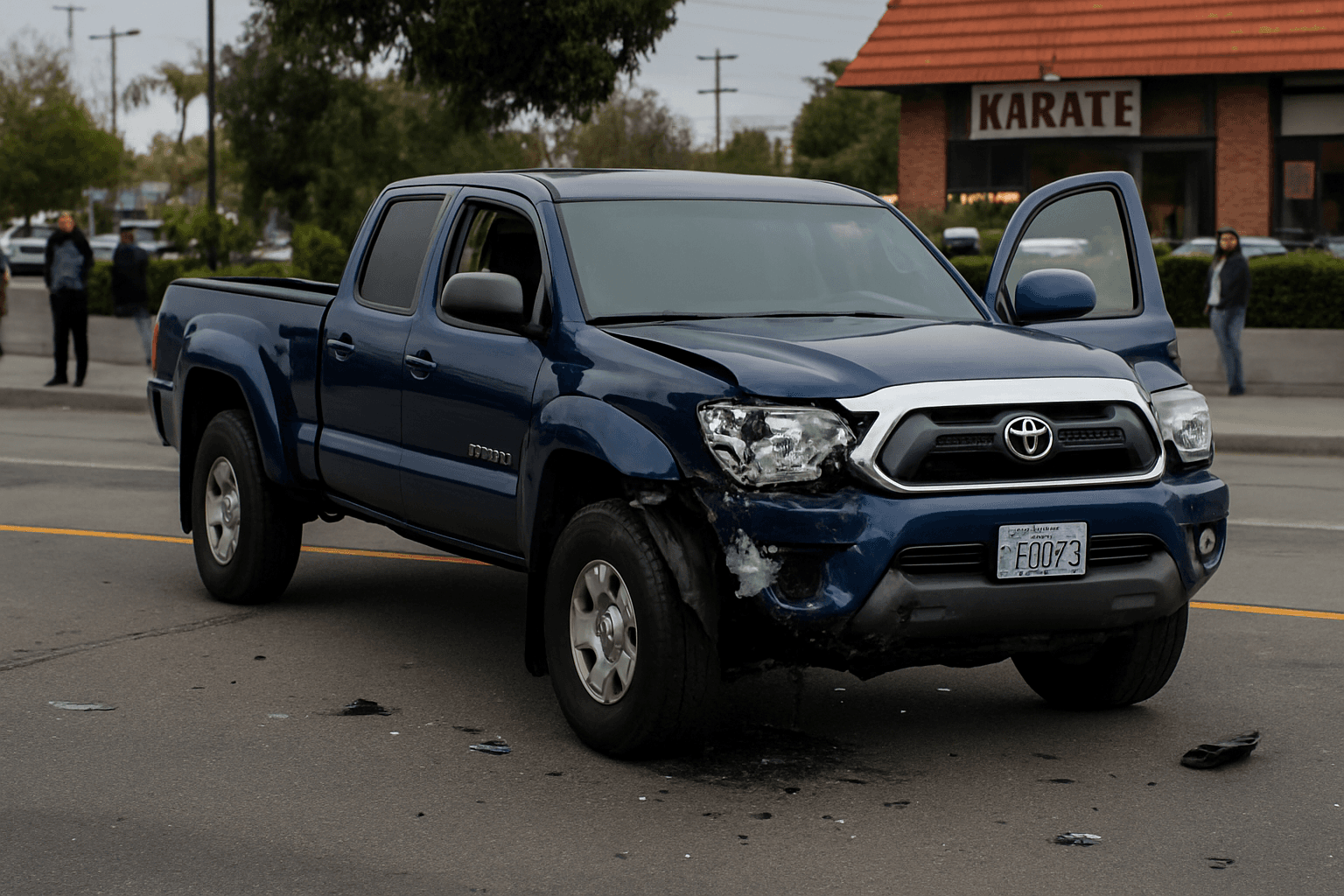
Your teen had an accident and you just saw the new policy quote. Here's how to find affordable coverage when rates are already high and you're adding a driver with a claim on record.
How Much Does Adding a Teen With One Accident Actually Cost in Texas?
Adding a 16-year-old driver to a Texas parent policy typically increases the annual premium by $2,200-$3,800. When that teen has a single at-fault accident on record, expect an additional 20-40% surcharge on top of the teen driver rate increase, pushing total annual costs to $3,000-$5,000 depending on your zip code, vehicle, and current coverage level.
Texas uses a proportional fault system, meaning even minor fender-benders count as chargeable accidents if your teen was deemed more than 50% responsible. That accident stays on the driving record for three years from the date of the incident, not the date you added your teen to the policy.
The combined surcharge hits immediately when you add your teen. Most carriers apply the teen driver base rate first, then layer the accident surcharge on that already-elevated premium. A $150/month parent policy can jump to $400-$500/month the day your teen with an accident gets added.
Should You Add Your Teen to Your Policy or Get Them a Separate Policy?
Add your teen to your existing policy in nearly every case. A standalone teen policy with one accident on record will cost $500-$900/month in Texas, compared to $250-$420/month when added to a parent policy with multi-car and homeowner bundling discounts already in place.
The only exception: if you drive a high-value vehicle and your teen will exclusively drive an older paid-off car you own outright, separating policies lets you carry liability-only on the teen vehicle while maintaining full coverage on yours. Run the math with your current carrier before assuming this saves money—you lose multi-car discounts and most parents find the separate-policy premium still exceeds the add-to-policy cost.
Texas allows teens as young as 16 to hold their own policy, but no major carrier writes standalone policies for drivers under 18 with an accident on record without a parent as co-policyholder. That structure eliminates the separation benefit entirely.
See what adding a teen driver actually costs in your state
Compare quotes from carriers that offer good student discounts — most parents find savings they didn't know were available.
Get Your Free Quote✓ Good Student Discounts✓ No Obligation✓ Licensed Carriers✓ All 50 States
Which Texas Carriers Offer the Lowest Rates for Teen Drivers With Accidents?
State Farm, USAA (military families only), and Texas Farm Bureau consistently quote 15-25% lower than average for teen drivers with one accident when the parent already holds a policy with that carrier and qualifies for good student and telematics discounts. Progressive and Allstate become competitive when you enroll the teen in Snapshot or Drivewise immediately after adding them—both programs can reduce the accident surcharge by 10-20% within the first policy term if the teen demonstrates safe driving behavior.
Geico and Nationwide tend to quote higher for teens with accidents in Texas urban markets (Dallas, Houston, Austin, San Antonio) but may be competitive in rural counties. Always compare at least four carriers. Rate variation for this exact profile can exceed 40% between the highest and lowest quote.
Avoid non-standard or high-risk specialty carriers for a single teen accident unless you've been declined by standard carriers. The rate difference rarely justifies the coverage gaps and claim service issues common in the non-standard market.
What Discounts Can Offset a Teen Driver Accident Surcharge in Texas?
The good student discount (typically 8-15% off the teen portion of the premium for maintaining a 3.0 GPA or better) and a telematics program enrollment (10-30% potential discount based on monitored driving behavior) are the two highest-impact tools available. Stack both and you can offset 20-40% of the combined teen and accident surcharge.
Texas does not mandate the good student discount, so eligibility requirements vary by carrier. Most require report card or transcript submission every six months. State Farm and Allstate accept honor roll letters; Progressive requires official transcripts. If your teen qualifies, submit documentation the day you add them to avoid paying full rate while waiting for verification.
Driver training completion discounts (5-10%) apply in Texas if your teen completed an approved course within the past three years. The state requires driver education for learners under 18, so most Texas teens already qualify. Submit the completion certificate (Form DL-91A) to your carrier when adding your teen—the discount is not applied automatically.
Telematics programs work differently for teen drivers than adults. Progressive Snapshot, State Farm Drive Safe & Save, and Allstate Drivewise all monitor hard braking, rapid acceleration, nighttime driving, and phone handling. A teen demonstrating cautious behavior can see discounts appear within 30-90 days, reducing the accident surcharge faster than waiting three years for it to age off the record.
How Does Vehicle Choice Affect Your Premium With a Teen Driver?
Assigning your teen to the lowest-value vehicle on your policy cuts the collision and comprehensive portion of their premium by 30-50% compared to letting them drive your newest or most expensive car. Carriers rate based on the primary driver of each vehicle, so explicitly designating your teen as the principal operator of an older paid-off sedan keeps costs down.
If your teen drives a vehicle you still owe money on, your lienholder requires collision and comprehensive coverage. That requirement combined with a teen driver and an accident on record creates the highest possible premium scenario. Consider whether paying off the vehicle or trading down to an older car your teen can drive without full coverage saves more than the transaction cost.
Avoid assigning your teen as the primary driver of trucks, SUVs, or sports cars. Carriers apply higher base rates to these vehicle classes for teen drivers, and the accident surcharge multiplies that elevated base. A 2015 Honda Civic will cost 40-60% less to insure for a teen with an accident than a 2015 Ford F-150 with identical coverage limits.
What Coverage Levels Make Sense for a Teen With an At-Fault Accident?
Maintain at least 100/300/100 liability limits ($100,000 per person injury, $300,000 per accident injury, $100,000 property damage) when your teen has already caused one accident. Texas minimums are 30/60/25, but a second at-fault accident with minimum coverage exposes you to personal liability for damages exceeding those caps. The cost difference between minimum and 100/300/100 is typically $20-$40/month—negligible compared to the financial risk of another teen accident with inadequate limits.
Collision and comprehensive deductibles matter more when a teen with an accident record is driving. Raising your collision deductible from $500 to $1,000 cuts that portion of your premium by 15-25%, and the reduced premium often pays for the higher deductible within 12-18 months. If the vehicle is worth less than $5,000, dropping collision entirely makes sense—paying $800/year to insure a $4,000 car your teen already damaged once is poor resource allocation.
Uninsured motorist coverage is critical in Texas, where roughly 14% of drivers carry no insurance. Your teen is statistically more likely to be in a second accident than an experienced driver, and if that accident involves an uninsured driver, UM coverage is your only financial protection. Costs $8-$15/month for 100/300 UM limits.
How Long Does the Accident Surcharge Last and Can You Remove It Faster?
Most Texas carriers apply accident surcharges for three years from the accident date. The surcharge typically starts at 20-40% immediately after the claim closes, decreases to 15-25% at the first renewal after the accident, then phases out completely at the three-year mark. You cannot remove it faster by switching carriers—the accident appears on your teen's motor vehicle record and every carrier will rate for it.
Accident forgiveness programs exist but rarely apply to teen drivers. State Farm, Allstate, and Liberty Mutual offer first-accident forgiveness to drivers who've been claim-free for 3-5 years before the accident. A 16-year-old with one accident doesn't meet that tenure requirement. If you as the parent have accident forgiveness on your policy, it does not extend to your teen's accidents.
The most effective way to reduce the financial impact: enroll your teen in a telematics program immediately and ensure they drive cautiously enough to maximize the monitored discount. A teen who earns a 25% telematics discount within six months offsets most of the accident surcharge without waiting three years for it to expire.