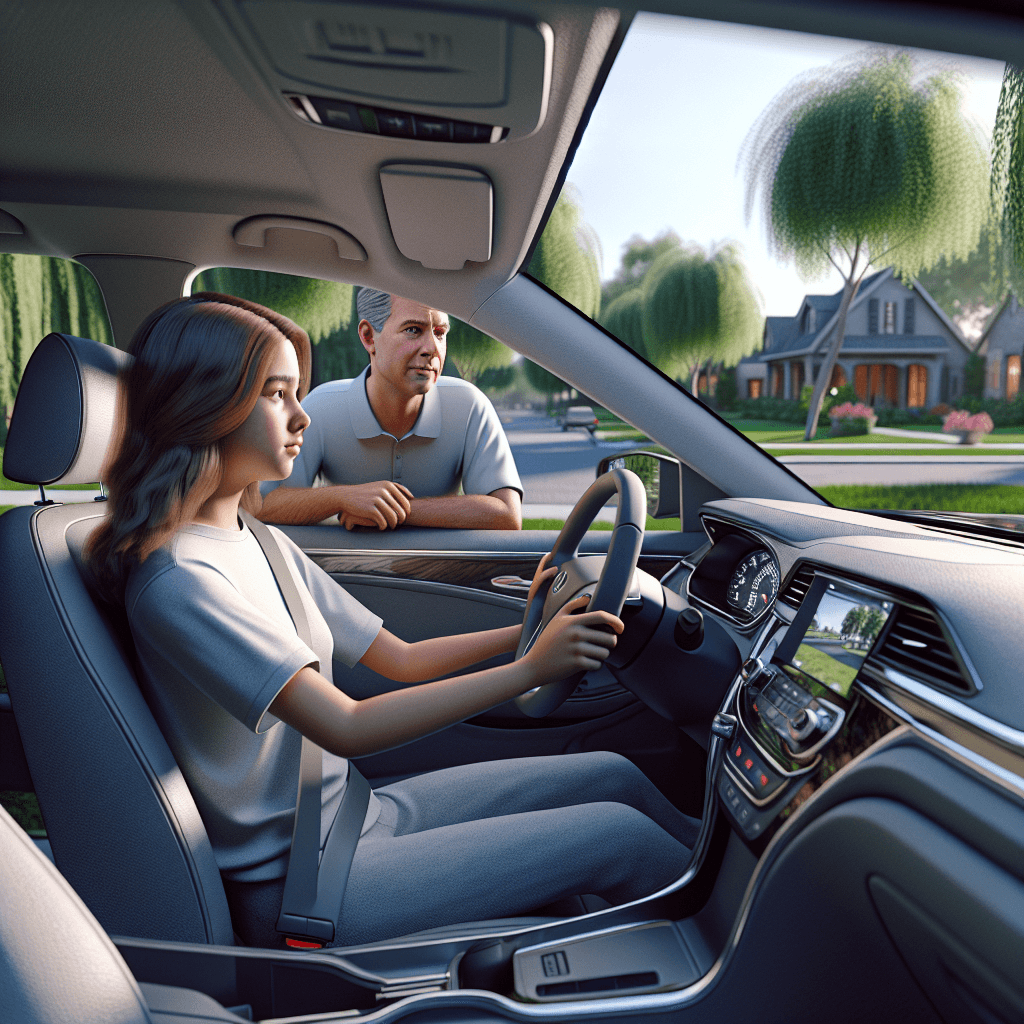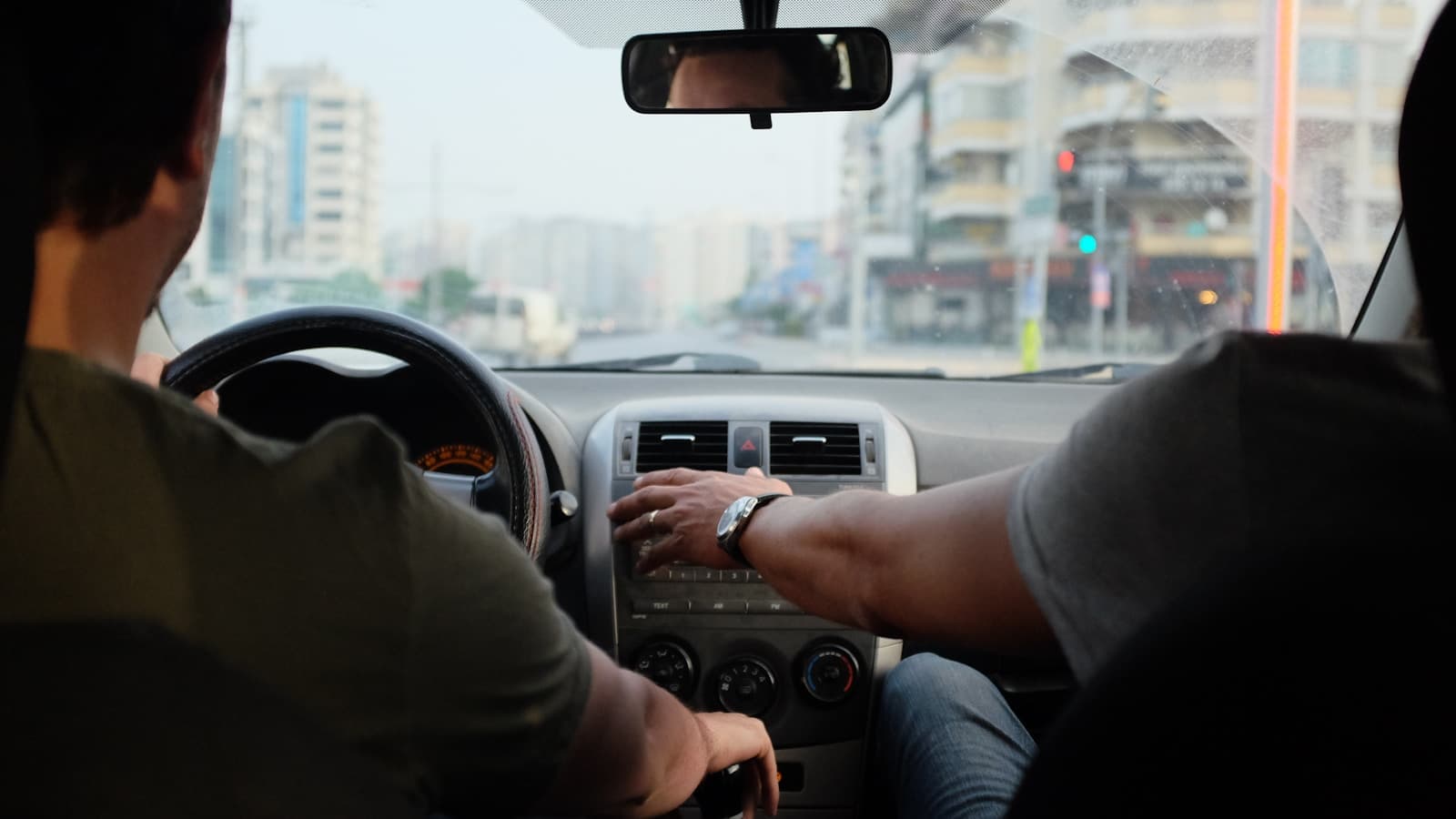
Your teen just got their learner's permit, and now you're wondering if you need to add them to your auto insurance immediately or wait until they get their provisional license. The answer determines both your premium and whether you're covered if they have an accident during supervised driving.
Yes, California Permit Holders Must Be Added Before Their First Supervised Drive
California auto insurance policies require you to list all household members of driving age, including permit holders, before they begin supervised driving. The moment your teen receives their learner's permit and sits behind the wheel with you in the passenger seat, they are operating your vehicle and must be covered under your policy. Failing to add them creates a coverage gap: if your teen causes an accident during a supervised drive and they aren't listed on the policy, your carrier can deny the claim under the household exclusion clause.
Most carriers don't send automatic notifications when a child in your household turns 15½ or 16. The burden falls on you to contact your insurer and request the addition. The good news is that permit holders typically cost less to add than fully licensed drivers because they're restricted to supervised driving only. Expect your annual premium to increase by $800–$1,800 during the permit phase in California, compared to $2,000–$4,000 once they obtain a provisional license and can drive independently.
Some parents delay reporting the permit to avoid the rate increase, gambling that their teen won't have an accident during the supervised driving period. This is a high-stakes bet: California requires 50 hours of supervised driving (10 at night) before a teen can take the behind-the-wheel test. That's 50 hours of exposure during which an unlisted permit holder could trigger a claim denial that leaves you personally liable for all damages.
What California's Graduated Licensing Law Means for Your Coverage Timeline
California's graduated driver licensing (GDL) program has three stages, and each affects your insurance differently. Stage one is the learner's permit, available at age 15½. Your teen must hold the permit for at least six months, complete driver education, and log 50 hours of supervised driving before moving to stage two: the provisional license, available at age 16. Stage three is the full unrestricted license at age 18.
The permit phase is the lowest-cost coverage period because your teen is always supervised. Once they obtain the provisional license, your premium increases significantly because they can now drive alone (with restrictions: no passengers under 20 for the first year, no driving between 11 PM and 5 AM unless for work, school, or medical necessity). The carrier prices this new risk tier immediately. If your teen previously held a permit on the policy for six months, the carrier will adjust the rate upward when you report the provisional license. If you never added them as a permit holder, you'll face the full licensed-driver surcharge all at once.
Some families assume the provisional license restrictions reduce the insurance surcharge. They don't. Carriers price provisional license holders identically to full license holders in the 16-19 age band because the actuarial risk is driven by inexperience and age, not the specific legal restrictions in force during the first 12 months.
See what adding a teen driver actually costs in your state
Compare quotes from carriers that offer good student discounts — most parents find savings they didn't know were available.
Get Your Free Quote✓ Good Student Discounts✓ No Obligation✓ Licensed Carriers✓ All 50 States
How Adding a Permit Holder Affects Your Premium and What You Can Stack Immediately
The average cost to add a permit holder to a California policy is $800–$1,800 per year, or roughly $65–$150 per month. This increases to $2,000–$4,000 annually once they obtain a provisional license. These ranges vary widely based on your current coverage level, the vehicle your teen will drive, your ZIP code, and your carrier's teen pricing model. Urban families in Los Angeles, San Francisco, or San Diego typically see the higher end of the range due to traffic density and collision frequency.
You can reduce the permit-phase surcharge immediately by stacking three discounts before your teen even takes the behind-the-wheel test. First, the good student discount: if your teen maintains a 3.0 GPA or higher, most California carriers offer a 10-25% discount on the teen portion of the premium. You'll need to submit a report card or transcript, and carriers require renewed proof every six months or annually. Second, the driver training discount: completing an approved driver education course (required for California permits anyway) qualifies your teen for an additional 5-15% discount with most carriers. Third, telematics programs like Allstate's Drivewise, State Farm's Drive Safe & Save, or Progressive's Snapshot: these monitor braking, speed, and mileage during supervised drives and can reduce the teen surcharge by 10-30% if your teen demonstrates safe driving habits during the permit phase.
These three discounts are cumulative. A permit holder with a 3.5 GPA, a completed driver ed course, and strong telematics scores can reduce the $1,200 average permit surcharge by $300–$500 in the first year. But you must request them proactively. Carriers will not automatically apply the good student discount when you add your teen to the policy; you submit proof and request the adjustment.
The Household Exclusion Clause and Why Delayed Reporting Backfires in California
Every California auto insurance policy includes a household exclusion clause. This provision states that any household member of driving age who is not listed on the policy is excluded from coverage when operating the insured vehicle. If your 16-year-old permit holder causes an accident while driving under your supervision and they are not listed on the policy, the carrier can deny the claim entirely. You would then be personally liable for all property damage, medical expenses, and legal costs resulting from the accident.
Some parents rationalize the delayed reporting by assuming their own liability coverage will apply because they are in the vehicle supervising. It won't. The household exclusion clause is not overridden by the presence of a listed driver in the passenger seat. The policy excludes the unlisted driver, period. This is a bright-line rule, and carriers enforce it aggressively because undisclosed household drivers represent undisclosed risk.
Delayed reporting also creates a second problem if your teen is later involved in an at-fault accident after you finally add them to the policy. The carrier will ask when your teen received their permit and when they began driving. If the dates reveal a gap between permit issuance and policy addition, the carrier can rescind coverage for material misrepresentation or non-disclosure. California Insurance Code Section 331 allows carriers to void a policy retroactively if the insured concealed or misrepresented a material fact. An unlisted household driver is a material fact.
Should You Add Your Teen to Your Policy or Get Them a Separate Policy in California?
For California permit holders and newly licensed teens still living at home, adding them to your existing policy is almost always cheaper than purchasing a separate policy in their name. A standalone policy for a 16-year-old driver in California typically costs $4,000–$8,000 annually for minimum liability coverage, compared to the $2,000–$4,000 increase when added to a parent's multi-vehicle policy. The savings come from the multi-car discount, the good driver discount already applied to the parent's policy, and the bundled policy structure that spreads risk across multiple vehicles and drivers.
A separate policy makes sense in only two scenarios. First, if your teen is driving a vehicle titled in their name and you want to firewall your liability exposure. If your teen causes a severe accident, the injured party can sue for damages beyond the policy limits. Keeping the teen on a separate policy isolates that liability to the teen's coverage limits, protecting your household assets. Second, if you have a high-risk driving record yourself (recent DUI, multiple at-fault accidents, or suspended license) and adding your teen to your policy would subject them to your surcharge. In that case, a separate policy in the teen's name with a clean-record co-signer may produce a lower rate.
For most California families, the add-to-existing-policy option is the clear winner. You retain control over coverage levels, you can monitor their driving through telematics programs linked to your account, and you maximize discount stacking. Once your teen turns 18, moves out for college, or establishes financial independence, you can revisit the separate-policy decision.
What to Tell Your Carrier When You Add a Permit Holder and What Documents They'll Require
Call your carrier or log into your online account the day your teen receives their learner's permit. You'll need to provide the permit number, issue date, and your teen's date of birth. The carrier will ask which vehicle your teen will primarily drive during supervised practice. If your household has multiple vehicles, designate the safest and least expensive to insure: an older paid-off sedan with strong crash test ratings produces a lower surcharge than a newer high-performance vehicle or large SUV.
The carrier will also ask about driver education completion. If your teen has finished an approved California driver ed course, provide the certificate or completion confirmation. This qualifies them for the driver training discount immediately. If your teen is still enrolled, notify the carrier once the course is complete and request the discount adjustment mid-policy.
For the good student discount, you'll need to submit proof of a 3.0 GPA or higher. Most carriers accept a report card, transcript, or honor roll certificate. Some carriers allow you to upload documents through their mobile app; others require email or fax submission. The discount typically applies within one billing cycle after the carrier receives and verifies the documentation. Set a recurring calendar reminder every six months to resubmit GPA proof. If you miss the deadline, the discount drops off automatically, and you'll pay the undiscounted rate until you resubmit.