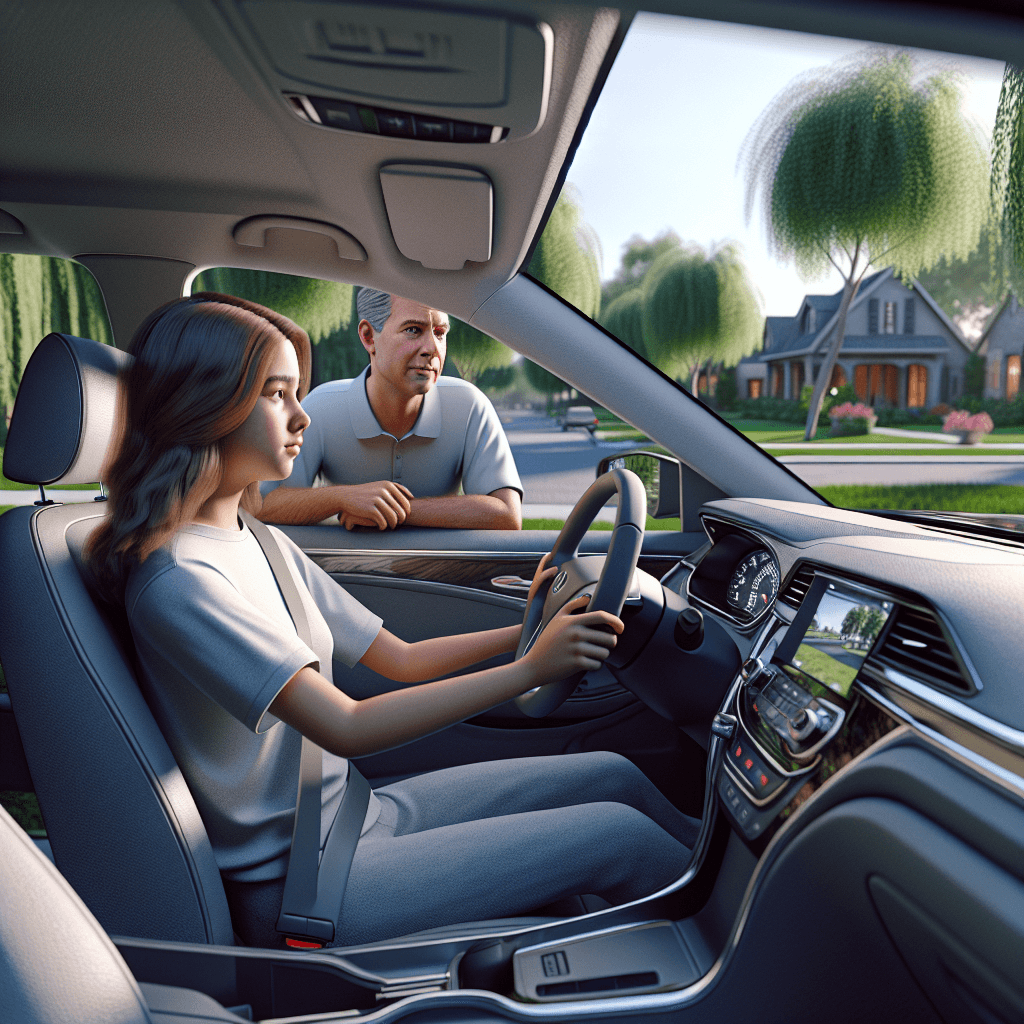
Your teen just passed the written test and got their learner's permit. Now you're wondering if you need to notify your insurance company immediately or if you can wait until they get their junior license.
Pennsylvania Permit Holders Are Usually Covered for Liability Without Being Listed
Pennsylvania auto insurance policies typically extend liability coverage to all household members with valid permits or licenses, even if they're not explicitly listed on the policy. This means your 16-year-old with a learner's permit is usually covered for bodily injury and property damage liability while driving your vehicle under supervision.
The catch is collision and comprehensive coverage. Most carriers in Pennsylvania require permit holders to be explicitly listed as drivers before extending physical damage coverage to the vehicle they're operating. If your teen hits a guardrail during a parking lot practice session and they're not listed on the policy, your carrier may deny the collision claim even though liability coverage would have applied if they'd hit another vehicle.
This creates the coverage gap most Pennsylvania parents don't know exists. Liability protects the other driver. Collision protects your vehicle. Your teen has one automatically and needs to be added for the other. Call your carrier the day your teen gets their permit and ask two questions: Is liability coverage already active for permit holders in my household? Does collision and comprehensive coverage require me to add them as a listed driver now or can I wait until they get their junior license?
Adding Your Teen at the Permit Stage Usually Doesn't Increase Your Premium Immediately
Most Pennsylvania carriers do not apply the full teen driver surcharge until the permit holder obtains a junior license and begins driving unsupervised. Adding your teen as a listed driver during the permit stage typically triggers a minimal increase or no immediate rate change, because the carrier classifies them as a supervised driver with restricted access.
The premium increase appears when your teen transitions to a junior license at age 16 and six months, assuming they've completed the required 65 hours of supervised driving including 10 hours at night and held their permit for at least six months. At that point, expect your annual premium to increase by $1,800 to $3,200 depending on your current coverage level, vehicle type, and location within Pennsylvania.
Notifying your carrier at the permit stage protects you from a coverage dispute later. If your teen has an at-fault accident while driving on a permit and the carrier discovers you never disclosed them as a household member with driving access, they can deny the claim entirely based on material misrepresentation. Adding them at permit stage costs little and eliminates that risk.
See what adding a teen driver actually costs in your state
Compare quotes from carriers that offer good student discounts — most parents find savings they didn't know were available.
Get Your Free Quote✓ Good Student Discounts✓ No Obligation✓ Licensed Carriers✓ All 50 States
Pennsylvania's Graduated Licensing Requirements Affect When Full Coverage Becomes Necessary
Pennsylvania requires permit holders to complete 65 hours of supervised driving, hold the permit for at least six months, and be at least 16 years old before applying for a junior license. During the permit phase, your teen cannot drive alone and must be accompanied by a licensed driver 21 or older in the front seat.
This supervision requirement is why many parents delay adding full coverage until the junior license arrives. The risk profile during supervised driving is lower than unsupervised driving, and if you're in the vehicle every time your teen drives, you can control exposure by avoiding high-traffic situations during the learning phase.
Once your teen obtains a junior license, Pennsylvania law restricts driving between 11 p.m. and 5 a.m. for the first six months unless traveling to or from work, and limits passengers under 18 to one non-family member unless accompanied by a parent or guardian. These restrictions reduce risk compared to a full license, but carriers still apply the teen surcharge in full because unsupervised driving has begun. This is the point when stacking discounts becomes essential.
The Good Student Discount and Driver Training Credit Apply During the Permit Phase in Pennsylvania
Pennsylvania does not mandate the good student discount by law, but most carriers writing in the state offer it and allow parents to apply it as soon as the teen is added to the policy. The discount typically requires a 3.0 GPA or higher and reduces the teen surcharge by 10% to 25% depending on the carrier.
Submit proof at the time you add your teen, not after the first policy period ends. Most carriers require a report card, transcript, or letter from the school registrar showing current GPA. If you wait until renewal to submit documentation, you've paid six months of premiums without the discount applied, and carriers rarely apply it retroactively.
Pennsylvania-approved driver training courses also qualify for a discount with most carriers. Completing an approved course can reduce the teen surcharge by an additional 5% to 15%. Combine the good student discount and the driver training discount and you reduce the annual cost of adding your teen by $300 to $700 in most Pennsylvania households. Apply both at the permit stage so they're active the day your teen gets their junior license and the full surcharge hits.
Choosing Which Vehicle Your Teen Drives Affects Whether You Need to Add Them Now
If your household has multiple vehicles and you plan to restrict your teen to an older vehicle with no loan and no collision or comprehensive coverage, listing them at the permit stage becomes less urgent from a coverage perspective. Liability extends automatically in most Pennsylvania policies, and if you're not carrying physical damage coverage on that vehicle, there's no collision claim to deny.
If your teen will practice in a newer vehicle with an active loan requiring full coverage, list them immediately. Lenders require collision and comprehensive coverage as a condition of financing, and a denied claim because your teen wasn't listed leaves you responsible for repair costs while still owing the loan balance.
The vehicle assignment also controls the size of the surcharge. Assigning your teen to an older vehicle with lower value and no comprehensive or collision coverage results in a lower increase than assigning them to a new SUV with full coverage. Most carriers allow you to designate a primary vehicle for each driver. Make that designation at the time you add your teen to ensure the surcharge calculation reflects the vehicle they'll actually drive most often.
What Happens If You Don't Add Your Teen and They Have an Accident During Supervised Driving
If your permit-holding teen has an at-fault accident while you're supervising and they're not listed on your policy, your carrier will likely cover liability because Pennsylvania policies extend liability to household members automatically. The claim will be paid, but your carrier may require you to add the teen immediately and apply the surcharge retroactively to your policy effective date or renewal date.
Collision coverage is where disputes arise. If your teen damages your vehicle and they're not listed, the carrier can deny the physical damage claim. You'll pay out of pocket to repair your vehicle or file the claim and face a potential policy cancellation for material misrepresentation if the carrier determines you intentionally withheld information about a household driver.
Pennsylvania law requires all household members with licenses or permits to be disclosed to your insurance carrier. Failing to disclose a permit holder isn't an automatic violation, but it becomes one if the carrier can show you knowingly withheld the information to avoid a rate increase. The safest approach is to call your carrier the week your teen gets their permit, add them as a listed driver, confirm what coverage applies during the permit phase, and ask when the full surcharge takes effect.
When to Add Your Teen: Permit Stage vs Junior License
Add your teen at the permit stage if they will be driving a vehicle with collision and comprehensive coverage, if your household has multiple vehicles and you want control over which vehicle they're assigned to, or if you want the good student and driver training discounts active immediately so they apply in full once the junior license surcharge hits.
Wait until the junior license if your teen will only drive an older vehicle with liability-only coverage, if your carrier confirmed in writing that liability extends automatically to permit holders and you're comfortable with the collision coverage gap during supervised driving, and if your teen won't have a GPA or driver training certificate ready until closer to when they get their junior license.
Most Pennsylvania parents choose to add at the permit stage because the cost difference is minimal, the coverage gap for physical damage is real, and starting the good student discount clock early saves money over the first year. The question isn't whether your teen needs to be added. The question is whether the risk of not adding them during the permit phase is worth the small short-term savings.