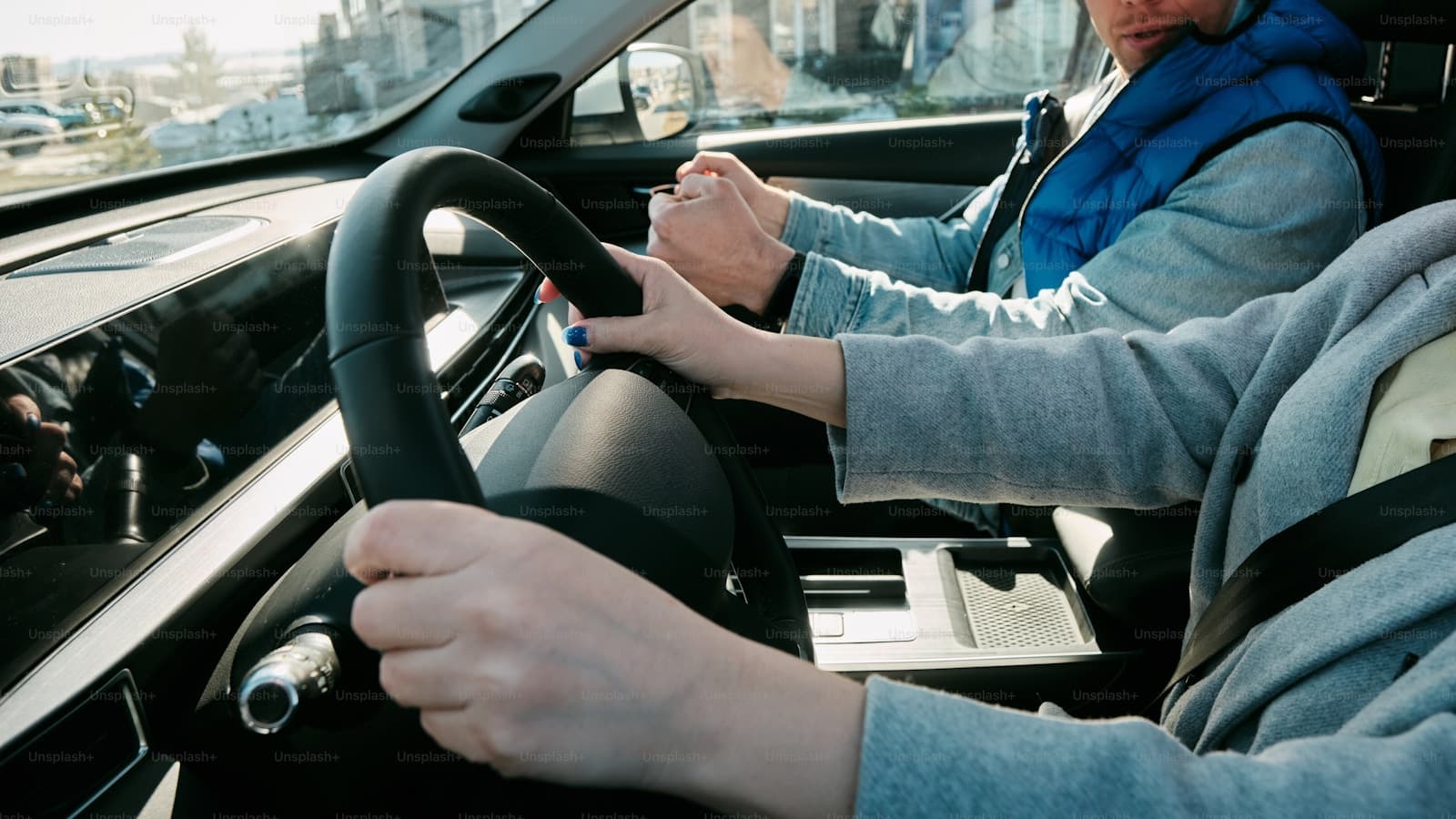
Your teen just got their license and wants to drive solo. Coverage isn't automatic under California's graduated licensing system — here's what changes when they move from supervised to unsupervised driving.
Your Teen Is Covered Driving Alone — If You Told Your Carrier They Have a License
Your California auto policy covers your teen driving your vehicle without you present as soon as they hold a valid provisional license, provided you notified your carrier of the license upgrade. Most parents list their teen when they get a learner's permit, which establishes baseline coverage during supervised driving. The moment your teen passes the behind-the-wheel test and receives a provisional license, they're legally permitted to drive unsupervised under California's graduated licensing rules — but your carrier treats this as a material change requiring notification within 30 days.
If you don't report the license upgrade, your policy still provides liability coverage in most cases under California's permissive use doctrine, but collision and comprehensive claims can be denied if the carrier argues you misrepresented the teen's driving status. State Farm, Farmers, and GEICO all include policy language requiring notification of household license changes within 30 days of the event.
The surcharge you're already paying for your listed teen increases the day they get their provisional license, even if they don't drive more often. Carriers price teen drivers based on unsupervised driving risk from day one of licensure. Adding a 16-year-old with a provisional license to a parent policy in California typically increases the annual premium by $2,200–$3,800 depending on the vehicle, coverage level, and county.
California's Provisional License Restrictions Don't Reduce Your Premium
California requires all drivers under 18 to hold a provisional license for at least 12 months before applying for a full license. During the provisional period, your teen cannot drive between 11 p.m. and 5 a.m. for the first 12 months, and cannot transport passengers under 20 unless a licensed driver 25 or older is present — exceptions exist for work, school, medical necessity, or when transporting immediate family members.
Carriers do not offer reduced rates during the provisional period despite these restrictions. The premium you pay reflects the actuarial risk of an inexperienced driver operating your vehicle unsupervised at any time. GEICO and Progressive both confirmed that provisional license status does not qualify for a discount in California — the good student discount, driver training discount, and telematics programs remain the only levers parents have to reduce the base teen surcharge.
Violations of provisional restrictions — nighttime driving or unauthorized passengers — can result in a one-year license extension and a negligent operator point on your teen's DMV record, which adds 15–25% to your already elevated premium. If your teen receives a ticket for a provisional violation, notify your carrier immediately. Some parents wait until renewal, hoping to avoid a mid-term surcharge, but California law requires carriers to check DMV records at renewal regardless, and failing to disclose a violation can void coverage retroactively.
See what adding a teen driver actually costs in your state
Compare quotes from carriers that offer good student discounts — most parents find savings they didn't know were available.
Get Your Free Quote✓ Good Student Discounts✓ No Obligation✓ Licensed Carriers✓ All 50 States
Driver Training Completed Before Licensure Can Save You 10–20% — But Only If You Submit Proof
California does not legally mandate a good student or driver training discount, but most major carriers writing in the state offer both. The driver training discount applies when your teen completes an approved behind-the-wheel course before getting their provisional license — typically 10–20% off the teen surcharge depending on the carrier and course provider. State Farm, Farmers, Allstate, and Liberty Mutual all offer this discount in California, but eligibility expires if the course is completed after the teen is already licensed.
You must submit a certificate of completion to your carrier within 30 days of your teen finishing the course. Most carriers do not automatically apply the discount — if you don't send documentation, you don't get the savings. Parents who complete driver training during the learner's permit phase and submit proof before their teen's provisional license issues save an average of $220–$450 annually compared to parents who skip training or submit documentation late.
The good student discount requires a 3.0 GPA or higher and saves an additional 10–15%. Unlike the driver training discount, good student eligibility continues throughout high school and college as long as your teen maintains the GPA threshold and you submit transcripts or report cards every 6–12 months. Progressive and GEICO both require proof at every renewal. If you don't send updated documentation, the discount drops off mid-policy without notification in most cases.
When Your Teen Drives a Vehicle Not on Your Policy, Coverage Gets Complicated
Your policy covers your teen driving any vehicle you own and have listed on the policy, plus occasional use of a borrowed vehicle under standard permissive use provisions. If your teen regularly drives a vehicle you own but haven't listed — a third car kept at home, or a vehicle titled in your name but used exclusively by the teen — most carriers require that vehicle to be added to your policy with your teen listed as the primary driver.
California carriers define regular use as more than 12 times per year or any pattern suggesting the vehicle is assigned to the teen. If your teen borrows a friend's car or a grandparent's vehicle occasionally, your policy provides excess liability coverage — it pays after the vehicle owner's policy limits are exhausted. But if your teen borrows the same non-owned vehicle every week, carriers can argue regular use and deny a claim if the vehicle isn't listed on your policy.
Parents who buy a separate vehicle titled in the teen's name and insured under a standalone policy pay 30–50% more than parents who add the same vehicle to their existing multi-car policy with the teen as primary driver. The multi-vehicle and multi-policy discounts available on a parent policy almost always outweigh the cost of adding another vehicle, even when the teen is rated as the primary operator.
Telematics Programs Can Cut Your Teen Surcharge by 15–30% If Your Teen Drives Safely
State Farm, Progressive, Allstate, and Nationwide all offer usage-based insurance programs in California that monitor your teen's driving through a mobile app or plug-in device. These programs measure hard braking, rapid acceleration, nighttime driving, phone use while driving, and total miles driven. Safe driving results in a discount of 15–30% at renewal — but risky driving can eliminate any discount or in some cases increase your premium if the data shows high-risk patterns.
Telematics programs are the only discount mechanism tied to actual driving behavior rather than demographic proxies. A teen who demonstrates smooth braking, minimal nighttime trips, and no distracted driving over a 90-day monitoring period can reduce their surcharge significantly. Progressive's Snapshot program in California reported that teen drivers who scored in the top 25% of monitored drivers saved an average of $420 annually compared to teens who didn't enroll.
You must enroll within the first 30 days of adding your teen to the policy to maximize savings — most programs offer a small participation discount immediately, then adjust the rate at renewal based on actual driving data collected during the policy term. If your teen's driving data shows frequent hard braking or late-night trips during the monitoring period, you can typically unenroll before renewal without penalty, reverting to your standard rate.
What Happens If Your Teen Gets in an At-Fault Accident Driving Alone
Your liability coverage pays for injuries and property damage your teen causes to others, up to your policy limits. California requires minimum liability limits of $15,000 per person for injury, $30,000 per accident for injury, and $5,000 for property damage, but parents with assets to protect should carry at least $100,000/$300,000/$100,000 or higher — a single at-fault accident involving serious injuries can generate claims exceeding $100,000.
Collision coverage pays to repair your vehicle after an at-fault accident minus your deductible, and comprehensive covers theft, vandalism, or weather damage unrelated to a collision. If your teen is driving an older vehicle worth less than $5,000, many parents drop collision and comprehensive to reduce the premium — but if your teen finances or leases a vehicle, lenders require both coverages.
An at-fault accident increases your premium at renewal by 20–40% depending on claim severity, and the surcharge remains for three years in California. Your teen's accident history follows them — if they move to their own policy after turning 18 or 19, carriers pull their CLUE report showing all claims filed under any policy where they were listed. Parents cannot "hide" a teen's accident by removing them from the policy before renewal.