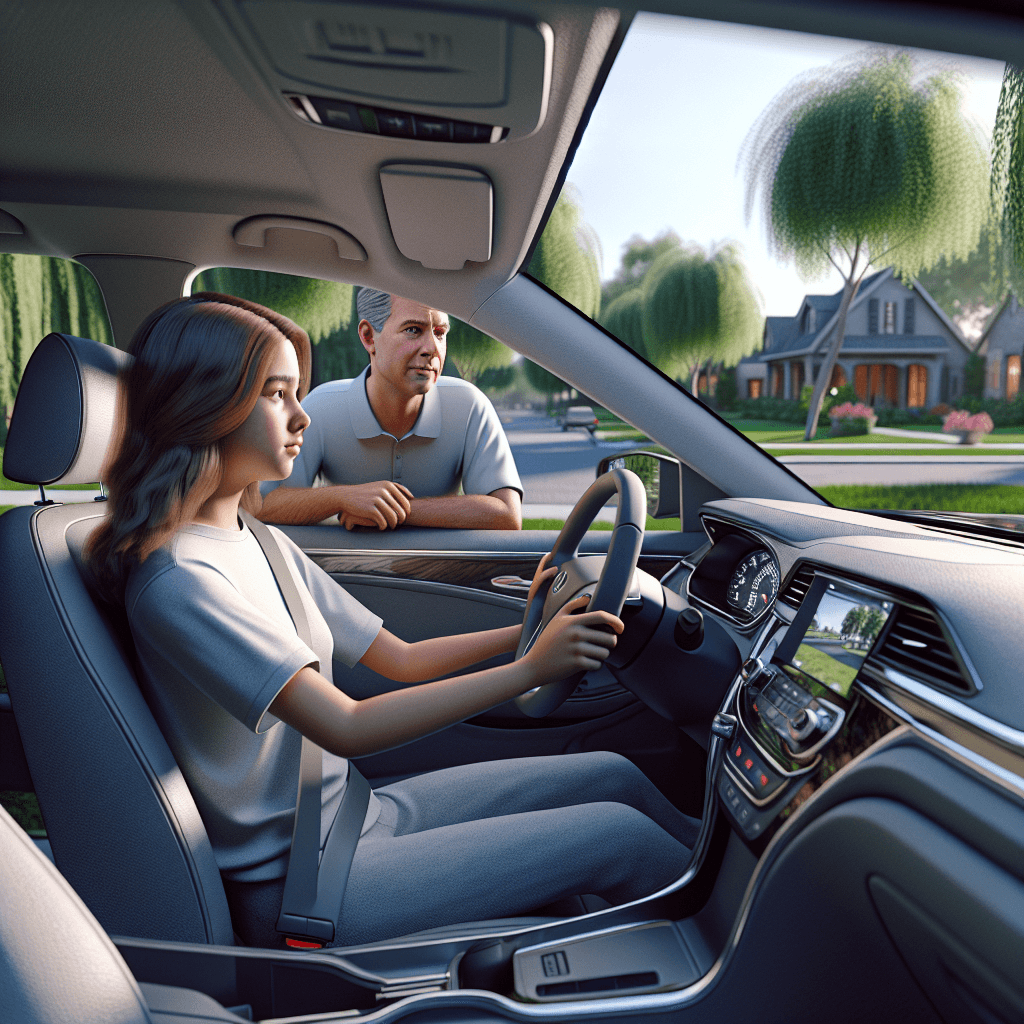
Your teenager just got their junior license and wants to drive to school alone. Before you hand over the keys, understand exactly what your Pennsylvania auto policy covers when your teen drives unaccompanied—and what exclusions could leave you exposed.
When Pennsylvania Named Driver Rules Allow Solo Teen Coverage
Your Pennsylvania auto insurance policy covers your teen driving alone once they hold a valid junior license (age 16-17) or full license (age 18+) and you have added them to your policy as a named driver. The carrier rates them based on their age, license status, and vehicle assignment, then extends full liability and physical damage coverage when they drive any vehicle listed on your policy.
Coverage activates the moment the carrier processes the teen driver addition and you pay the adjusted premium. Most carriers allow you to add a teen driver online or by phone within minutes, though the premium increase—typically $1,800 to $3,500 annually in Pennsylvania depending on the teen's age, gender, vehicle, and your coverage limits—appears immediately on your next billing cycle.
If your teen drives your vehicle without being listed as a named driver, you're relying on permissive use coverage, which Pennsylvania law requires carriers to extend to any licensed driver you give permission to operate your vehicle. This coverage applies in many scenarios, but it contains exclusions that catch parents off guard when a claim happens.
Why Learner Permit Holders Driving Alone Void Coverage Entirely
Pennsylvania learner permits require a licensed driver age 21 or older in the front passenger seat at all times. If your teen holds only a permit and drives alone, they are operating illegally under Pennsylvania's Graduated Driver Licensing law. Every carrier in Pennsylvania includes a policy exclusion for losses occurring during illegal operation of a vehicle.
When an accident happens with a permit holder driving alone, the carrier denies the claim entirely. You receive no liability coverage for injuries or property damage your teen causes, and no collision or comprehensive coverage for damage to your own vehicle. If your teen causes $80,000 in injuries to another driver, you pay that amount out of pocket. If your teen totals your $25,000 vehicle, you receive nothing.
This exclusion applies even if your teen has been driving with you for months and you believed they were ready. The permit's legal restriction controls coverage, not your assessment of their skill. The gap closes only when your teen passes the road test and receives their junior license.
See what adding a teen driver actually costs in your state
Compare quotes from carriers that offer good student discounts — most parents find savings they didn't know were available.
Get Your Free Quote✓ Good Student Discounts✓ No Obligation✓ Licensed Carriers✓ All 50 States
How Household Exclusions Eliminate Coverage for Undisclosed Teen Drivers
Pennsylvania carriers include a household exclusion clause in every policy. This clause requires you to list every licensed household member as either a rated driver or an excluded driver. If your teen gets their junior license and you don't notify the carrier within 30 days, the household exclusion activates when your teen has an accident.
The carrier argues you concealed a material change in risk. They deny the claim, refund your premium from the policy inception date, and rescind the policy retroactively. You lose all coverage for the accident—liability, collision, comprehensive—and you're treated as if you drove uninsured. Pennsylvania imposes a three-month license suspension and requires SR-22 filing for driving without insurance, even if you thought you had coverage.
Most parents don't hide the teen intentionally. They assume the carrier will ask during renewal, or they plan to add the teen "once they start driving regularly." Carriers don't notify you of the 30-day requirement. The policy documents contain it, but few parents read endorsement schedules. The first time you learn about the household exclusion is when the claims adjuster cites it to deny your teen's first accident.
What Permissive Use Coverage Actually Protects When Your Teen Drives
If your teen holds a valid junior or full license but isn't listed on your policy as a named driver, permissive use coverage may still apply. Pennsylvania law requires carriers to extend liability coverage to any person operating your vehicle with your permission, even if that person isn't listed on the policy. This protects you if your teen borrows your car occasionally.
Permissive use liability coverage typically matches your policy limits—if you carry 100/300/100 liability, your teen gets the same limits when driving your vehicle with permission. Physical damage coverage (collision and comprehensive) also extends under permissive use in most Pennsylvania policies, though some carriers limit it or exclude it entirely for drivers under 21. Read your policy's "Who Is Insured" section to confirm.
Permissive use doesn't eliminate the premium increase—it delays it. Once the carrier processes the claim and discovers your teen has been driving regularly, they reclassify your teen as a regular operator and charge you retroactive premium from the date your teen got their license. You owe the difference as a lump sum, typically $1,500 to $3,000, and the carrier can cancel your policy for material misrepresentation if you don't pay within 30 days.
How Junior License Restrictions Affect Coverage Before Age 18
Pennsylvania junior license holders (age 16-17) face passenger and nighttime restrictions under state GDL law. For the first six months, they cannot drive with more than one passenger under age 18 unless accompanied by a parent or guardian. They cannot drive between 11 PM and 5 AM unless traveling to or from work or a school-sponsored activity.
Violating these restrictions doesn't automatically void coverage the way driving on a learner permit does, but it does allow carriers to reduce claim payments under comparative negligence rules. If your teen causes an accident while driving three friends home at midnight, the carrier pays the third-party liability claim in full—Pennsylvania law requires it—but they may deny your own collision claim or reduce the payout by arguing your teen's illegal operation contributed to the loss.
Some carriers include explicit GDL violation exclusions in policies issued to households with junior license holders. These exclusions deny collision and comprehensive coverage entirely when the teen violates passenger or nighttime restrictions. Most Pennsylvania carriers don't include this exclusion, but GEICO, Progressive, and State Farm policies issued after 2021 contain it. Check your policy declarations page for a "Graduated Driver Licensing Exclusion" endorsement.
Why Adding Your Teen as a Named Driver Before Solo Driving Starts Matters
The safest path: add your teen to your policy as a named driver the day they receive their junior license, before they drive alone once. You pay the full teen driver surcharge immediately, but you eliminate every coverage gap described above. Your teen gets full liability protection up to your policy limits, full collision and comprehensive coverage, and the carrier cannot deny a claim based on household exclusion, permit violation, or undisclosed driver status.
Adding your teen as a rated driver also unlocks discount eligibility. Pennsylvania doesn't mandate a good student discount, but nearly every carrier writing in the state offers one—typically 10-20% off the teen driver surcharge for students maintaining a 3.0 GPA or higher. You must submit a report card or transcript every six months to maintain eligibility. Most parents don't know carriers remove the discount automatically at renewal if you don't resubmit documentation, resulting in a surprise $300-$500 mid-policy increase.
Driver training completion reduces the surcharge with most carriers, though Pennsylvania no longer requires it for licensing. Completing a state-approved driver training course—typically $400-$600 and 30 hours of classroom and behind-the-wheel instruction—earns a 5-10% discount with most carriers for three years. Combining good student and driver training discounts reduces the annual teen surcharge by $400-$800 in Pennsylvania, enough to cover the cost of driver training in the first year.
What Happens If Your Teen Borrows a Friend's Car
When your teen drives someone else's vehicle, that vehicle owner's liability insurance provides primary coverage in Pennsylvania. Your own policy provides secondary coverage only if the other driver's limits are exhausted. If your teen causes $150,000 in injuries while driving a friend's car and the friend's parents carry only the Pennsylvania state minimum of $15,000 per person, your policy covers the remaining $135,000 up to your own liability limits.
This structure creates exposure for both families. The vehicle owner's carrier pays first and takes the claim history hit, even though their child wasn't driving. Your carrier pays the excess and increases your premium at renewal. If the accident is severe enough, both families face non-renewal.
Some Pennsylvania parents try to manage this by excluding their teen from their own policy and buying a separate non-owner liability policy for the teen. This strategy works only if your teen never drives a vehicle you own. The moment your excluded teen drives your vehicle, you have zero coverage—permissive use doesn't apply to excluded drivers. Non-owner policies cost $300-$800 annually in Pennsylvania for teen drivers and provide liability-only coverage, no physical damage protection.