You just added your 16-year-old to your Texas auto policy, but you're not sure if they're actually covered when they drive alone during their learner or provisional license period. Here's what Texas law requires and what your carrier actually covers.
Your Teen Is Covered for Liability the Moment They're Listed on Your Policy
Texas operates under permissive use liability rules: any licensed driver you permit to use your vehicle is covered for bodily injury and property damage liability under your policy limits, regardless of whether you're physically present in the car. This applies the moment your teen receives their learner license and you add them as a listed driver.
Liability coverage follows the vehicle in Texas, not the driver. If your teen is driving your car with your permission and causes an accident, your liability coverage pays for the other party's injuries and property damage up to your policy limits. This is true whether you're in the passenger seat or your teen is driving alone after reaching the provisional license stage.
The coverage gap parents miss: liability is automatic, but collision and comprehensive coverage on your own vehicle often require explicit carrier notification before solo driving begins. Your teen's damage to your car may not be covered if the carrier wasn't notified that solo driving had started, even though the teen was already listed on the policy during the learner phase.
Collision and Comprehensive Coverage Depends on Notification Timing
Most Texas carriers require you to notify them when your teen progresses from learner license (supervised driving only) to provisional license (solo driving with restrictions). If you listed your teen when they got their learner permit but never updated the carrier when they began driving alone, collision and comprehensive claims may be denied.
The reason: carriers price learner permit drivers lower than provisional license holders because supervised driving produces far fewer claims. When your teen begins solo driving, the risk profile changes and so does the premium. If the carrier wasn't notified and your teen totals your car during their first solo trip, the collision claim can be denied for material misrepresentation of risk.
Texas law requires teens to hold a learner license for at least 6 months and complete 30 hours of behind-the-wheel instruction (including 10 hours at night) before applying for a provisional license. The provisional phase lasts until age 18 and includes nighttime driving restrictions (midnight to 5 a.m. during the first 12 months) and passenger limits (no more than one non-family passenger under 21 during the first 12 months). Notify your carrier the week your teen receives their provisional license, not months later.
See what adding a teen driver actually costs in your state
Compare quotes from carriers that offer good student discounts — most parents find savings they didn't know were available.
Get Your Free Quote✓ Good Student Discounts✓ No Obligation✓ Licensed Carriers✓ All 50 States
What Happens If Your Teen Drives Alone Before You Notify the Carrier
Your liability coverage remains active under Texas permissive use rules. If your teen causes an accident while driving alone on a provisional license, your bodily injury and property damage liability limits apply. The carrier cannot deny a third-party liability claim because you failed to notify them of your teen's license upgrade.
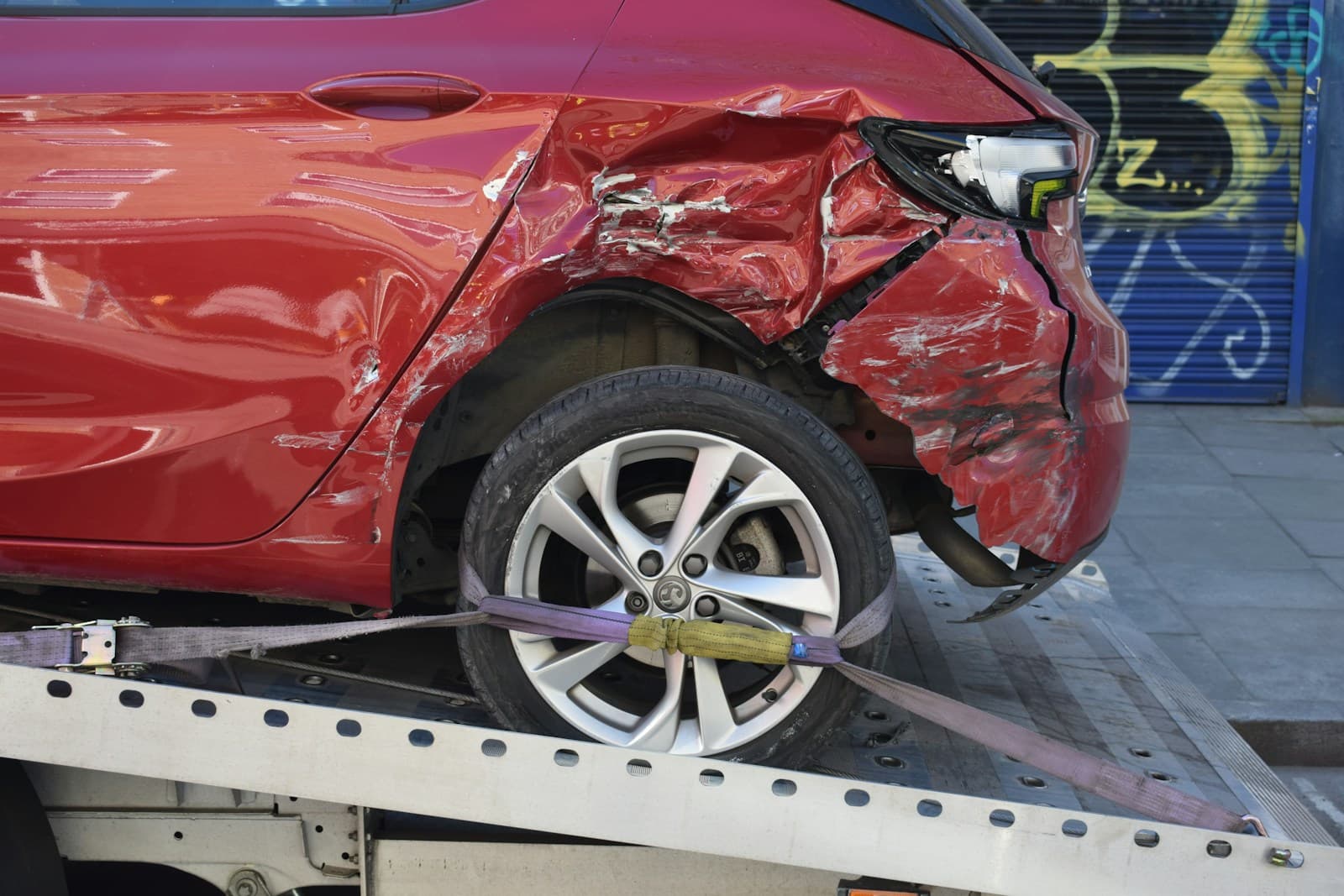
Collision coverage on your own vehicle is different. If your teen wrecks your car during solo driving and the carrier discovers they had been driving alone for weeks or months without your notification, the collision claim can be denied. The carrier will argue you materially misrepresented the risk by allowing unsupervised driving while paying the lower learner-permit rate.
The notification window matters. If your teen gets their provisional license on a Friday and has a solo accident the following Monday, most carriers will process the claim normally and adjust the premium going forward. If your teen has been driving alone for three months and you never notified the carrier, expect the collision claim to be contested. The fix: call your agent or carrier the same week your teen receives their provisional license and confirm the policy has been updated.
How Texas GDL Violations Affect Coverage
Texas graduated driver licensing restrictions are legal requirements, not carrier policy terms. If your provisional-license teen is pulled over at 1 a.m. (violating the nighttime restriction) or is carrying three friends under 21 (violating the passenger limit), they receive a ticket and potentially a license suspension. The violation itself does not void your auto insurance coverage.
Your liability coverage pays for accidents that occur during GDL violations. If your teen is driving at 2 a.m. with two passengers and causes an accident, your policy's bodily injury and property damage liability limits apply. Texas law does not allow carriers to deny third-party liability claims based on GDL violations.
The consequence you pay: the ticket appears on your teen's driving record, and your premium increases at the next renewal. A nighttime driving violation in Texas typically adds $200–$500 annually to the teen driver surcharge for three years. Repeated GDL violations trigger license suspension under Texas Transportation Code 521.294, and a suspended license requires SR-22 filing to reinstate. At that point, you're looking at high-risk carrier rates, often double the standard teen surcharge.
The Add-to-Parent-Policy vs Separate-Policy Decision for Texas Teens
Adding your teen to your existing Texas policy costs $1,800–$3,600 annually depending on your current coverage level, vehicle type, and location. A separate policy in your teen's name for minimum liability coverage runs $3,000–$6,000 annually. The add-to-parent option is cheaper in nearly every scenario because the teen benefits from your multi-vehicle discount, homeowner discount, and loyalty tenure.
The separate-policy scenario makes sense in exactly two cases: your teen drives a vehicle titled in their own name and you want to firewall liability exposure, or your teen has already accumulated violations and adding them to your policy would push your household into non-standard carrier territory. For a clean-record teen driving your vehicle, adding them to your policy is the correct financial move.
Discount stacking is where parents recover cost. The Texas good student discount (typically 10–15% off the teen surcharge) is carrier-discretionary, not state-mandated. Most carriers require a 3.0 GPA and proof submission every six months. The driver training discount (5–10%) applies if your teen completed an TDLR-approved driver education course. Stack both with a telematics program and you reduce the teen surcharge by 25–35%. State Farm, GEICO, Progressive, and Allstate all write teen policies in Texas and offer all three discount types, but discount percentages vary by carrier.
What Coverage Level Makes Sense for a Teen Driver in Texas
Texas minimum liability limits are $30,000 per person / $60,000 per accident for bodily injury and $25,000 for property damage. These limits are dangerously low for any household with assets, and catastrophically low when an inexperienced driver is on the policy. A teen rear-ending a luxury SUV in Houston easily exceeds $25,000 in property damage alone. Injury claims from multi-vehicle accidents regularly exceed $100,000.
Recommended liability floor for Texas families with teen drivers: $100,000 / $300,000 / $100,000, or better yet, $250,000 / $500,000 / $100,000 if your household owns a home or has retirement accounts. The incremental cost from state minimums to $100k/$300k/$100k is typically $15–$30 per month. The protection gap between $60,000 per accident and $300,000 per accident is the difference between a paid claim and a lawsuit targeting your home equity.
Collision and comprehensive on the teen's vehicle depends entirely on the vehicle's value. If your teen drives a 2015 sedan worth $8,000, collision coverage with a $1,000 deductible costs $600–$900 annually. After one accident, the vehicle is likely totaled, and the payout after deductible is $7,000. If your teen drives a 2022 vehicle worth $28,000, collision and comprehensive are non-negotiable unless you can replace the vehicle out of pocket. Match the coverage to the vehicle value and your household's ability to absorb a total loss.