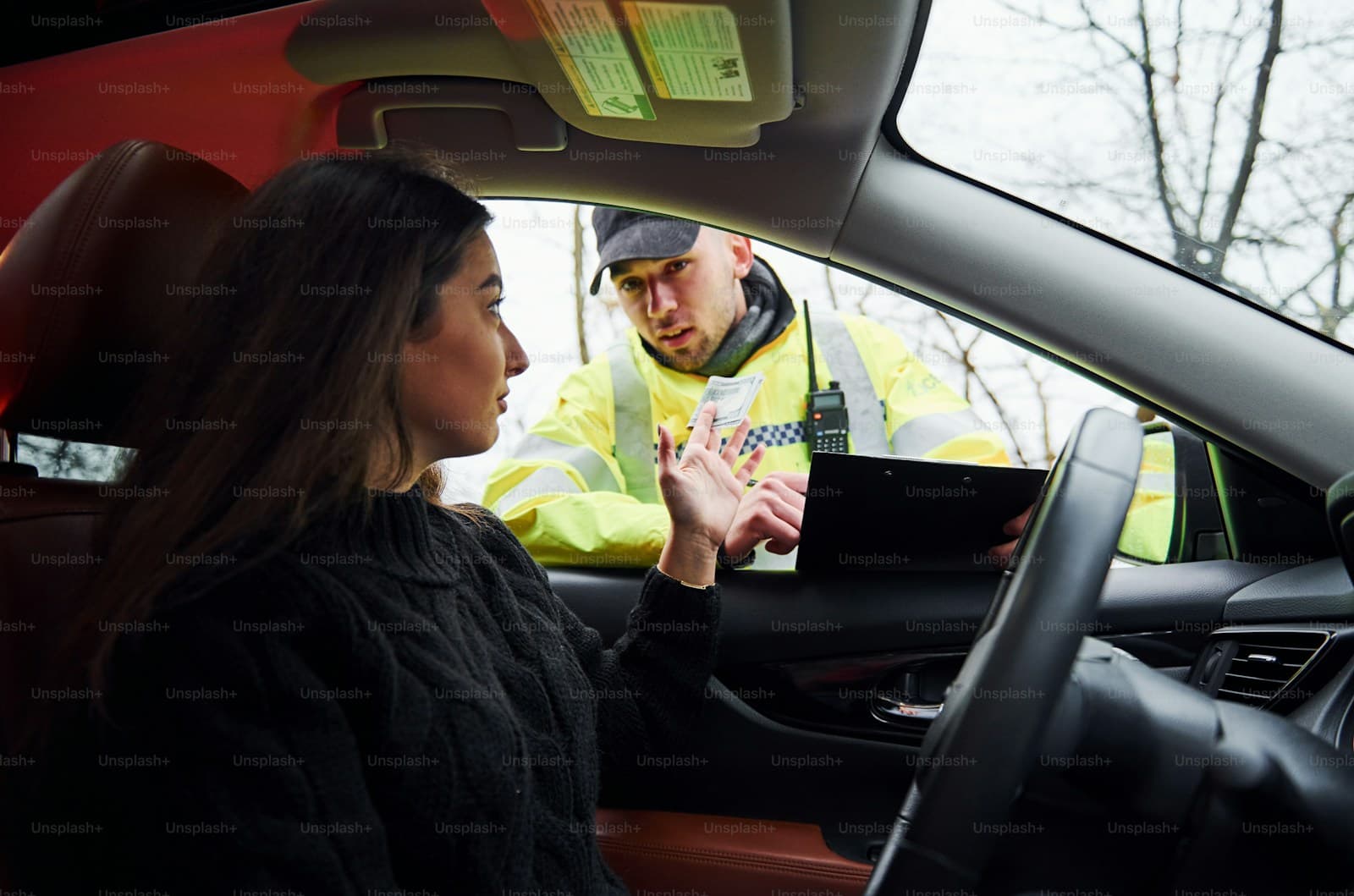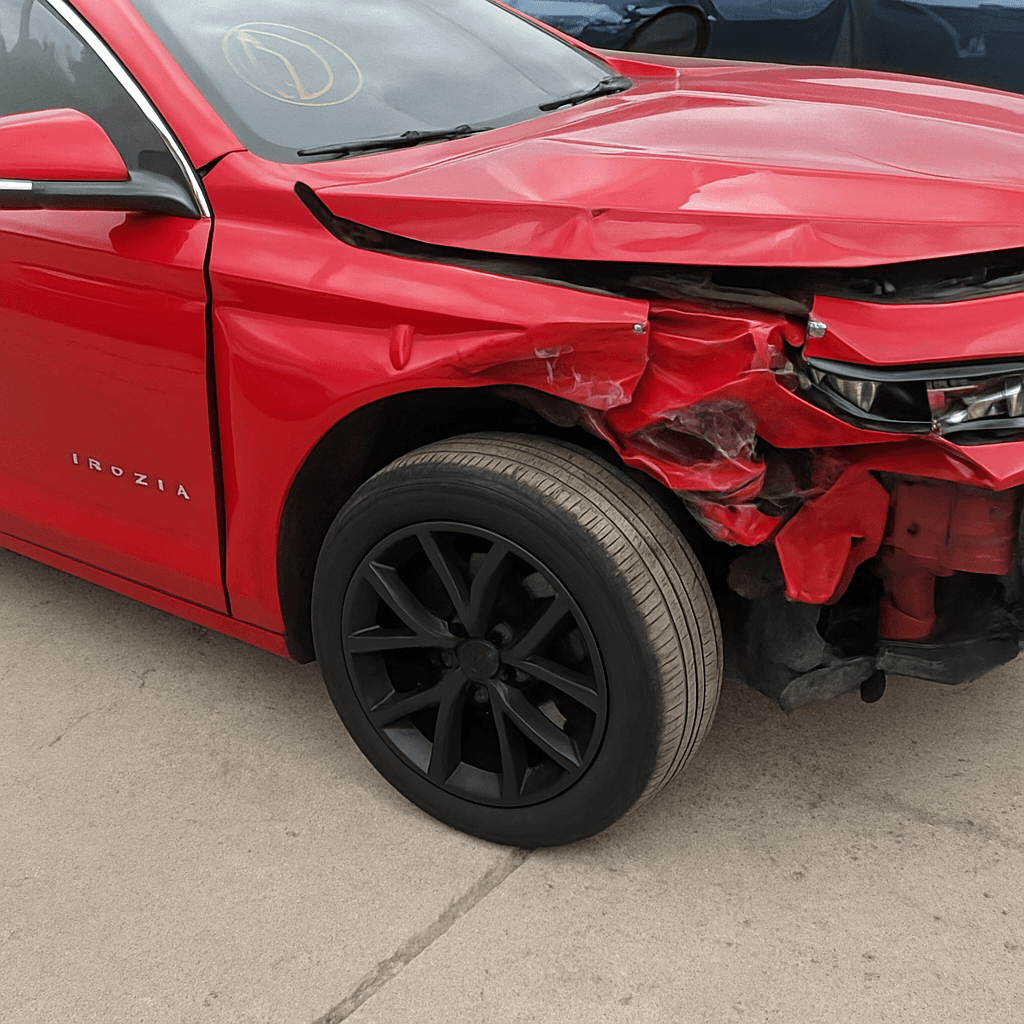
Your teen just got their learner's permit or junior license, and you're staring at a quote that adds $2,400 to your annual premium. Here's what actually drives that number, which discounts stack, and whether adding them to your policy or getting a separate one costs less.
When Pennsylvania Teen Driver Coverage Actually Starts
Pennsylvania requires you to notify your insurer the day your teen gets their learner's permit, even though they can't drive unsupervised for at least six months. Most carriers apply the full teen driver surcharge immediately — typically $1,800 to $3,200 annually depending on your current premium, vehicle, and coverage level — even during the 65-hour supervised driving requirement.
A handful of carriers offer reduced permit-phase pricing, recognizing the teen isn't driving solo yet. State Farm and Erie sometimes apply a 30–50% discount during the learner's permit period, then increase to the full teen rate when the junior license is issued. Most parents don't know to ask about this. If your carrier doesn't offer permit-phase pricing, you're paying the full increase six months before your teen can legally drive themselves to school.
Once your teen gets their junior license at 16½ (after completing 65 supervised hours), they're legally allowed to drive unsupervised between 5 a.m. and 11 p.m. with passenger restrictions. That's when the full surcharge applies across all carriers. The junior license phase lasts until age 18, when nighttime and passenger restrictions lift automatically.
Add to Your Policy or Get a Separate Teen Policy
Adding your teen to your existing policy costs less than getting them a separate policy in nearly every scenario. Pennsylvania teen-only policies run $4,800 to $7,200 annually for minimum liability coverage — two to three times what the incremental cost of adding them to a parent policy would be. Carriers price standalone teen policies as high-risk because there's no experienced driver in the household to offset the actuarial profile.
The only time a separate policy makes financial sense is if your teen lives elsewhere full-time (boarding school, with another relative) or if you're carrying minimum liability limits yourself and can't afford the increase. Most families save $2,000 to $4,000 per year by adding the teen to the parent policy and stacking every available discount.
Pennsylvania allows named driver exclusions, meaning you can formally exclude your teen from your policy to avoid the surcharge. This only works if the teen truly never drives any vehicle on your policy — not even in an emergency. If they drive and cause an accident, your carrier denies the claim and you're personally liable. Use this only if your teen will be driving a vehicle titled and insured separately.
See what adding a teen driver actually costs in your state
Compare quotes from carriers that offer good student discounts — most parents find savings they didn't know were available.
Get Your Free Quote✓ Good Student Discounts✓ No Obligation✓ Licensed Carriers✓ All 50 States
Which Discounts Cut the Teen Surcharge in Pennsylvania
The good student discount reduces teen premiums by 10–25% and is available from every major carrier writing in Pennsylvania. Your teen needs a 3.0 GPA or B average. Some carriers require official transcripts; others accept a report card or honor roll certificate. The discount applies at policy renewal, so submit documentation 30 days before your renewal date. If you don't resubmit proof every year, most carriers remove the discount mid-policy without notification.
Driver training completion cuts another 5–15% with most carriers. Pennsylvania doesn't require formal driver's ed for licensing, but completing an approved course — classroom and behind-the-wheel — qualifies for the discount. The course must be state-approved; online-only programs typically don't qualify. Submit the completion certificate to your carrier within 30 days of finishing the course.
Telematics programs like Progressive Snapshot, State Farm Drive Safe & Save, and Allstate Drivewise monitor braking, acceleration, speed, and nighttime driving. Safe driving during the monitored period (typically 90 days) can reduce the teen surcharge by 15–30%. These programs work especially well for teens because the data proves they're not driving recklessly, which is what drives the baseline surcharge. The discount applies at the next renewal after the monitoring period ends.
Multi-vehicle and multi-policy discounts stack on top of teen-specific discounts. If your teen drives a second or third vehicle on your policy, you're already getting the multi-vehicle discount (usually 10–20%). Bundling home and auto adds another 15–25%. A teen driver on a bundled, multi-vehicle policy with good student and telematics discounts can cut the net surcharge by 40–50%.
What Coverage Level Your Pennsylvania Teen Actually Needs
Pennsylvania requires 15/30/5 liability minimums: $15,000 per person for injury, $30,000 per accident, and $5,000 for property damage. These limits are dangerously low for a household adding a teen driver. A single-car accident with injuries exceeds $30,000 in medical costs routinely, and you're personally liable for anything above your policy limit.
Raise liability to 100/300/100 at minimum when adding a teen. The incremental cost is $15–$30 per month on top of the teen surcharge, and it protects your assets if your teen causes a serious accident. If you own a home or have significant savings, consider 250/500/100 or higher. Umbrella policies (which require 250/500/100 underlying auto liability) add another $1 million in coverage for $200–$400 annually.
Collision and comprehensive coverage depend entirely on the vehicle your teen drives. If they're driving a paid-off older vehicle worth less than $5,000, collision coverage costs more over two years than the car's replacement value. Drop collision, keep comprehensive (it's cheap and covers theft, vandalism, and weather damage), and set aside the premium savings for repairs. If the vehicle is financed or worth more than $10,000, keep both.
How Vehicle Choice Changes Your Teen Driver Rate
The vehicle your teen drives most often determines a significant portion of the surcharge. Assigning your teen as the primary driver of a 10-year-old sedan with good safety ratings costs 30–50% less than listing them on a newer SUV or any vehicle with high theft rates or expensive repair costs. Carriers rate based on the vehicle's injury claim history, theft frequency, and repair costs.
Hondas and Toyotas from model years 2010–2015 produce the lowest teen driver premiums. These vehicles have strong safety ratings, low theft rates, and cheap parts. Avoid listing your teen as the primary driver on trucks, sports cars, luxury vehicles, or anything with a V8 engine. If your household has multiple vehicles, assign the teen to the least expensive one to insure.
Pennsylvania allows household rating, meaning the carrier assumes each driver has access to every vehicle and rates accordingly. You designate a primary vehicle for each driver, but the teen surcharge reflects some exposure to all household vehicles. If you own a high-performance car, expect a higher surcharge even if your teen never drives it.
Pennsylvania Junior License Restrictions and How They Affect Coverage
Pennsylvania's junior license (ages 16½ to 18) restricts driving to 5 a.m. to 11 p.m. for the first six months, then 5 a.m. to midnight after that. Passengers are limited to one non-family member under 18 unless a parent or guardian is present. These restrictions exist to reduce accident risk, but they don't reduce your premium — carriers rate based on the license class, not the restrictions.
If your teen violates the restrictions and causes an accident, your liability coverage still applies. The carrier pays the claim but will almost certainly non-renew your policy or move you to a high-risk tier at renewal. Graduated licensing violations also add points to your teen's driving record (two points in Pennsylvania), which increases premiums for three years.
Once your teen turns 18, the restrictions lift automatically and the junior license converts to a standard Class C license. The insurance surcharge doesn't drop at 18 — it decreases gradually as your teen ages and accumulates claim-free years. Expect the surcharge to remain 80–100% above your pre-teen premium until age 21, then drop to 40–60% above baseline by age 25.
What Happens If Your Teen Moves Out for College
If your teen attends college more than 100 miles away and doesn't take a vehicle, most carriers offer a distant student discount of 10–35%. Your teen remains on your policy but is rated as an occasional driver rather than a primary driver. You'll need to provide proof of enrollment and confirm the vehicle stays at your address. Submit documentation at the start of each semester.
If your teen takes a vehicle to college in Pennsylvania, they stay on your policy as a primary driver and no distant student discount applies. If they attend school out of state and take a vehicle, check whether your carrier writes in that state — you may need to transfer the policy or get separate coverage. Most carriers allow temporary out-of-state coverage for students but require notification.
If your teen moves out permanently (not for school), they need their own policy. Carriers won't cover a teen living at a different address long-term under a parent's policy. The teen's standalone rate will be significantly higher than the add-to-parent cost, but it's required once they establish a separate household.