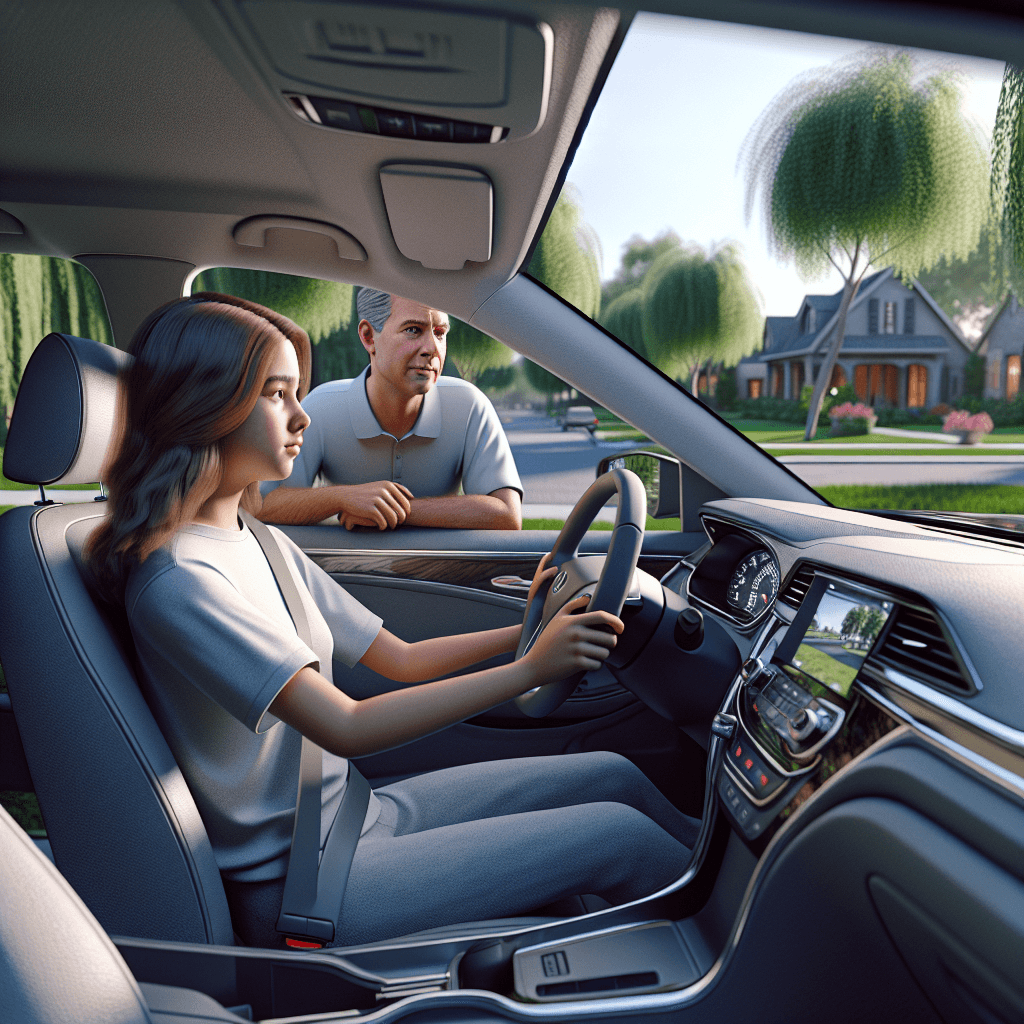
Your teen just got their learner's permit in Pennsylvania and you need to know whether to add them to your policy immediately or wait until the full license. The answer affects both your coverage and your wallet.
Do You Need to Add a Learner's Permit Driver to Your Pennsylvania Policy?
Yes. Pennsylvania requires you to notify your insurance carrier within 30 days of your teen receiving a learner's permit, even if they won't drive alone for months. This isn't optional. If your teen is in an accident during a supervised drive and you haven't added them to the policy, your carrier can deny the claim entirely.
Most parents assume coverage starts when the teen gets a junior license. That's wrong. The clock starts at permit issuance. The supervised drive requirement under Pennsylvania's graduated licensing system doesn't exempt you from this rule. Your teen is a household member of driving age, and Pennsylvania law treats that as a coverage trigger.
The premium impact during the permit period varies by carrier. Some insurers offer zero-premium placeholder coverage for permit holders who aren't yet licensed to drive independently. Others charge the full teen driver surcharge immediately. You have to ask for the placeholder rate explicitly. Carriers don't volunteer it.
What Happens If You Don't Add Your Teen Until the Junior License?
Your carrier can deny coverage for any accident that occurs during a supervised permit drive, leaving you personally liable for all damages. Pennsylvania minimum liability limits are $15,000 per person and $30,000 per accident for bodily injury. If your unlisted teen causes an accident that injures multiple people or totals another vehicle, you're paying out of pocket.
Beyond the accident scenario, failing to disclose a household member of driving age is considered material misrepresentation. If the carrier discovers the omission later, they can retroactively void your policy or non-renew you at the next term. That non-renewal follows you. Applying for new coverage after a policy cancellation for misrepresentation puts you in the high-risk market, where premiums are 40 to 80 percent higher than standard rates.
The penalty isn't worth the delayed premium increase. Adding your teen at permit issuance and asking for permit-holder placeholder coverage costs you nothing or very little now, and it keeps your policy valid.
See what adding a teen driver actually costs in your state
Compare quotes from carriers that offer good student discounts — most parents find savings they didn't know were available.
Get Your Free Quote✓ Good Student Discounts✓ No Obligation✓ Licensed Carriers✓ All 50 States
How Much Does Adding a Teen Learner's Permit Holder Cost in Pennsylvania?
If your carrier offers permit-holder placeholder coverage, the cost is typically zero to $15 per month until your teen receives their junior license. Once the junior license is issued, the full teen driver surcharge applies. That surcharge ranges from $150 to $300 per month depending on your current premium, the vehicle your teen will drive, and your coverage limits.
Carriers that don't offer placeholder coverage charge the full teen surcharge immediately at permit issuance. This means you could pay $1,800 to $3,600 annually for a driver who can only operate a vehicle under direct supervision. The difference between carriers on this single policy feature can cost you $2,000 over the 6-month permit period.
Call your carrier before your teen applies for the permit. Ask specifically: Do you offer reduced-rate or zero-premium coverage for learner's permit holders who are not yet licensed to drive independently? If the answer is no, get quotes from carriers who do before the permit is issued. Switching carriers after the permit is in hand triggers the disclosure requirement immediately, and you lose negotiating leverage.
What Information Does Your Carrier Need When Adding a Permit Holder?
You'll need your teen's full legal name, date of birth, learner's permit number, and permit issuance date. Some carriers also ask for the vehicle your teen will primarily drive during supervised practice, even though they're not yet assigned a specific vehicle on the policy.
If your teen has completed a state-approved driver training course before getting the permit, tell the carrier immediately. Pennsylvania-approved driver training courses qualify your teen for a discount that ranges from 5 to 15 percent depending on the carrier. The discount applies the moment they're added to the policy, not when they complete the course. If they finish training after you add them, submit proof of completion within 30 days to apply the discount retroactively.
Carriers won't ask you to designate whether the permit holder will drive a 2015 Honda Civic or a 2022 BMW at this stage, but the choice matters. Assigning your teen to the lowest-value vehicle in your household when they get their junior license reduces the collision and comprehensive premium significantly. Plan the vehicle assignment now, before the junior license arrives.
Does Pennsylvania Require Proof of Insurance for a Learner's Permit?
No. The Pennsylvania Department of Transportation does not require proof of insurance to issue a learner's permit. Your teen can obtain the permit without an insurance card. But Pennsylvania law does require you to maintain liability coverage on all household vehicles, and it requires you to disclose all household members of driving age to your carrier.
This creates a gap most parents miss. The state doesn't verify coverage at permit issuance, so parents assume they can wait to add the teen. The carrier's policy contract, however, requires immediate disclosure. You're bound by the contract terms, not the PennDOT permit application process.
When your teen applies for a junior license after holding the permit for 6 months, PennDOT does require proof of insurance at that stage. If you haven't added your teen to the policy by then, you'll need to do so before the junior license appointment. Waiting until that moment means you've been uninsured for every supervised drive during the permit period.
How Does the Good Student Discount Apply to Permit Holders?
Most Pennsylvania carriers allow you to apply the good student discount immediately when adding a permit holder, as long as your teen meets the GPA requirement. The standard threshold is a 3.0 GPA or higher, and you'll need to submit a recent report card or transcript as proof. The discount typically reduces the teen surcharge by 10 to 25 percent, which translates to $180 to $600 in annual savings.
The discount isn't automatic. You have to request it and provide documentation. Some carriers require proof at the time you add the teen to the policy. Others allow a 30-day submission window after the teen is added. Missing that window means you lose the discount until the next policy renewal, which could be 6 months away.
If your teen is homeschooled or enrolled in a non-traditional program, ask your carrier what documentation they accept. Some insurers accept standardized test scores, GED results, or letters from homeschool program administrators in place of a traditional report card. The eligibility rules vary by carrier, and the customer service representative won't always know the homeschool policy without checking underwriting directly.
What Happens When Your Teen Moves from a Permit to a Junior License?
The full teen driver surcharge applies the day your teen receives their junior license in Pennsylvania. If you've been paying placeholder permit-holder rates, expect your premium to increase by $150 to $300 per month at the next billing cycle. The carrier recalculates your premium based on your teen now being a rated driver with independent driving privileges.
You must notify your carrier within 30 days of the junior license issuance. Some carriers monitor state DMV records and will update your policy automatically, but don't rely on this. If the carrier updates your policy and discovers your teen has been driving on a junior license for weeks without notification, they can apply the surcharge retroactively and charge you for the coverage gap.
This is the moment to verify every available discount is applied: good student, driver training, telematics program enrollment if offered. The junior license phase is when the premium hurts most. Stacking discounts can reduce the surcharge by 25 to 40 percent, which is the difference between a $200 monthly increase and a $120 monthly increase.