Adding a teen driver to your Pennsylvania auto policy typically increases your annual premium by $2,100–$3,800, but Pennsylvania's mandated good student discount and driver training credit can reduce that spike by 20–35% if you know exactly how to stack them.
What Adding a Teen Driver Costs in Pennsylvania
The average annual premium increase for adding a 16-year-old driver to a parent's Pennsylvania policy ranges from $2,100 to $3,800, depending on the carrier, coverage level, and whether the teen drives a newer or older vehicle. A parent paying $1,400/year for their own full coverage policy should expect their total premium to jump to $3,500–$5,200 annually once the teen is added — that's roughly $175–$435/month for the household.
The cost is highest in the first year of licensure and typically decreases 10–15% at age 17, another 10–20% at 18, and continues dropping through age 25 as the driver builds a clean record. Philadelphia-area parents often see the high end of this range due to higher base rates in densely populated counties, while rural Pennsylvania counties like Centre or Clarion tend toward the lower end.
Pennsylvania's graduated driver licensing (GDL) program doesn't directly reduce premiums, but it does limit when and with whom a teen can drive during the learner's permit and junior license phases. Carriers don't offer discounts specifically for GDL compliance — it's simply the legal framework all teen drivers operate within — but parents should understand that violations of GDL restrictions (like driving past 11 p.m. during the junior license phase) can result in both license suspension and a surcharge that increases premiums by 20–40% for three to five years.
Pennsylvania's Mandated Good Student Discount and How to Keep It Active
Pennsylvania law requires all auto insurers to offer a good student discount to drivers under age 25 who maintain at least a B average or equivalent GPA. This isn't optional for carriers — it's mandated under 75 Pa.C.S. § 1799.5. The discount typically reduces the teen portion of the premium by 15–25%, which translates to $300–$700 in annual savings for most families.
What the law doesn't standardize is how often carriers require proof or what documentation they accept. Some carriers ask for transcripts or report cards once at policy inception and never again. Others require renewal every six months or annually, and if you miss the deadline, the discount is quietly removed mid-policy. You won't receive a warning — you'll just see the premium increase on your next bill. Parents should confirm with their carrier exactly when proof is required and set a calendar reminder for two weeks before each deadline.
Acceptable proof typically includes official school transcripts, report cards showing GPA, or letters from the school registrar. Homeschooled students can usually submit standardized test scores or documentation from an accredited homeschool program. If your teen's GPA dips below the threshold temporarily, ask your carrier whether you can requalify at the next grading period rather than losing the discount for the full policy term.
See what adding a teen driver actually costs in your state
Compare quotes from carriers that offer good student discounts — most parents find savings they didn't know were available.
Get Your Free Quote✓ Good Student Discounts✓ No Obligation✓ Licensed Carriers✓ All 50 States
Driver Training Discounts and Telematics Programs
Pennsylvania does not legally require driver education for licensure, but completing an approved driver training course qualifies teens for an additional discount with most carriers — typically 5–15% off the teen portion of the premium. The course must be state-approved (listed on PennDOT's approved providers page) and include both classroom instruction and behind-the-wheel training. The discount usually applies for three years after course completion, then phases out.
Telematics programs — where the teen's driving is monitored via a smartphone app or plug-in device — offer the highest potential savings for families with cautious teen drivers. Programs like Nationwide's SmartRide, State Farm's Drive Safe & Save, and Progressive's Snapshot can reduce premiums by 10–30% based on safe driving behavior: smooth braking, limited night driving, no hard acceleration, and adherence to speed limits. The monitoring period is typically 90 days to six months, after which the discount is locked in for the policy term.
The risk is that poor driving behavior can result in a smaller discount or none at all — but it won't increase your rate above the baseline. For parents of genuinely cautious teens, telematics programs are one of the few ways to let actual behavior override the actuarial risk profile of a 16-year-old. If your teen regularly violates their junior license restrictions or drives aggressively, skip the telematics program and focus on the good student and driver training discounts instead.
Add to Parent Policy vs. Separate Policy for Pennsylvania Teens
Adding a teen to a parent's existing Pennsylvania policy is almost always cheaper than buying a standalone policy for the teen. A separate policy for a 16- or 17-year-old typically costs $4,500–$8,000 annually for minimum liability coverage, compared to the $2,100–$3,800 increase when added to a parent's multi-vehicle policy. The parent's multi-car discount, good driver history, and bundled home/auto discounts all apply to the household premium, which a standalone teen policy cannot access.
The only scenario where a separate policy makes financial sense is when the parent has a severely compromised driving record — multiple at-fault accidents or a DUI within the past five years — and the teen has completed driver training, maintains good grades, and will be driving an older vehicle with liability-only coverage. In that narrow case, the teen might qualify for a lower rate on their own, particularly with carriers that specialize in non-standard or young driver policies.
For families with multiple vehicles, assign the teen as the primary driver of the least expensive, safest vehicle in the household. Insurers rate the teen based on the vehicle they drive most often, and assigning them to a 10-year-old sedan with good safety ratings costs significantly less than listing them on a newer SUV or any vehicle with high horsepower. If you're considering buying a car specifically for the teen, choose a model that appears on the Insurance Institute for Highway Safety's (IIHS) list of best used vehicles for teens — these are selected for crashworthiness, crash avoidance features, and lower repair costs, all of which translate to lower premiums. insurance for teen drivers with violations
Coverage Levels for Teen Drivers: Liability vs. Full Coverage
Pennsylvania requires minimum liability coverage of 15/30/5 — $15,000 per person for bodily injury, $30,000 per accident, and $5,000 for property damage. These limits are dangerously low, especially for a teen driver who is statistically more likely to cause a serious accident. If your teen causes an accident that injures another driver and the medical bills exceed $15,000, you are personally liable for the difference, and creditors can pursue your assets, including home equity and savings.
For teen drivers on a parent's policy, raising liability limits to 100/300/100 typically adds only $150–$300 annually to the household premium — a small cost relative to the financial exposure. Parents with significant assets should consider even higher limits or a standalone umbrella policy, which provides an additional $1 million in liability coverage for $150–$300/year and applies across all household vehicles.
Collision and comprehensive coverage are optional in Pennsylvania unless the vehicle is financed or leased. If your teen drives a vehicle worth less than $3,000–$4,000, paying for collision coverage often doesn't make financial sense — the annual premium for collision may exceed the vehicle's actual cash value, and you'll still pay a deductible (typically $500–$1,000) before the insurer pays anything. For newer or financed vehicles, full coverage is required by the lender and necessary to protect your investment, but choose the highest deductible you can afford to pay out-of-pocket to keep monthly premiums manageable.
Distant Student Discount for College-Bound Pennsylvania Teens
If your teen attends college more than 100 miles from home and does not take a vehicle to campus, most Pennsylvania carriers offer a distant student discount of 10–35%. The student must be listed on your policy but designated as an occasional driver with no regular access to a household vehicle. You'll need to provide proof of enrollment and confirm the school's distance from your primary residence.
The discount applies as long as the student meets the mileage and no-vehicle criteria, but it's removed immediately if the student brings a car to campus or transfers to a school within 100 miles of home. Some carriers require annual recertification at the start of each academic year, so calendar this along with your good student discount documentation.
For students who do take a vehicle to campus, notify your insurer of the garaging address change — the vehicle is now rated based on the campus zip code, which may be higher or lower than your home location depending on the area's accident and theft rates. Philadelphia students attending rural Pennsylvania colleges may see a decrease; students from rural areas attending urban schools like Temple or Pitt may see an increase.
How Pennsylvania's Graduated Licensing Law Affects Coverage Timing
Pennsylvania's GDL system requires teens to hold a learner's permit for at least six months before applying for a junior license, and the junior license carries restrictions until age 18: no more than one non-family passenger under 18 unless accompanied by a parent, and no driving between 11 p.m. and 5 a.m. except for work, school, or emergencies. These restrictions don't lower premiums, but they do affect when you need to add the teen to your policy.
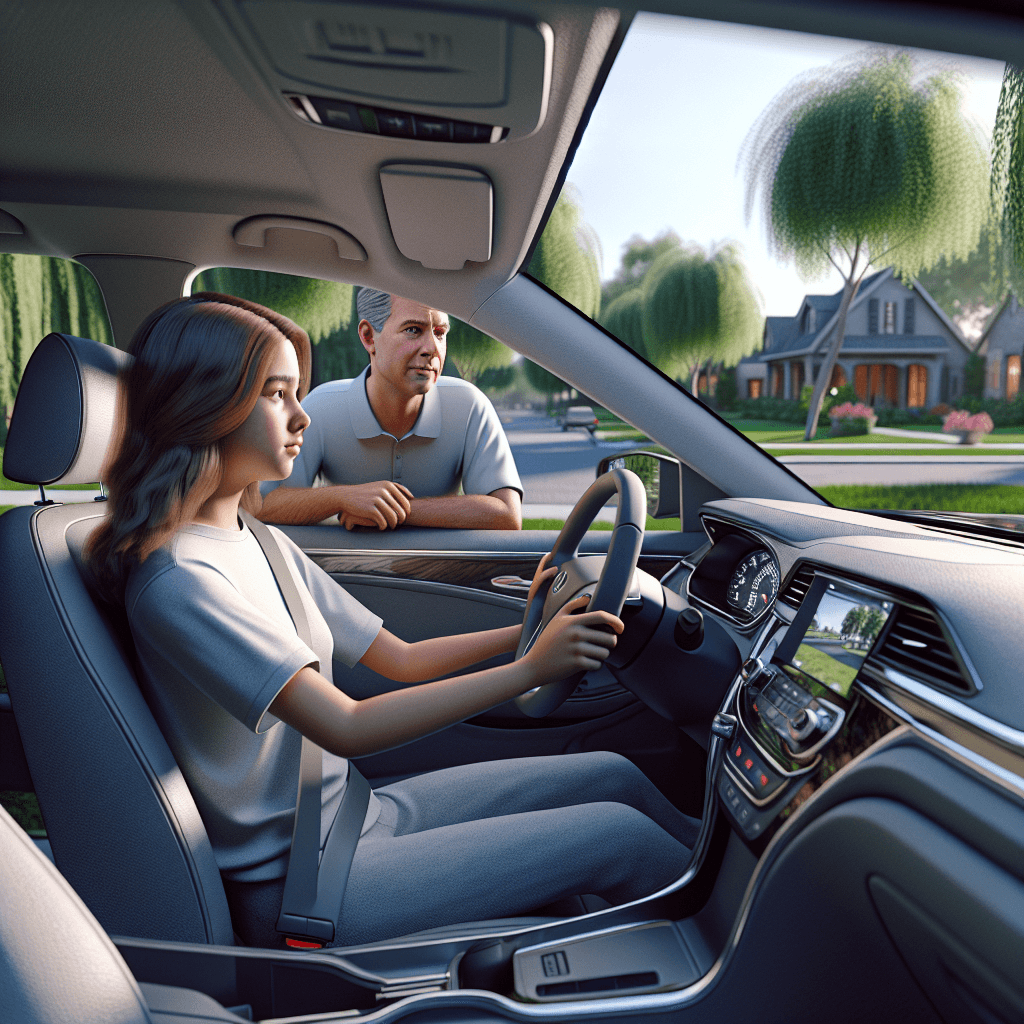
During the learner's permit phase, the teen must be accompanied by a licensed driver age 21 or older at all times. Most carriers do not require you to add a permit holder to your policy if they are only driving under direct supervision, but some do — check your policy language or call your agent to confirm. If an accident occurs while your permit-holding teen is driving your vehicle, your policy's liability and collision coverage will respond whether the teen is formally listed or not, but failing to disclose a household member of driving age can give the carrier grounds to deny a claim.
Once the teen receives a junior license and begins driving independently — even under GDL restrictions — you must add them to your policy immediately. Waiting until after the first solo trip exposes you to coverage gaps and potential claim denials. The premium increase takes effect on the date the teen is added, not the date they receive the license, so if you add them mid-policy term, expect a prorated bill for the remainder of the term plus the new higher premium at renewal.