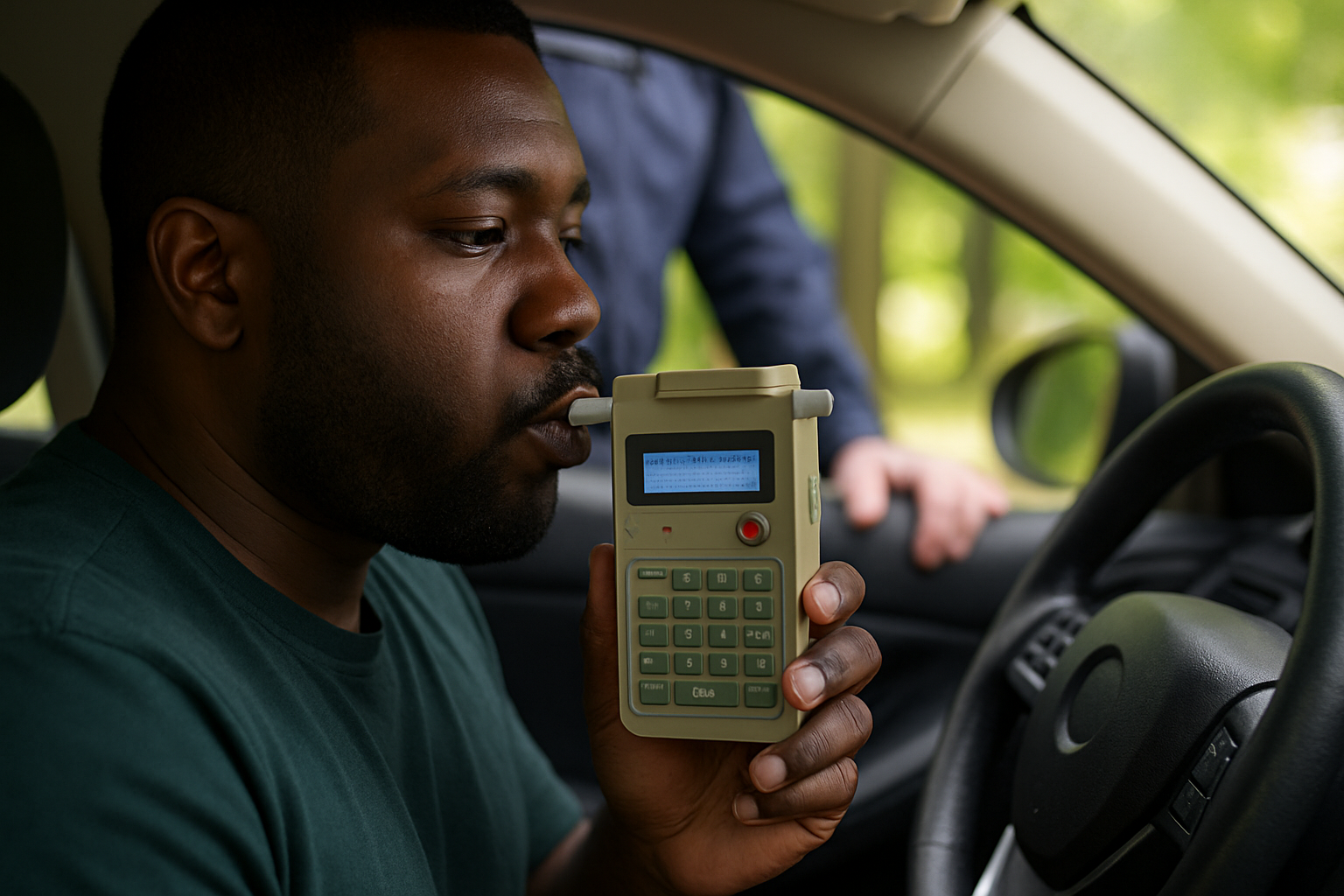
Your teen's DUI, reckless driving, or license suspension doesn't just affect their record — it can trigger an SR-22 requirement that reshapes your entire family's coverage options, costs, and carrier eligibility for the next three years.
What an SR-22 Requirement Actually Means for Your Family Policy
An SR-22 isn't insurance — it's a certificate of financial responsibility that your insurance carrier files with your state's DMV to prove your teen maintains continuous coverage after a serious violation. States require SR-22 filings after DUI convictions, reckless driving charges, driving without insurance, or multiple at-fault accidents within a short period. The filing itself costs $15–$50, but the insurance attached to it will increase your family's annual premium by $800–$3,500 depending on the violation severity, your state, and whether your current carrier will even keep you.
Here's what most parents miss: the SR-22 filing attaches to the policy, not just the driver. If your 17-year-old receives a DUI and needs an SR-22, and they're listed on your family policy, that SR-22 requirement stays with your policy for the full mandated period — typically three years in most states, but one year in some and up to five years in others. Even if your teen goes to college 500 miles away and qualifies for the distant student discount, even if they get their own separate policy, the SR-22 filing must remain active on whichever policy lists them as a covered driver until the state releases the requirement.
The immediate impact: many standard carriers — the ones offering competitive rates and stacking discounts like good student, driver training, and multi-car — will non-renew your policy once an SR-22 filing appears. They'll send a non-renewal notice 30–60 days before your policy expires, and you'll need to find coverage elsewhere. You're now shopping in the high-risk or non-standard insurance market, where rates for the entire family can double or triple, and the discount programs you relied on to manage the cost of adding your teen no longer exist. liability coverage limits
The Add-to-Parent-Policy vs Separate-Policy Decision After an SR-22
Before an SR-22 requirement, the standard advice is clear: keeping your teen on your family policy is almost always cheaper than getting them a separate policy, typically saving $2,000–$4,000 annually. After an SR-22, that calculus reverses in most cases.
If you keep your teen on your family policy with the SR-22 filing attached, you're moving your entire household into the high-risk market. Your premium for all vehicles increases. Your 45-year-old spouse with a clean record now pays high-risk rates. Your own long-standing safe driver discount disappears. The total family policy cost might jump from $2,400/year to $6,000–$8,000/year for the SR-22 period. Your current carrier may non-renew, forcing you to shop among non-standard carriers like The General, Bristol West, or Acceptance Insurance — companies that specialize in high-risk drivers but charge accordingly and offer limited discounts.
The alternative: get your teen a separate non-owner SR-22 policy if they don't own a vehicle, or a separate standard policy with SR-22 filing if they do. A non-owner SR-22 policy provides liability-only coverage and satisfies the state's SR-22 requirement without insuring a specific vehicle — useful if your teen's license is suspended and they're not actively driving, or if they'll only drive occasionally. Non-owner SR-22 policies typically cost $400–$900/year. If your teen owns a vehicle or drives regularly, they'll need a standard policy with full coverage if the vehicle is financed, or at minimum your state's required liability limits. That separate teen policy with SR-22 might cost $3,600–$6,000/year depending on the violation and state.
The math: paying $4,500/year for your teen's separate SR-22 policy while keeping your family policy at $2,400/year costs $6,900 total. Moving everyone to a high-risk family policy at $7,500/year costs more, eliminates your coverage continuity with your current carrier, and affects your entire household's insurance record. In most scenarios, the separate policy approach costs less and contains the damage. full coverage decisions your state's specific requirements
State-Specific SR-22 Requirements and How Long Your Family Stays Affected
SR-22 duration varies significantly by state, and the clock doesn't start until the filing is active — which means any lapse in coverage during the SR-22 period resets the entire timeline. California requires SR-22 filings for three years after a DUI or driving without insurance conviction. Florida requires three years for most violations. Virginia requires three years for DUI but only one year for some suspended license scenarios. Illinois requires three years for most serious violations. Texas typically requires two years.
The critical detail most parents miss: if your teen's policy lapses for even one day during the SR-22 period — because a payment failed, because you thought the requirement had ended, because your teen didn't understand the consequences of switching carriers without maintaining continuous SR-22 filing — the insurance carrier is legally required to notify the state DMV immediately. The state then suspends your teen's license, often adds additional suspension time, and restarts the SR-22 requirement clock from zero. A three-year SR-22 requirement that lapses in month 34 becomes a new three-year requirement starting over.
Your state's Department of Motor Vehicles or Department of Insurance website will specify the exact SR-22 duration for different violation types. The SR-22 certificate itself includes the filing date and the state-mandated end date. Your insurance carrier can't release the SR-22 early — only the state can issue a release once the full period is satisfied and your teen maintains a clean record during that time. Some states issue an automatic release letter when the period ends; others require you to request it.
Once the SR-22 period ends and the state issues a release, your teen can move to standard insurance, and if they're still on your family policy, you can re-shop among standard carriers and reclaim the competitive rates and discount eligibility you lost. But until that release arrives, you're locked in.
How SR-22 Affects Discount Eligibility and Coverage Decisions
The good student discount, driver training discount, and telematics programs that normally reduce a teen driver's premium by 25–40% become largely irrelevant once an SR-22 filing appears. Most non-standard carriers that accept SR-22 drivers don't offer these discounts at all, or offer minimal versions — a 5% good student discount instead of the 15–25% you'd get from a standard carrier. The same applies to multi-car, multi-policy, and safe driver discounts for the rest of your family if the SR-22 moves everyone to a high-risk policy.
Coverage decisions also shift. Before an SR-22, the standard advice for a teen driving an older paid-off vehicle is to consider dropping collision and comprehensive coverage and carrying liability-only, saving $600–$1,200/year. After an SR-22, you're already paying high-risk rates, and the difference between liability-only and full coverage on a high-risk policy is often smaller in percentage terms — the base rate is so high that adding collision and comprehensive might only increase the premium by 20–30% instead of doubling it. If your teen is driving a vehicle worth $8,000–$12,000, keeping collision coverage with a $1,000 deductible might make sense during the SR-22 period because one at-fault accident would be financially catastrophic on top of the existing SR-22 consequences.
Liability limits matter more after an SR-22. Your teen has already demonstrated high-risk behavior in the state's view. Carrying only your state's minimum liability limits — often $25,000/$50,000 in bodily injury coverage — leaves your family exposed if your teen causes a serious accident during the SR-22 period. Increasing to $100,000/$300,000 limits, or adding umbrella coverage if your teen is on your family policy, costs more but protects your assets. The rate increase for higher limits on a high-risk policy is typically 15–25%, which translates to $600–$1,200 more per year but provides substantially more protection during a period when your teen is statistically more likely to be involved in another incident.
What Happens When the SR-22 Period Ends and How to Rebuild Coverage
The SR-22 requirement ends when your state's DMV issues a release, confirming your teen maintained continuous coverage and satisfied the mandated filing period. Most states send this release automatically; some require you to request it from the DMV. Once you receive the release, your teen is no longer classified as high-risk solely due to the SR-22 — though the underlying violation (DUI, reckless driving, multiple accidents) remains on their driving record for 3–5 years depending on your state and continues to affect rates.
At the SR-22 release point, you can re-shop for standard insurance. If your teen has remained violation-free during the SR-22 period, standard carriers will quote you again, and rates drop significantly — often by 40–60% compared to the high-risk SR-22 policy rates. A teen who was paying $450/month ($5,400/year) during the SR-22 period might drop to $200–$250/month ($2,400–$3,000/year) once the SR-22 is released, even with the original violation still on record. If your entire family moved to a high-risk policy because the teen stayed on your coverage, this is the point to move everyone back to a standard carrier and reclaim your discount eligibility.
The good student discount becomes valuable again. If your teen is now 19–20 years old, still in school, and maintaining a 3.0 GPA or better, that discount — which was unavailable or minimal during the SR-22 period — can now reduce their premium by 15–25% with most standard carriers. The same applies to telematics programs: a teen who demonstrates safe driving behavior through a monitoring app can earn 10–30% discounts that weren't offered by the non-standard SR-22 carrier.
One strategic consideration: if your teen is approaching their 20th or 21st birthday when the SR-22 period ends, and they've remained violation-free, their rate decrease will be even more pronounced. Teen driver rates drop significantly at ages 19, 21, and 25 as actuarial risk decreases. Timing the SR-22 release with these age milestones — if possible — maximizes your rate reduction. If the SR-22 release happens at age 20 and your teen has been violation-free, you're re-entering the standard market at a point where age-based rate decreases are already beginning, compounding the savings from SR-22 release.
Preventing SR-22 Requirements and Managing Risk Before a Violation
The best SR-22 strategy is avoiding one entirely, which means parents need to have specific conversations with teen drivers about the violations that trigger SR-22 filings and the financial consequences that follow. DUI and reckless driving are the most common SR-22 triggers for teen drivers. In most states, a first-offense DUI for a driver under 21 results in license suspension, SR-22 requirement, and potential ignition interlock device mandates — plus the $800–$3,500 annual insurance increase for three years, totaling $2,400–$10,500 in added insurance costs alone over the SR-22 period.
Driving without insurance or letting coverage lapse also triggers SR-22 in many states. If your teen gets their own policy and misses a payment, or if they assume they're still covered under your policy when they're not, a traffic stop can result in an uninsured driver citation, license suspension, and SR-22 requirement. This is particularly common when teens turn 18–19, move out, and don't fully understand that they need active coverage to legally drive. Setting up automatic payments and calendar reminders for policy renewals prevents lapses.
Multiple at-fault accidents or serious moving violations within 12–24 months can also trigger SR-22 in some states, even without a DUI. If your teen has one at-fault accident, that's a rate increase but typically not an SR-22. Two at-fault accidents within 18 months, or one at-fault accident plus a speeding ticket 20+ mph over the limit, can push them into SR-22 territory in states with point-based systems. Monitoring your teen's driving record through your state DMV — most states offer online access — lets you see accumulating points and violations before they reach SR-22 thresholds.
Telematics programs serve double duty here: they reduce your current premium by 10–30% if your teen drives safely, and they provide objective data on driving behavior (hard braking, speeding, late-night driving) that lets you intervene before a violation occurs. If your teen's telematics app shows frequent hard braking events or consistent speeding, that's a leading indicator of collision risk and potential future violations — and an opportunity for a direct conversation before a ticket or accident happens.