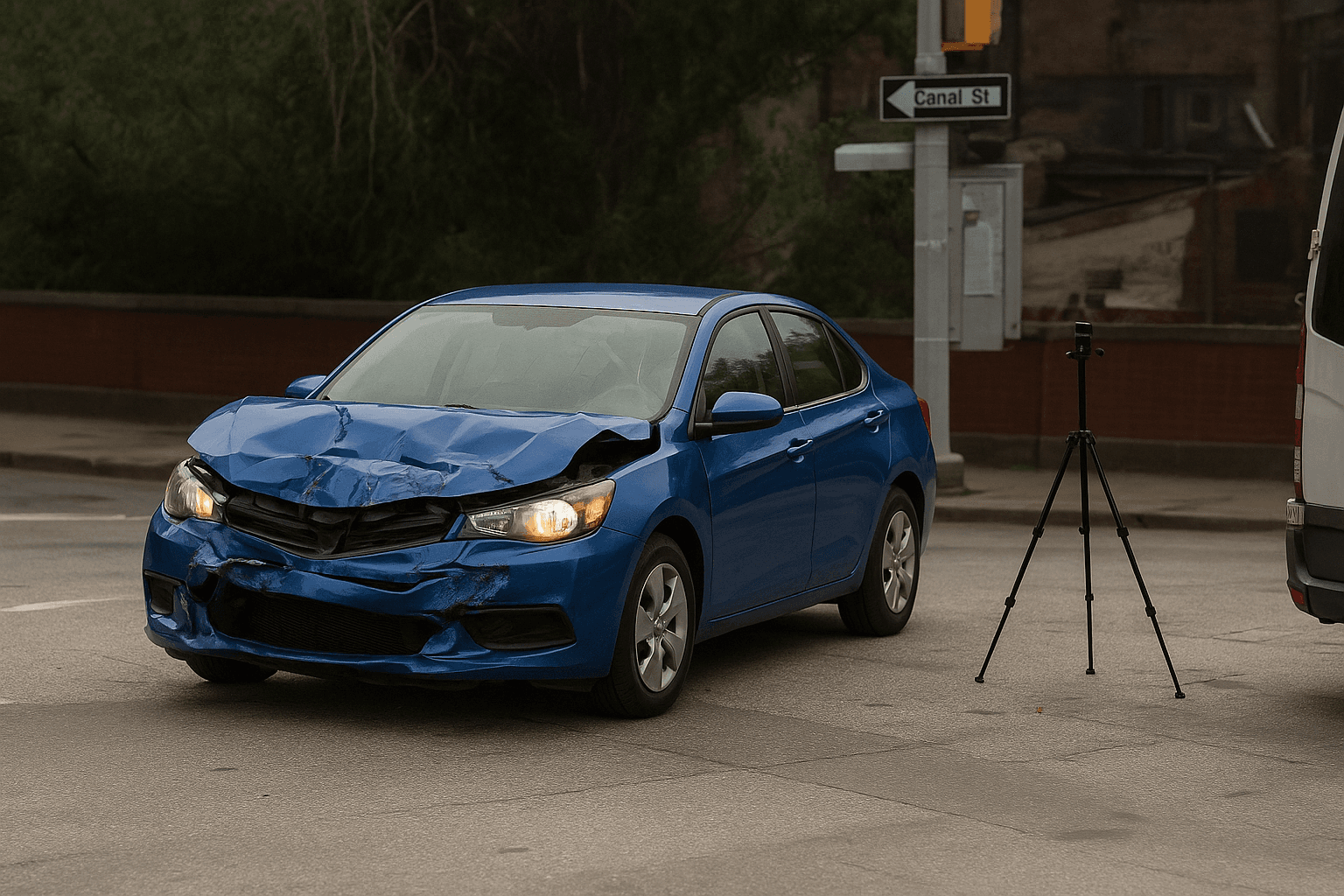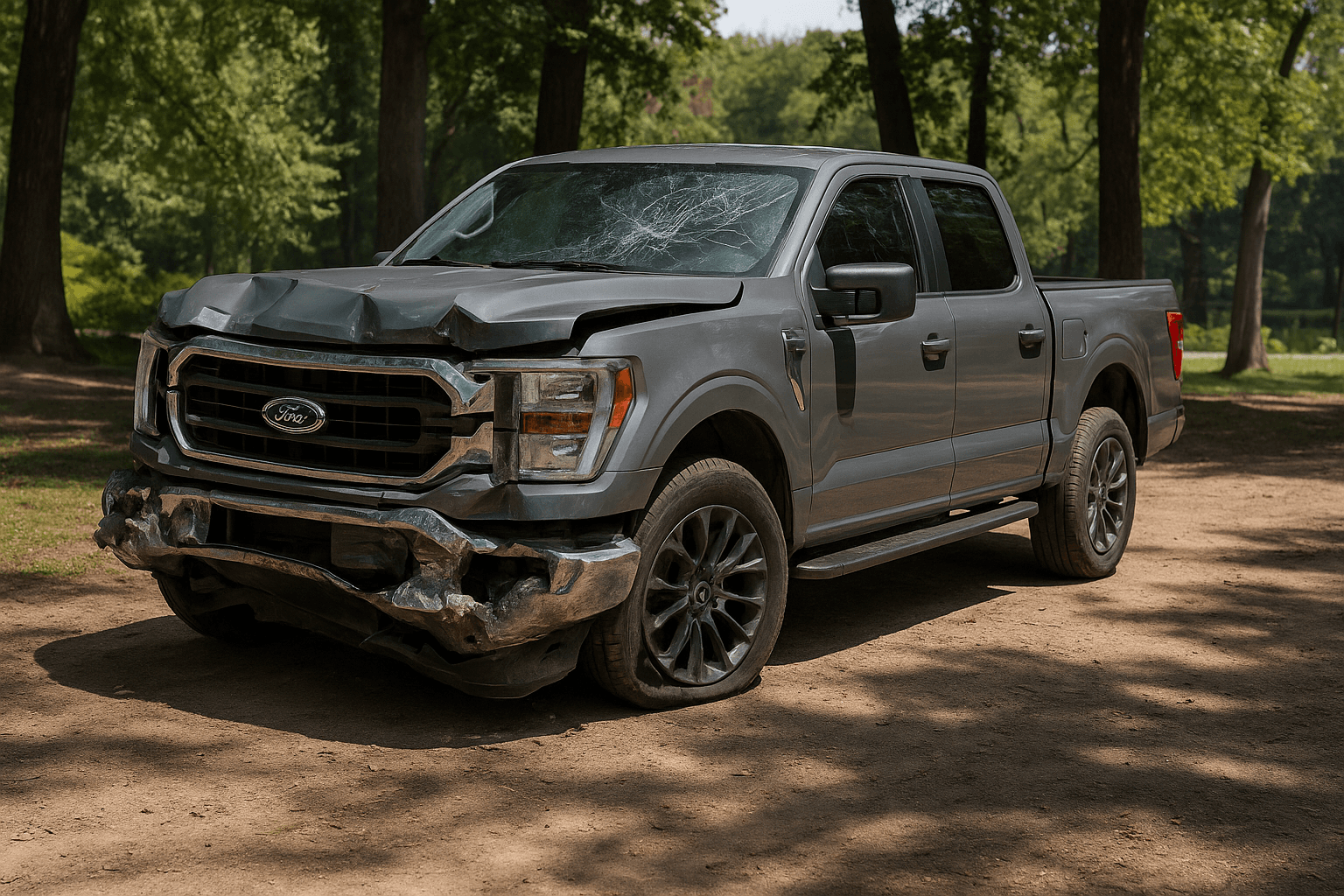
Your teen borrows a friend's car and backs into a mailbox or fence. The damage bill arrives, and now you're wondering whose insurance pays — theirs, yours, or the car owner's.
Whose Insurance Pays When Your Teen Damages Property in a Borrowed Car?
Your auto insurance policy pays first when your listed teen driver damages property while operating a borrowed vehicle. Liability coverage follows the driver, not the vehicle, in most liability-only property damage scenarios. The car owner's policy becomes secondary coverage, responding only if your liability limits are exhausted.
This matters most when the property damage exceeds your per-occurrence limit. If you carry your state's minimum liability and your teen causes $40,000 in fence and landscaping damage, your policy pays up to your limit, then the vehicle owner's policy covers the remainder. If your teen is explicitly listed on your policy, your carrier cannot deny the claim based on permissive use exclusions.
Parents who keep state minimum liability to control premium costs after adding a teen face the highest out-of-pocket risk in borrowed vehicle scenarios. A $25,000 property damage limit sounds adequate until your teen misjudges a turn and takes out a brick mailbox, wrought iron fence, and underground sprinkler system in a single incident.
Does the Vehicle Owner's Permission Change Who Pays?
Permission to borrow the vehicle does not shift primary liability to the car owner's policy. Your policy as the parent still pays first. The car owner's collision coverage repairs their own vehicle if damaged, but property damage liability — the coverage that pays the mailbox, fence, or building your teen hit — pulls from your policy limits before touching theirs.
Some parents assume that if the car owner gave explicit permission and knew a teen would be driving, the owner's policy becomes primary. That is not how liability coverage works in permissive use cases. The driver's insurance responds first. The vehicle policy is excess.
This sequence holds even when your teen borrows a vehicle regularly. If your 17-year-old borrows a neighbor's truck every weekend to drive to their job and causes property damage on the tenth trip, your liability coverage still pays the claim. Frequency of use does not convert the vehicle owner's policy into primary coverage.
See what adding a teen driver actually costs in your state
Compare quotes from carriers that offer good student discounts — most parents find savings they didn't know were available.
Get Your Free Quote✓ Good Student Discounts✓ No Obligation✓ Licensed Carriers✓ All 50 States
What Happens If Your Teen Isn't Listed on Your Policy?
If your teen is a licensed household member but not explicitly listed on your policy, most carriers will still cover the property damage claim under permissive use provisions, then non-renew your policy or require you to add the teen retroactively with a surcharge. A small number of carriers deny the claim outright if the household teen was deliberately excluded or if the parent falsely answered underwriting questions about household drivers.
The claim denial risk is highest in states that allow named driver exclusions. If you signed an exclusion form removing your teen from coverage to avoid the premium increase, your policy will not pay property damage caused by that teen in any vehicle. The car owner's policy would then respond as primary, but the vehicle owner can pursue you personally for their deductible, premium increase, and any damages exceeding their limits.
Carriers run MVR checks at renewal. If your teen obtained a license mid-policy and you did not report them as a household driver, the carrier discovers this at renewal, not at the time of the claim. That creates a 6-to-12-month window where parents mistakenly believe they have coverage. The property damage claim is the discovery event.
How Much Liability Coverage Do You Need With a Teen Driver?
Increase your property damage liability to at least $100,000 per occurrence when adding a teen driver, even if your state minimum is $10,000 or $25,000. Teen drivers have the highest property damage claim frequency of any age group due to depth perception errors, speed misjudgment, and distraction. A single incident involving a residential fence, mailbox, and landscaping routinely exceeds $30,000 in repair and replacement costs.
Parents with assets to protect should carry $250,000 to $500,000 in per-occurrence property damage liability or add an umbrella policy. The cost difference between state minimum liability and $250,000 coverage is typically $15 to $30 per month. The out-of-pocket cost of a single claim exceeding your limits is $10,000 to $50,000 plus legal defense costs if the property owner sues.
Most parents focus entirely on the bodily injury liability component when adding a teen and assume property damage is a minor exposure. That assumption breaks when your teen backs into a parked luxury vehicle, knocks over a utility pole, or damages a commercial storefront. Property damage liability is the coverage that pays before you write a personal check.
Does Your Policy Cover Damage to the Borrowed Vehicle Itself?
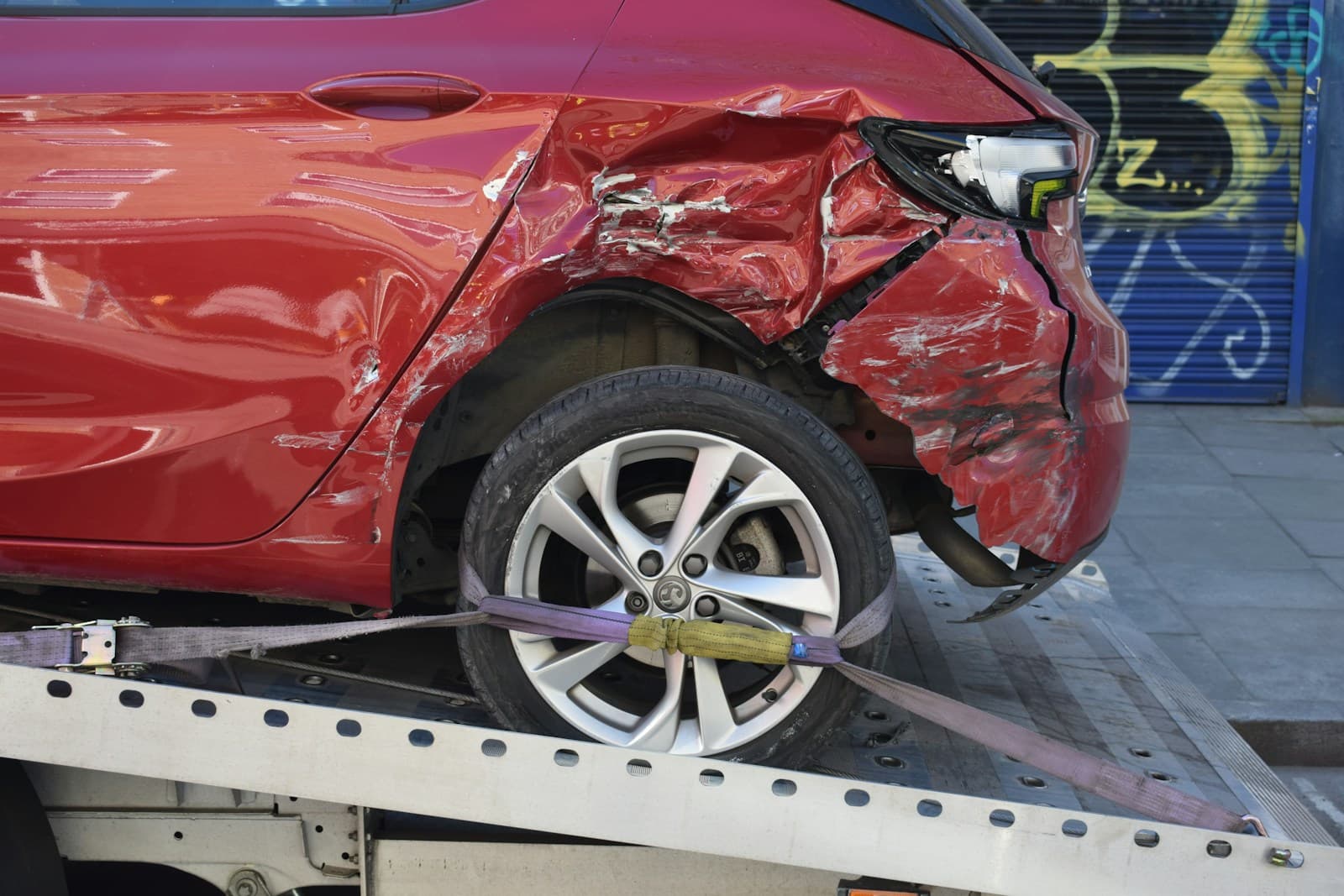
Your liability coverage does not pay to repair the borrowed vehicle your teen was driving. The car owner's collision coverage pays for that damage, subject to their deductible. If the vehicle owner does not carry collision coverage, they pay out of pocket or pursue you directly in small claims court.
Some parents mistakenly believe their policy's collision coverage extends to vehicles their teen borrows. It does not. Your collision coverage applies only to vehicles listed on your policy. The only exception is non-owned auto coverage, a commercial policy endorsement that does not appear on standard personal auto policies.
This creates an awkward situation when your teen borrows a friend's older vehicle with liability-only coverage and causes an at-fault accident. Your policy pays the property damage and any injuries to others. The friend's vehicle remains unrepaired unless the friend sues you personally for the vehicle value. That lawsuit risk is why many parents prohibit their teen from borrowing vehicles without collision coverage.
What Should You Do Immediately After a Property Damage Incident?
Report the incident to your insurance carrier within 24 hours even if your teen was driving a borrowed vehicle and even if the property damage seems minor. Late reporting gives carriers grounds to deny coverage based on policy terms requiring prompt notification. Take photos of all damaged property, the vehicle position, and any skid marks or debris before moving the vehicle.
Exchange information with the property owner and the vehicle owner if they are different people. Collect the property owner's name, phone number, and address, plus photos of the damaged fence, mailbox, landscaping, or structure. Do not admit fault or offer to pay out of pocket at the scene. Let your liability coverage respond as designed.
If the property owner threatens to call police or demands immediate payment, provide your insurance information and repeat that your carrier will handle the claim. Property damage incidents rarely result in citations unless the teen left the scene or the property owner believes the teen was impaired. Your role is documentation and notification, not negotiation.
Will This Claim Increase Your Premium More Because Your Teen Was Driving?
Yes. Property damage claims assigned to a teen driver increase your premium more than the same claim assigned to an adult driver on your policy. Carriers apply both an at-fault accident surcharge and a teen driver risk multiplier. Expect your premium to increase 20% to 40% at renewal after a property damage claim, with the surcharge remaining on your record for three to five years depending on the state.
The surcharge applies even if the claim payout was below your property damage liability limit. A $5,000 fence repair claim and a $35,000 multi-vehicle property damage claim both count as a single at-fault incident for surcharge purposes. The payout amount does not determine the surcharge percentage in most states.
Some parents consider paying small property damage claims out of pocket to avoid the surcharge. That strategy makes sense only when the property damage cost is less than one year's worth of the expected premium increase and you are certain no injuries or secondary claims will surface later. Once you report a claim, you cannot withdraw it to pay out of pocket. The claim enters your record whether your carrier pays or you reimburse them.