You just got the quote to add your teen to your policy and discovered the premium increase is nearly as much as the car is worth. Here's what coverage you actually need for an older vehicle and where you can cut without creating gaps.
Why the Premium Quote for Your Teen's Older Car Feels Wrong
The quote you just received to add your 16-year-old to your California policy probably showed a $2,400–$4,200 annual increase depending on your zip code and your teen's gender. That's $200–$350 per month. If your teen is driving a 2014 Honda Civic worth $6,500 or a 2012 Toyota Corolla worth $5,200, the collision and comprehensive portion of that premium is covering a depreciating asset that loses value every month.
California does not require collision or comprehensive coverage by law. The state mandates only liability: $15,000 per person for injury, $30,000 per accident, and $5,000 for property damage. If your teen's vehicle is paid off and worth less than $8,000, you can legally drop collision and comp and keep only the liability coverage required by the state plus uninsured motorist protection.
The calculation most parents miss: if your teen's six-month collision premium is $850 and the car is worth $5,500, one at-fault accident drops the vehicle's value below the deductible after the claim. You're paying collision premiums that approach the car's replacement value within 18 months. That's not insurance—it's prepaying for a loss that may never happen.
What Happens If You Drop Collision and Comprehensive on the Teen's Vehicle
You keep liability coverage at or above California's minimum requirements. Most parents with assets to protect choose $100,000/$300,000 or $250,000/$500,000 liability limits because a serious at-fault accident involving injury can generate six-figure claims. Liability coverage protects your assets if your teen is sued after causing an accident.
You also keep uninsured motorist coverage. California has an uninsured driver rate near 17%, one of the highest in the country. If an uninsured driver hits your teen and totals the car, uninsured motorist property damage coverage pays for your teen's vehicle up to your policy limit. Most carriers in California offer uninsured motorist property damage as an endorsement; the premium is typically $80–$150 per year, far less than collision coverage.
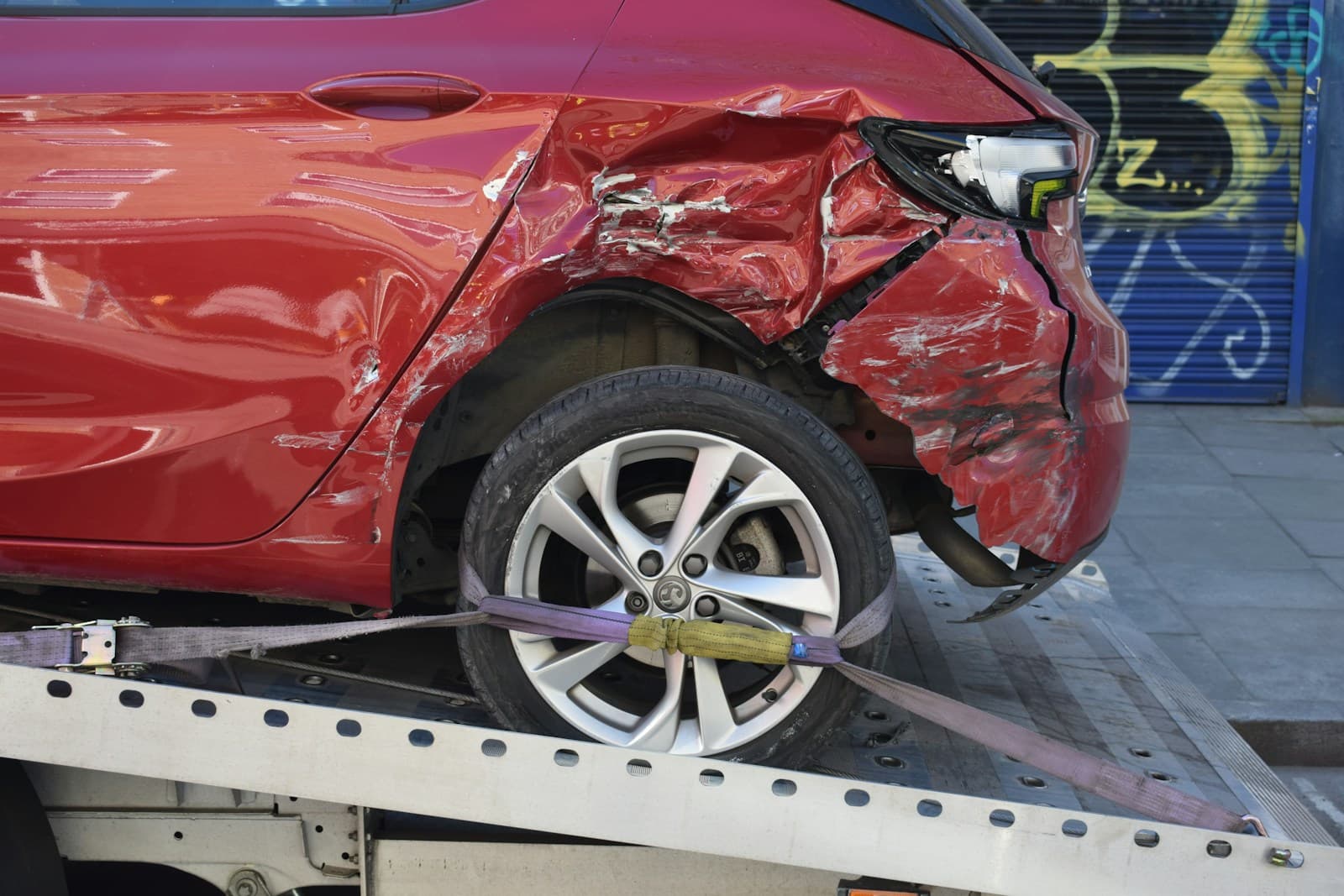
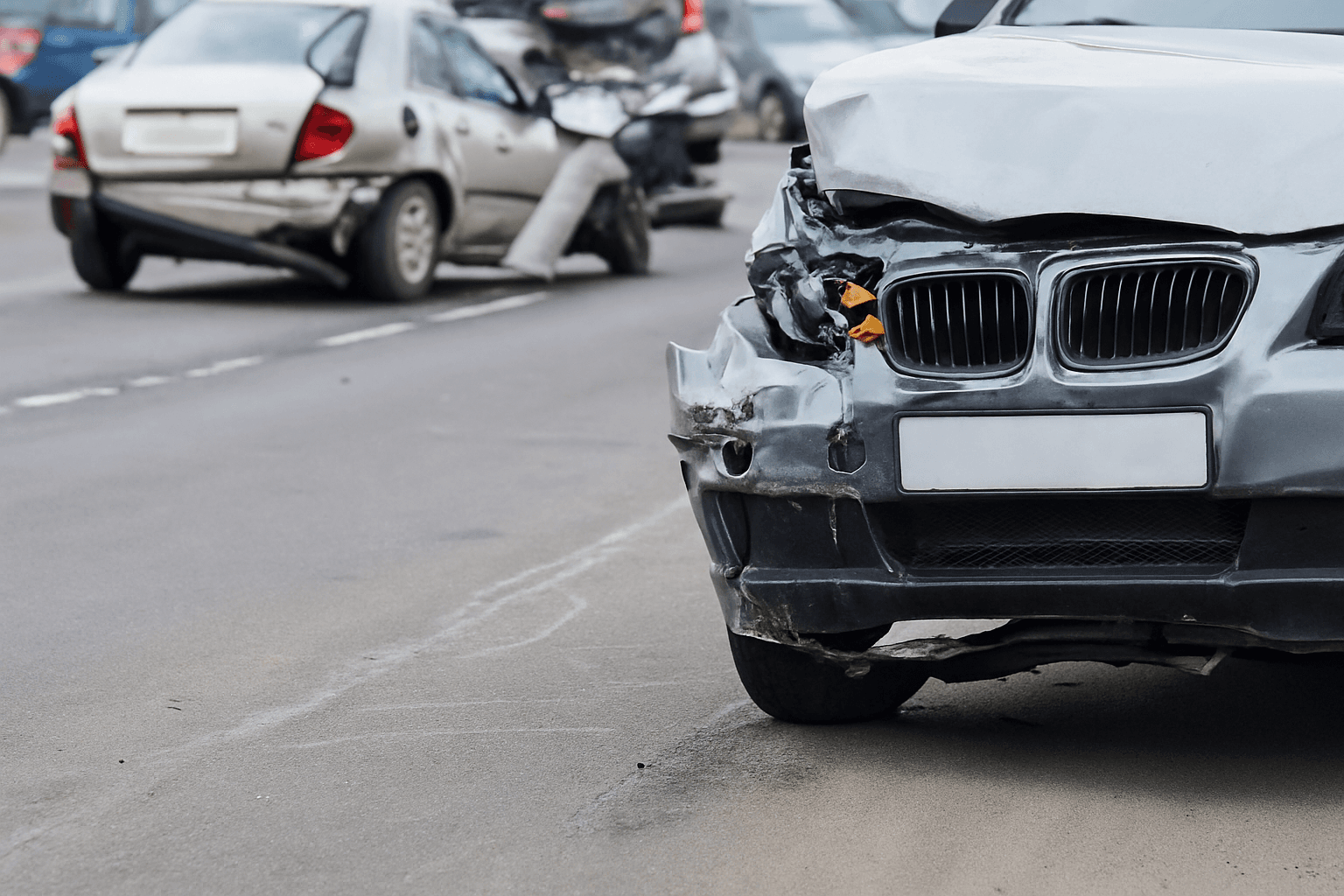
What you lose: coverage for damage your teen causes to their own vehicle. If your teen backs into a pole, slides into a curb, or causes an at-fault accident that totals the car, you pay out of pocket. For a $5,000 vehicle, that's a manageable loss for most families. For a $15,000 vehicle with a loan, dropping collision creates financial exposure.
See what adding a teen driver actually costs in your state
Compare quotes from carriers that offer good student discounts — most parents find savings they didn't know were available.
Get Your Free Quote✓ Good Student Discounts✓ No Obligation✓ Licensed Carriers✓ All 50 States
The Add-to-Parent-Policy vs Separate-Policy Decision for Older Vehicles
Adding your teen to your existing California policy almost always costs less than buying a separate policy in your teen's name. A standalone policy for a 16-year-old driving a 2013 Camry in California typically runs $4,800–$7,200 per year because the teen has no prior insurance history and no multi-policy or multi-vehicle discount to offset the young driver surcharge.
Adding the same teen to a parent policy with two vehicles already insured and a clean driving record typically increases the annual premium by $2,400–$4,500 depending on the coverage you select and the discounts you stack. The parent policy allows the teen to benefit from the household's existing loyalty discount, multi-vehicle discount, and good student discount if the teen maintains a 3.0 GPA or higher.
The separate policy scenario makes sense in two cases: the parent has a recent DUI or multiple at-fault accidents that have already pushed the household policy into high-risk territory, or the teen is over 18, living independently, and financially responsible for their own vehicle and coverage. For a 16- or 17-year-old living at home and driving a paid-off older car, adding them to the parent policy and dropping collision coverage on the teen's vehicle produces the lowest total cost.
How California's Graduated Licensing Laws Affect Coverage Timing
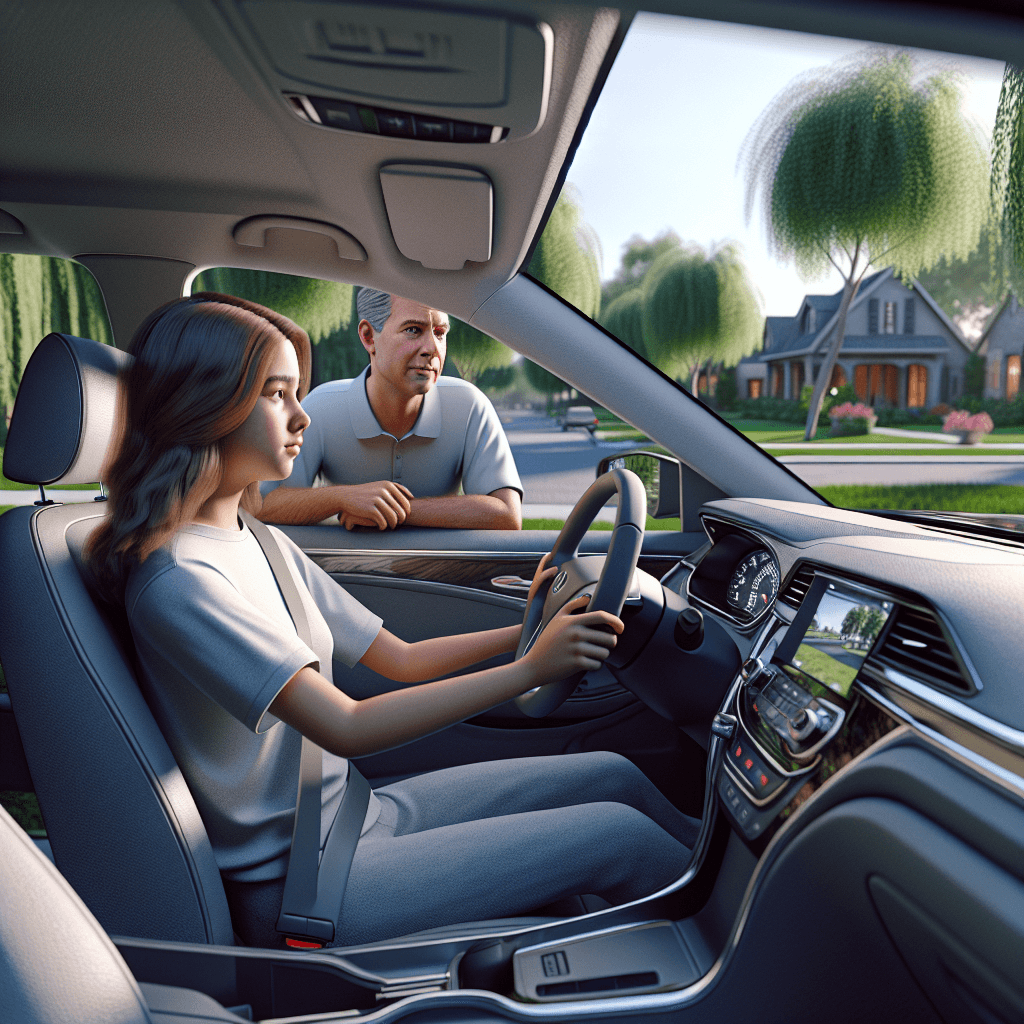
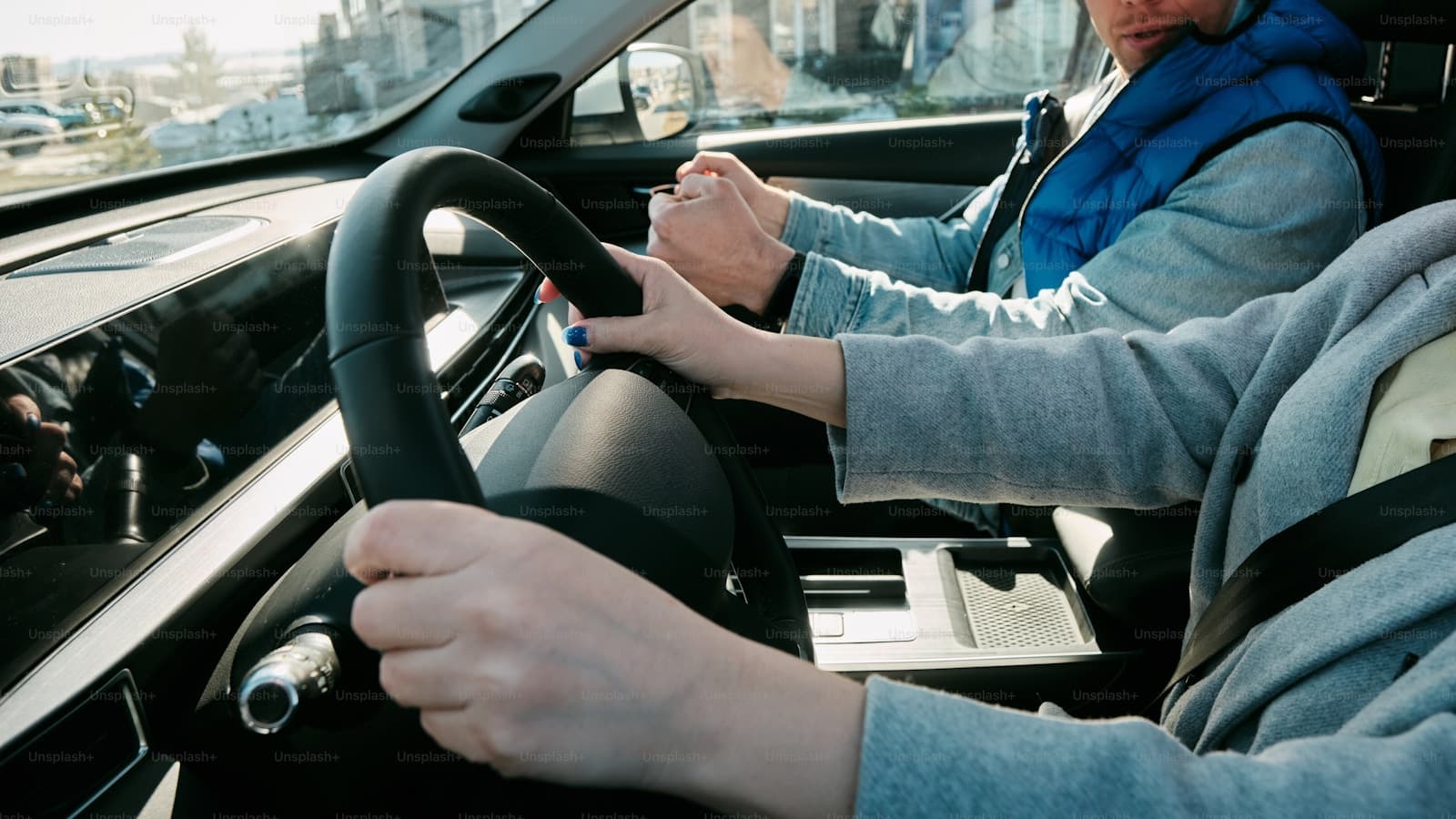
California issues a learner's permit at age 15½. Your teen can drive only with a licensed adult 25 or older in the front seat. Most carriers require you to add a permit holder to your policy immediately because the permit holder is a household member of driving age operating a household vehicle. Failing to add the permit holder voids coverage if an accident occurs during a supervised drive.
After holding the permit for six months and completing 50 hours of supervised driving including 10 hours at night, your teen can take the behind-the-wheel test and receive a provisional license. California's provisional license restricts your teen from driving between 11 p.m. and 5 a.m. for the first 12 months unless accompanied by a licensed adult, and prohibits passengers under 20 unless accompanied by a licensed adult for the first 12 months.
The provisional license restrictions do not reduce your insurance premium. Carriers price teen driver coverage based on age, gender, and vehicle assignment, not on the provisional license restrictions. The good student discount, driver training discount, and telematics programs are the only mechanisms that reduce the young driver surcharge during the provisional period.
Which Discounts Work Best for Teens Driving Older Vehicles in California
The good student discount is available from every major carrier writing in California and reduces the teen driver surcharge by 10–25% depending on the carrier. Your teen must maintain a 3.0 GPA or higher. Most carriers require you to submit proof at policy renewal: a report card, transcript, or honor roll certificate. Parents who forget to resubmit documentation at the annual renewal lose the discount mid-policy without notification.
Driver training completion reduces the surcharge by another 5–15% at most carriers if your teen completes a state-approved driver education course and behind-the-wheel training. California does not mandate driver training for teens, but every major carrier offers a discount for completion. You must submit the completion certificate when you add your teen to the policy.
Telematics programs offered by State Farm (Drive Safe & Save), Progressive (Snapshot), Allstate (Drivewise), and Nationwide (SmartRide) monitor braking, acceleration, speed, and time of day. Safe driving behavior documented through the telematics app can reduce the teen's portion of the premium by 10–30% after the initial monitoring period. For a teen driving an older paid-off vehicle with liability-only coverage, the telematics discount applies to the liability premium, which is the largest cost component once you've dropped collision and comp.
When Keeping Collision Coverage on an Older Car Still Makes Sense
If the vehicle is worth more than $10,000 and your teen is the primary driver, collision coverage protects against total loss in an at-fault accident. A 2016 Honda Accord worth $12,500 or a 2015 Mazda3 worth $11,000 represents enough value that replacing the vehicle out of pocket after an at-fault accident creates financial strain for most families.
If your teen drives in heavy traffic areas—Los Angeles, San Francisco, San Diego, Sacramento metro corridors—the probability of a minor at-fault accident during the first year of driving is significantly higher than in rural areas. Collision coverage with a $1,000 deductible on a $12,000 vehicle costs approximately $900–$1,400 per year for a teen driver depending on zip code. That's expensive, but one at-fault accident that totals the car makes the premium worth paying if you cannot afford to replace the vehicle.
If the vehicle has an active loan or lease, the lender requires collision and comprehensive coverage until the loan is paid off. You cannot drop collision on a financed vehicle regardless of the vehicle's age or value. The lender holds a lienholder interest in the vehicle and mandates full coverage as a condition of the loan.
The Coverage Decision You Can Revisit Every Six Months
Your California auto policy renews every six months. Every renewal is an opportunity to reassess whether collision and comprehensive coverage still make sense based on the vehicle's current value, your teen's driving record after six months, and whether any discounts have been added or lost.
If your teen completes the first six months with no accidents or violations and adds the good student discount at renewal, the collision premium drops by 10–20%. If the vehicle has depreciated from $7,500 to $6,200 during that period, the collision coverage may no longer be cost-effective.
Most parents start with full coverage when the teen first gets licensed, then drop collision at the first or second renewal after confirming the teen drives safely and the vehicle's value has continued to decline. That's a reasonable approach. You're not locked into the coverage election you made when your teen was 16 and had zero experience.