Your teen just got licensed and you're considering letting them drive the paid-off 2012 sedan sitting in the driveway. Here's what coverage you actually need versus what dealers and carriers will try to sell you.
Why the 10-Year-Old Car Changes Your Coverage Decision
A 2014 or older vehicle in average condition is typically worth $3,000–$8,000. If collision and comprehensive coverage on that vehicle costs $600–$1,200 annually with the teen driver surcharge, you're paying 15–30% of the vehicle's value every year to insure against damage you could afford to absorb. The coverage starts losing financial sense when annual premiums exceed 10–15% of actual cash value.
Pennsylvania law requires liability coverage only. The state minimum is $15,000 per person/$30,000 per accident for bodily injury and $5,000 for property damage. Parents with assets should carry higher liability limits when adding a teen driver because the teen's inexperience increases accident probability and the parent's policy exposure. But collision and comprehensive are optional once the loan is paid off.
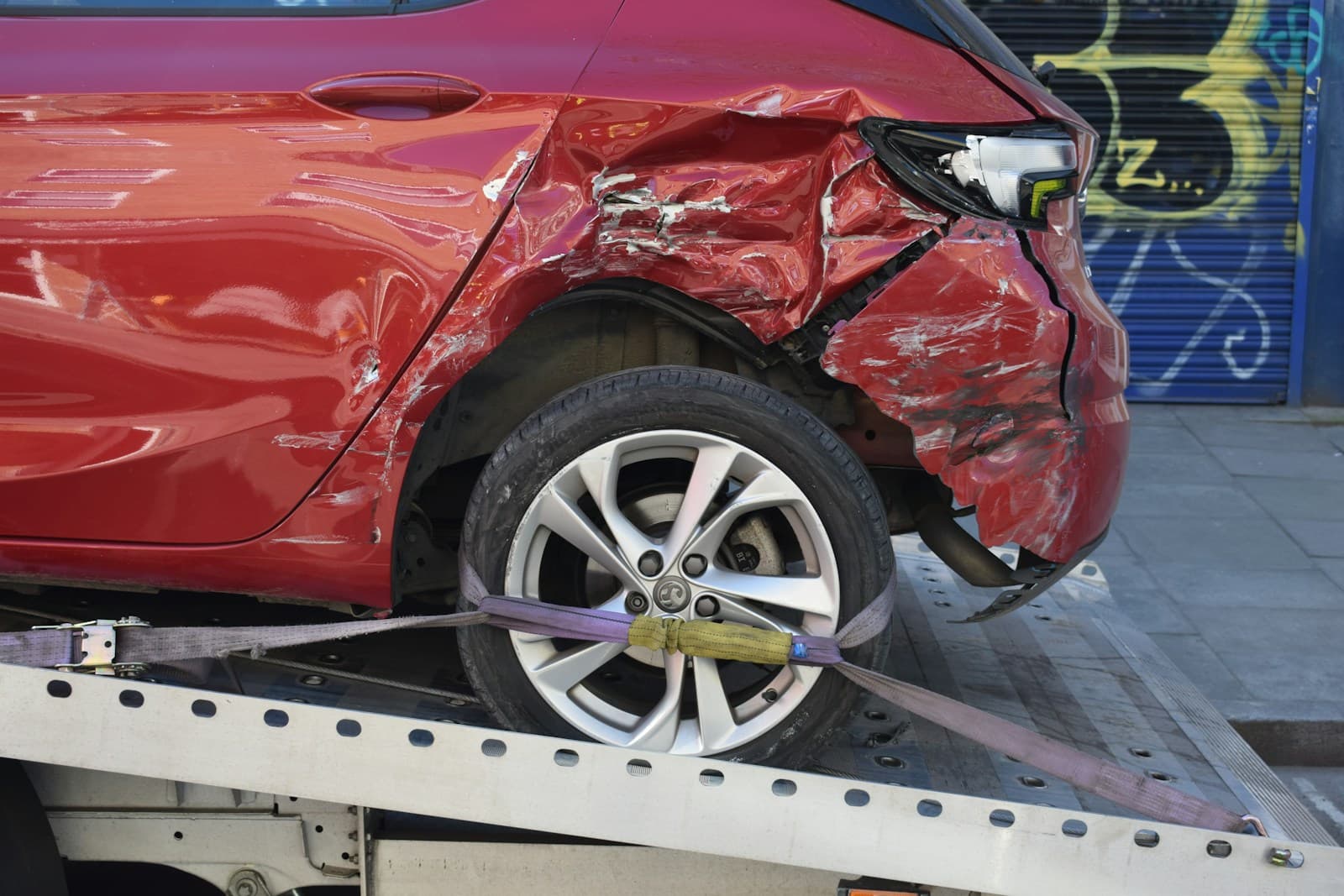
Here's the calculation most parents miss: collision coverage on an older vehicle pays actual cash value minus your deductible. If your 2013 sedan is worth $5,000 and you carry a $1,000 deductible, the maximum payout in a total loss is $4,000. If you're paying $800 per year for that coverage, you break even only if the teen totals the car every five years. That's not insurance, that's a forced savings account with a 0% return.
What Happens When You Drop Collision and Comprehensive
Removing collision and comprehensive from an older vehicle cuts your premium by 40–60% depending on the teen's age and driving profile. For a 16-year-old male added to a parent policy in Pennsylvania, full coverage on a 2012 vehicle might cost $2,400–$3,600 annually. Liability-only coverage on the same vehicle typically runs $1,200–$1,800 annually.
You remain fully covered for damage the teen causes to other people and their property. If your teen rear-ends another car, your liability coverage pays for the other driver's repairs and medical bills up to your policy limits. What you lose is reimbursement for damage to your own vehicle from at-fault accidents, single-vehicle crashes, weather, theft, and vandalism.
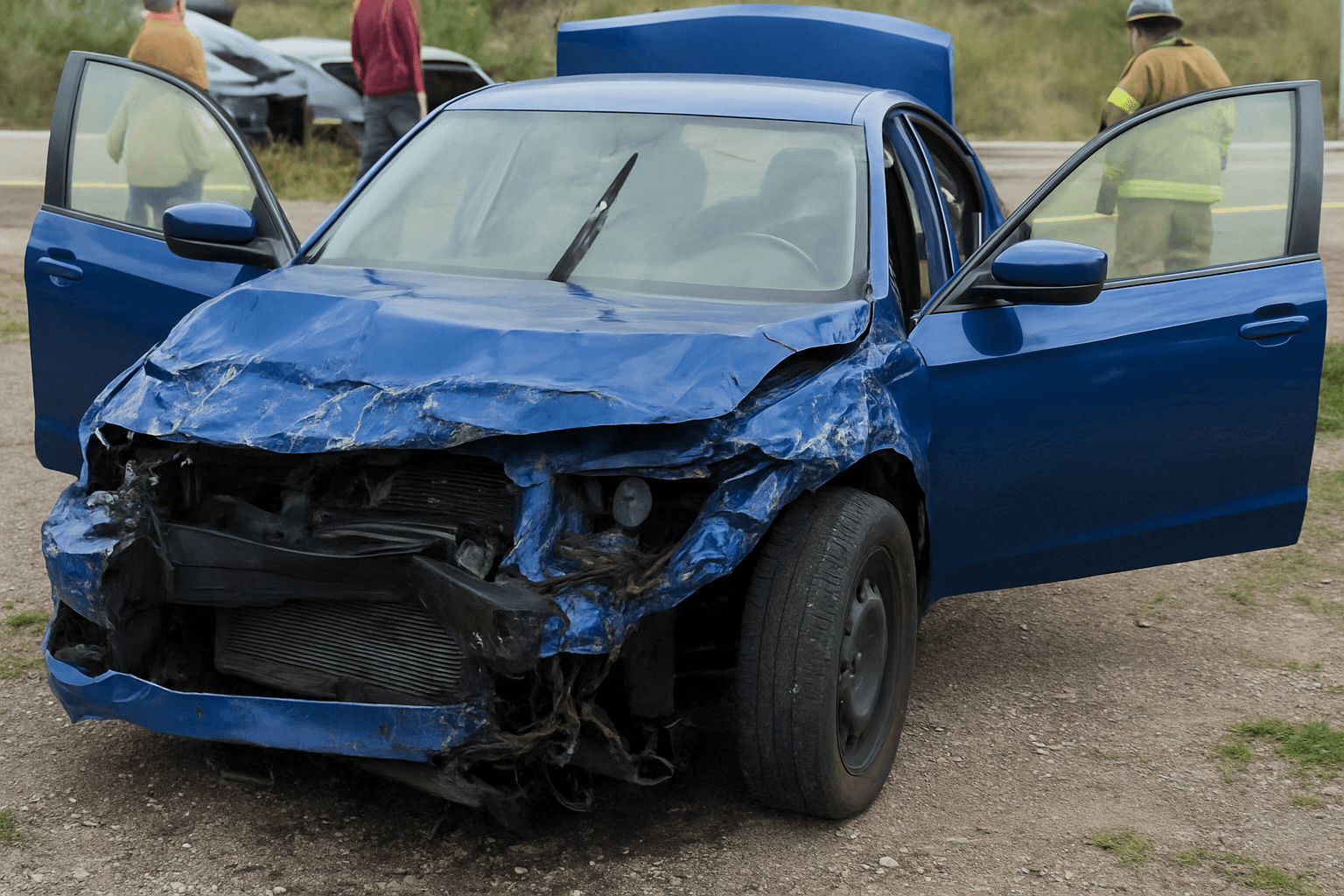
The risk you're accepting is vehicle replacement cost. If the teen totals the car, you pay out of pocket for a replacement. If that's a financial shock you cannot absorb, keep collision coverage. If losing a $5,000 car would be frustrating but manageable, dropping collision and comprehensive and banking the $1,200–$1,800 annual savings is the rational play.
See what adding a teen driver actually costs in your state
Compare quotes from carriers that offer good student discounts — most parents find savings they didn't know were available.
Get Your Free Quote✓ Good Student Discounts✓ No Obligation✓ Licensed Carriers✓ All 50 States
Liability Limits That Actually Protect You
Pennsylvania's $15,000/$30,000/$5,000 minimum is not adequate coverage when a teen driver is on the policy. A single moderate injury claim from a rear-end collision can exceed $30,000 in medical bills. If your teen causes an accident that injures multiple people or destroys a newer vehicle, you are personally liable for damages beyond your policy limits.
Carry at least $100,000/$300,000/$100,000 liability limits when insuring a teen driver. The cost difference between state minimum and $100,000/$300,000 is typically $200–$400 annually. The difference between $100,000/$300,000 and $250,000/$500,000 is often under $150 per year. Higher liability limits cost very little relative to the financial exposure they eliminate.
Uninsured motorist coverage in Pennsylvania is mandatory unless you reject it in writing. Keep it. Approximately 10% of Pennsylvania drivers are uninsured. If an uninsured driver injures your teen, UM coverage pays your teen's medical bills and compensates for lost wages and pain and suffering up to your selected limits. UM typically adds $100–$200 annually at $100,000/$300,000 limits and it's one of the highest-value coverages on a teen policy.
Good Student Discount and Other Stackable Reductions
Pennsylvania does not mandate the good student discount, but every major carrier writing in the state offers it. The discount typically reduces premiums by 10–25% and requires a 3.0 GPA or B average. You must submit proof at policy inception and again at every renewal. Most carriers accept a report card, transcript, or letter from the school on official letterhead.
Parents frequently lose the good student discount mid-policy because they don't realize they need to resubmit documentation every six or twelve months. Carriers do not send reminders. The discount simply falls off at renewal and the premium increases. Set a calendar reminder to submit updated proof 30 days before every renewal date.
Driver training discounts apply if your teen completes an approved driver education course. Pennsylvania does not require driver training for licensing, but the insurance discount ranges from 5–15% and lasts until age 21 with most carriers. Telematics programs like Snapshot (Progressive), DriveEasy (Geico), and SmartRide (Nationwide) can reduce teen premiums by an additional 10–30% based on monitored safe driving behavior. Stack all three and you can cut the teen surcharge nearly in half.
When Keeping the Teen on Your Policy Stops Making Sense
Adding a teen to a parent's multi-vehicle policy is almost always cheaper than buying the teen a separate policy. Parents benefit from multi-car and multi-policy discounts that reduce the per-vehicle rate. A separate teen policy loses those discounts and pays the highest possible base rate for a young inexperienced driver.
The exception is when the parent drives a high-value vehicle and the teen drives a low-value vehicle. Some carriers rate the teen as an occasional driver on all vehicles on the policy, which inflates premiums on the parent's newer car even if the teen never drives it. If your teen drives only the 2012 sedan and you drive a 2022 SUV, ask your carrier whether they rate the teen as principal driver on one vehicle only or as an occasional driver across the entire policy.
If the teen is rated across all vehicles and it's inflating your premium significantly, compare the cost of a separate liability-only policy for the teen on the older vehicle. You lose the multi-car discount, but you may save money by isolating the teen driver surcharge to one low-value vehicle on a standalone policy. Run both quotes before deciding.
Graduated Licensing Restrictions and Coverage Timing
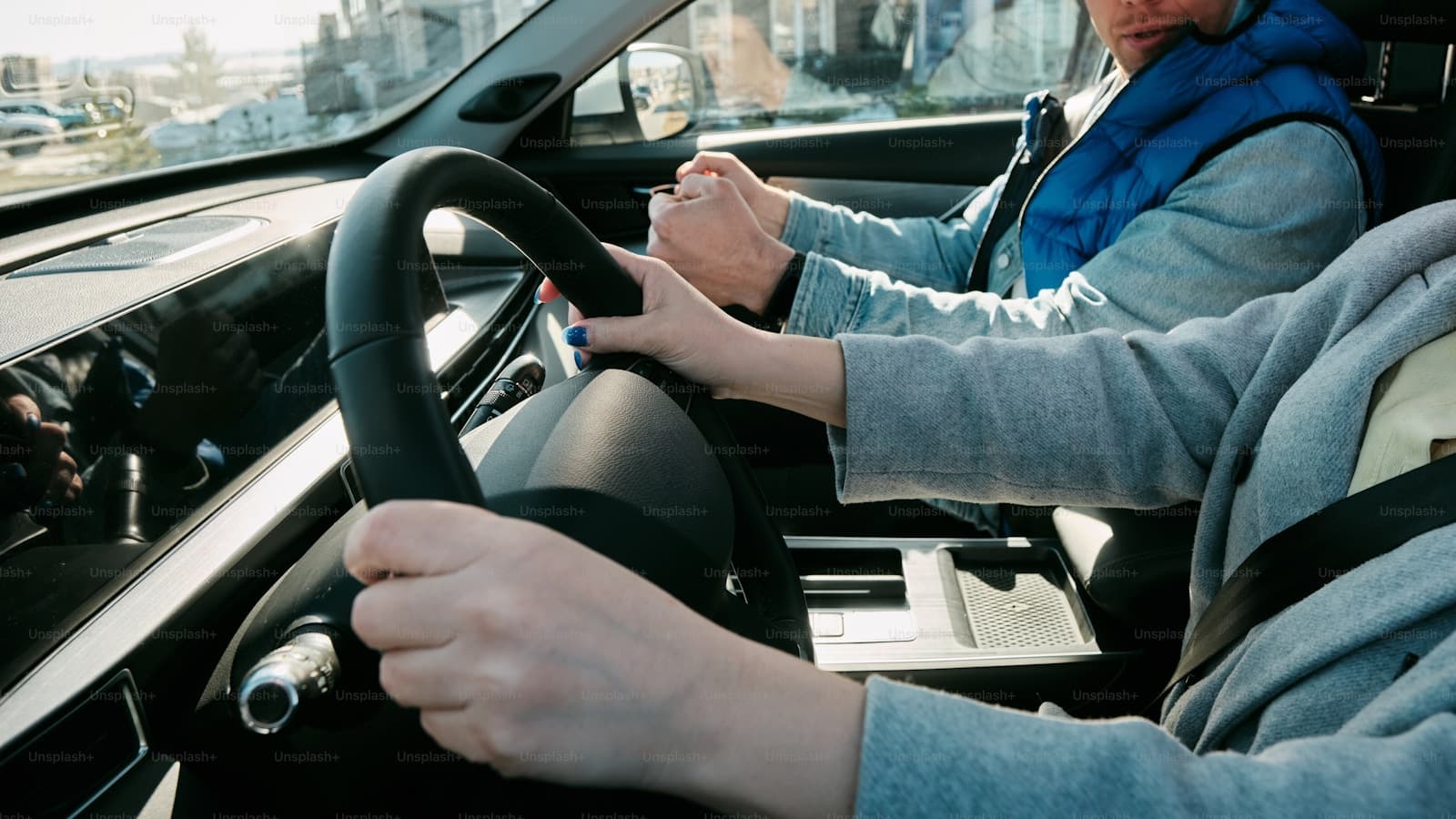
Pennsylvania requires a six-month learner's permit hold period with 65 hours of supervised driving, including 10 hours at night and 5 hours in bad weather. Junior license restrictions prohibit passengers under 18 who are not immediate family members for the first six months, and restrict nighttime driving between 11 p.m. and 5 a.m. unless traveling to or from work or a school-sponsored activity.
Your teen must be added to your policy the day they receive their learner's permit. Pennsylvania law considers a learner's permit holder a licensed driver for insurance purposes. If your teen has an at-fault accident during the learner's permit phase and they are not listed on your policy, the carrier can deny the claim. This is the most common coverage gap parents create unintentionally.
The junior license phase does not reduce premiums. Carriers do not distinguish between learner's permit, junior license, and full license for rating purposes. Your premium increases the day you add the teen and it stays elevated until they age out of the teen driver category, typically at age 20 or 21 depending on the carrier.