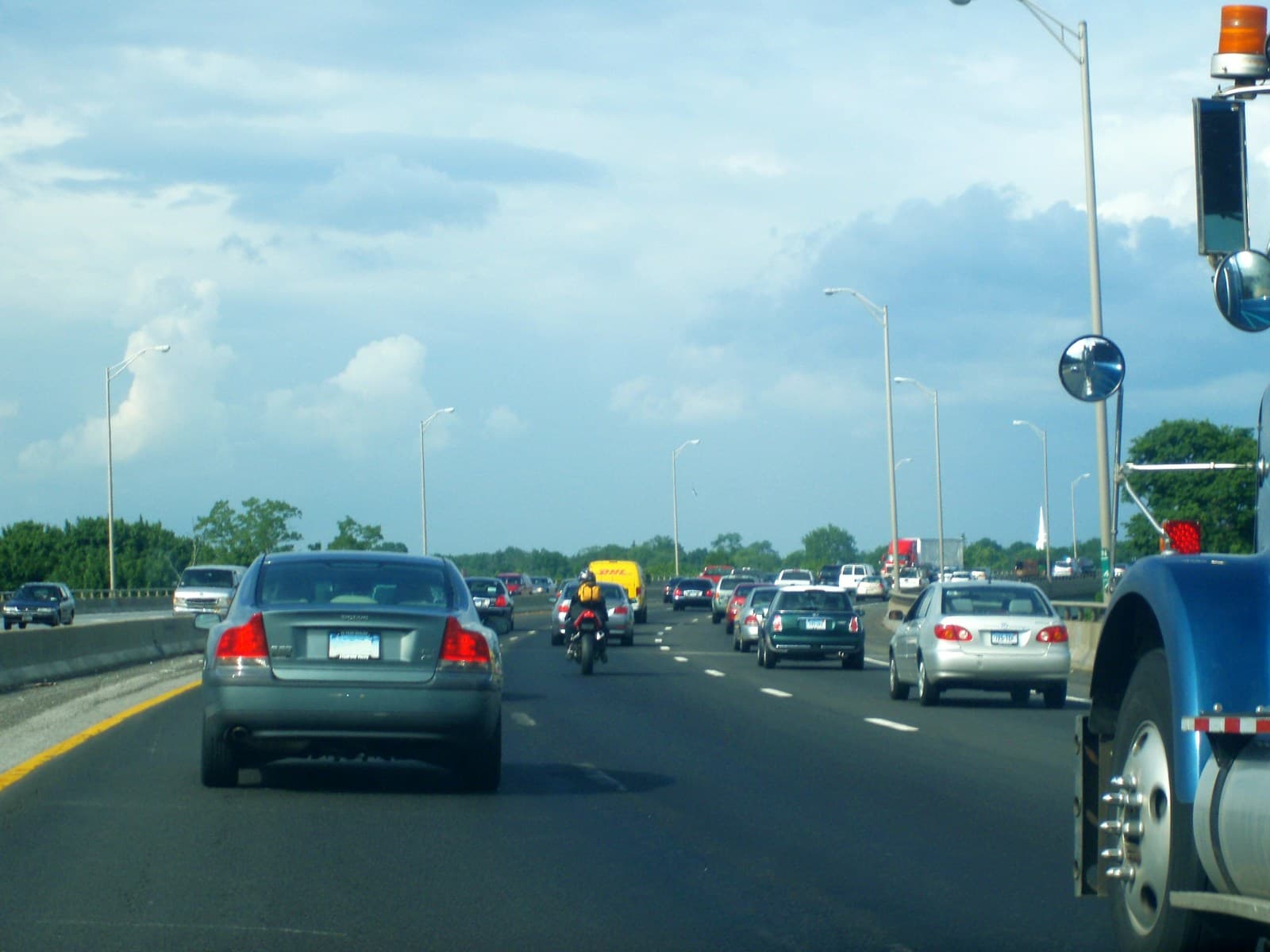
Your teen just got their first job with a 15-mile commute each way. In Michigan, that shift from pleasure use to work commute changes their mileage classification and can add $300–$600 annually to your premium before you've ever filed a claim.
What Happens to Your Premium When Your Teen Starts Commuting to Work in Michigan
When your 16- or 17-year-old gets their first job and starts driving to work, your Michigan auto insurance premium increases by $300–$600 annually on average because the mileage classification changes from pleasure use to work commute. Most carriers classify driving patterns into three or four tiers: pleasure (occasional errands, under 7,500 miles/year), commute (regular work or school trips under 15 miles one-way), and business (work-related driving beyond commuting). Your teen's daily 10-mile drive to their part-time job moves them from the lowest-risk pleasure category into commute, which carriers price 15–25% higher due to increased exposure during rush hour and higher annual mileage.
The premium increase applies even if your teen is listed as an occasional driver on your policy. Michigan is a no-fault state with mandatory personal injury protection coverage, and PIP claims are significantly more expensive than property damage claims. Carriers price teen drivers based on both the driver's risk profile and their usage pattern. A teen driving 5,000 miles annually to weekend activities costs less to insure than the same teen driving 7,500 miles annually during weekday morning and evening commutes.
If your teen is enrolled in a telematics program like Progressive Snapshot, State Farm Drive Safe & Save, or Allstate Drivewise, the carrier is tracking actual mileage and trip timing. When the program detects a pattern of weekday trips at 7 AM and 5 PM that wasn't present when you added your teen to the policy, the system flags the account for a mileage classification review. You'll receive a notice that your rate is being adjusted mid-policy to reflect commute usage, often with 30 days' notice and no option to contest the change if the telematics data supports it.
Michigan Graduated Licensing and Work Permits: What Parents Miss About Coverage
Michigan's Graduated Driver Licensing law restricts Level 2 intermediate license holders (typically ages 16-17) from driving between 10 PM and 5 AM unless traveling to or from work, and the teen must carry proof of employment. Most parents know about the nighttime restriction but don't realize that work-related driving is the only GDL exception, and it requires documentation your carrier may ask for during a claim.
If your teen is involved in an accident while driving to or from work during restricted hours and cannot produce a work permit or employment verification letter, the carrier can deny the claim on the grounds that the driver was operating outside the conditions of their license. Michigan law does not void your policy for a GDL violation, but it does allow carriers to deny coverage for that specific incident. The practical result: you're liable for the other party's damages out of pocket, and your teen's violation stays on their record.
When you notify your carrier that your teen has started a job with a commute, ask whether they require documentation of the work schedule and whether the policy includes an employment verification requirement. State Farm and Allstate both request employment letters for teens driving during restricted hours. Progressive and GEIC typically do not ask unless a claim occurs during those hours. If your carrier requires documentation and you don't provide it, the nighttime work commute is not covered even though you're paying the higher commute-use premium.
See what adding a teen driver actually costs in your state
Compare quotes from carriers that offer good student discounts — most parents find savings they didn't know were available.
Get Your Free Quote✓ Good Student Discounts✓ No Obligation✓ Licensed Carriers✓ All 50 States
How Far Is Too Far: One-Way Mileage Thresholds That Trigger Higher Premiums
Michigan carriers use one-way commute distance as a pricing factor, with most applying a surcharge when the commute exceeds 10 or 15 miles each direction. A teen driving 8 miles to work is typically classified as short commute with a 15–20% increase over pleasure use. A teen driving 18 miles to work is classified as long commute or high-mileage commute with a 25–35% increase over pleasure use.
The threshold varies by carrier. Progressive applies the long-commute surcharge at 15 miles one-way. State Farm applies it at 20 miles. Auto-Owners applies it at 10 miles but offers a reduced surcharge if the teen carpools at least three days per week. If your teen's workplace is near the threshold, the difference between a 14-mile commute and a 16-mile commute can add $200 annually to your premium with no change in the teen's actual driving behavior.
Annual mileage reported at policy inception or renewal locks in your rate for the term. If you reported 5,000 miles when you added your teen, and six months later they start a job that will add 3,500 commute miles annually, you are required to notify the carrier. Failing to update mileage is considered material misrepresentation in Michigan. If a claim occurs and the carrier's investigation reveals actual mileage significantly exceeds reported mileage, they can retroactively adjust your premium for the entire policy period and bill you for the difference, or deny the claim outright if the discrepancy is large enough to qualify as fraud.
Pleasure Use vs Commute: What the Mileage Classification Actually Covers
Pleasure use means the vehicle is driven for personal errands, recreation, and occasional trips with no regular schedule. Commute use means the vehicle is driven on a recurring schedule to a fixed location for work or school. The distinction is not about total annual mileage. A teen who drives 6,000 miles per year entirely for weekend trips and errands is pleasure use. A teen who drives 6,000 miles per year but 4,000 of those miles are a daily round trip to the same workplace is commute use.
Carriers price commute use higher because predictable schedules concentrate exposure during high-traffic periods when accident severity is higher. A teen driving to work at 7:30 AM five days a week is on the road during morning rush hour in the same corridors as thousands of other commuters. A teen driving to the mall on Saturday afternoon faces lower traffic density and lower closing speeds. The annual mileage is identical, but the risk profile is not.
Michigan requires all registered vehicles to carry no-fault PIP coverage, and PIP claims for injuries sustained during rush-hour accidents average 30–40% higher than off-peak accidents due to higher impact speeds and multi-vehicle involvement. Your carrier prices your teen's commute use higher not because the teen is a worse driver when going to work, but because the environment they're driving in is statistically more dangerous.
When to Notify Your Carrier and What Happens If You Don't
You must notify your Michigan carrier within 30 days of any material change in how a listed driver uses a covered vehicle. Starting a job with a regular commute qualifies as a material change. Failing to report it does not void your policy automatically, but it gives the carrier grounds to adjust your premium retroactively or deny a claim if the unreported usage contributed to the loss.
The notification process is straightforward: call your agent or carrier, state that your teen has started a job, provide the one-way mileage, and confirm whether the commute occurs during GDL-restricted hours. The carrier will re-rate your policy effective the date the job started. If you're mid-term, you'll receive a bill for the pro-rated premium increase. If you're within 30 days of renewal, the increase will appear on your renewal quote.
If you don't notify the carrier and your teen is involved in an at-fault accident while driving to or from work, the claims adjuster will ask during the recorded statement where your teen was going and why. When your teen states they were driving to work, the adjuster pulls your policy declaration and sees pleasure use listed. The carrier pays the claim because Michigan is no-fault and PIP benefits are not deniable based on misrepresented usage, but they will re-rate your policy retroactively and bill you for the difference between what you paid and what you should have paid from the job start date forward. That retroactive bill typically runs $400–$800 depending on how long the usage went unreported.
Can You Offset the Commute Surcharge With Discounts or Telematics
Michigan does not mandate a good student discount, but most carriers writing in the state offer it and accept a 3.0 GPA as the threshold. The discount reduces your teen's base rate by 10–25%, which partially offsets the commute surcharge. If your teen qualifies and you have not submitted transcripts recently, request the discount now. The savings apply to the new commute-use premium, not the old pleasure-use premium.
Telematics programs can reduce a teen driver's premium by 10–30% based on demonstrated safe driving behavior, but the program also reports actual mileage and trip timing to the carrier. If you enroll your teen in Snapshot or Drive Safe & Save after they start commuting, the program will detect the pattern within the first billing cycle and the carrier will re-classify the usage automatically. You'll receive the telematics discount, but you'll also receive the commute surcharge. The net result depends on your teen's driving score. A teen with strong braking, speed, and timing metrics may see a net savings. A teen with frequent hard braking or late-night trips may see a net increase.
Some Michigan carriers offer a distant student discount for teens attending college more than 100 miles from home without a vehicle. If your teen's job is a summer position and they'll be leaving for college in August, notify your carrier of both the job start date and the college departure date. You'll pay the commute surcharge for June, July, and August, then receive the distant student discount starting in September. The discount is typically larger than the commute surcharge, so the annual net effect is a reduction despite the summer increase.
What Happens If Your Teen Loses the Job or Reduces Hours
If your teen's job ends or their hours reduce to the point where they're no longer commuting daily, notify your carrier immediately. The mileage classification reverts to pleasure use and your premium decreases accordingly. Most carriers apply the reduction at the next renewal, but some will pro-rate the decrease mid-term if you request it.
The reduction is not automatic. If you added the commute surcharge in March when your teen started the job, and the job ended in June, your carrier will continue billing the commute rate through your October renewal unless you call and request the change. Carriers have no incentive to monitor whether your teen is still employed, and they will not proactively reduce your rate when usage decreases.
If your teen switches from a five-day commute to a two-day commute, some carriers offer a partial reduction. Auto-Owners and Frankenmuth both classify part-time commute as a separate category priced between pleasure and full-time commute. Progressive and State Farm do not. They price any regular work commute as commute use regardless of frequency. If your teen's schedule changes, ask your carrier whether a reduced-frequency commute qualifies for a lower rate.