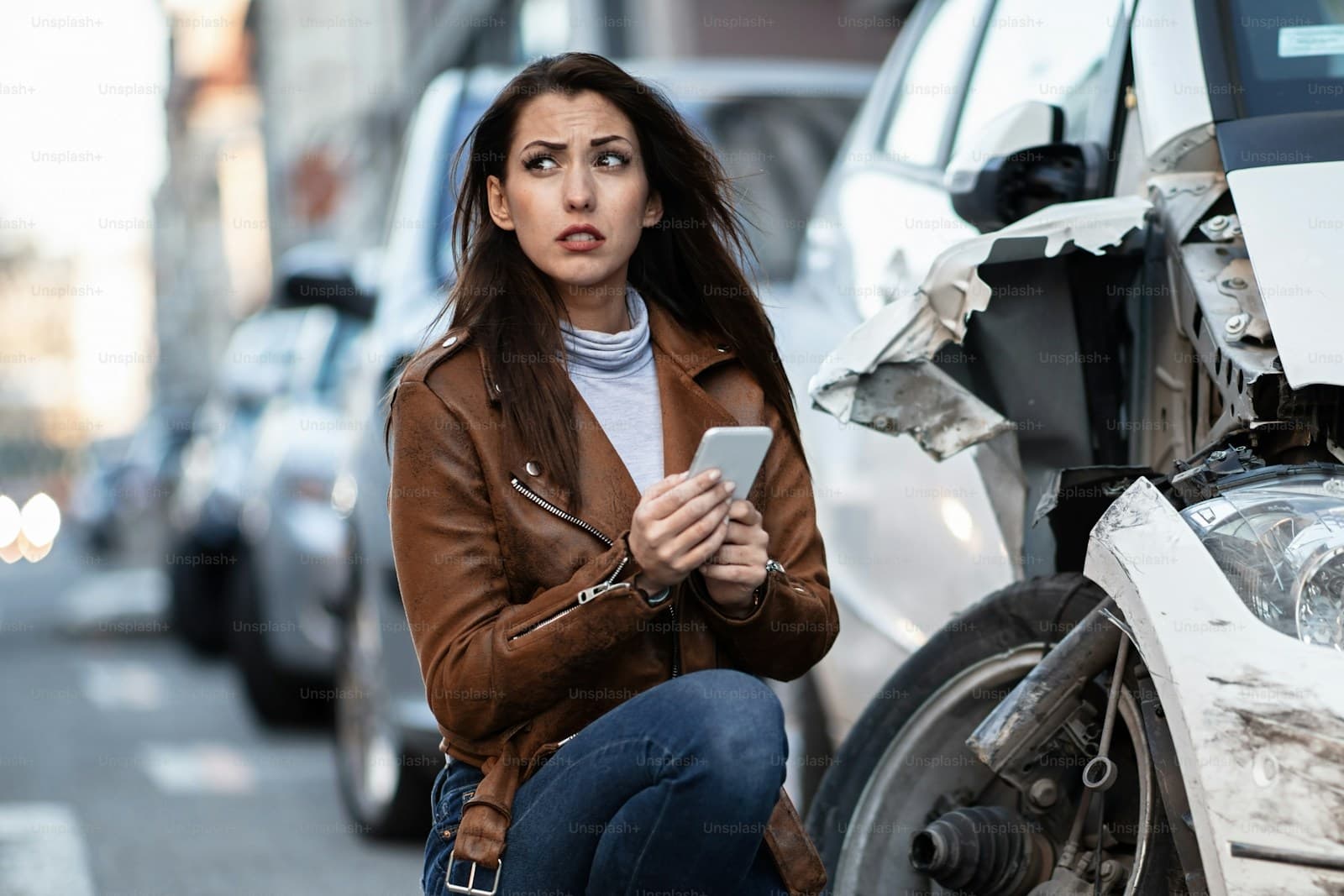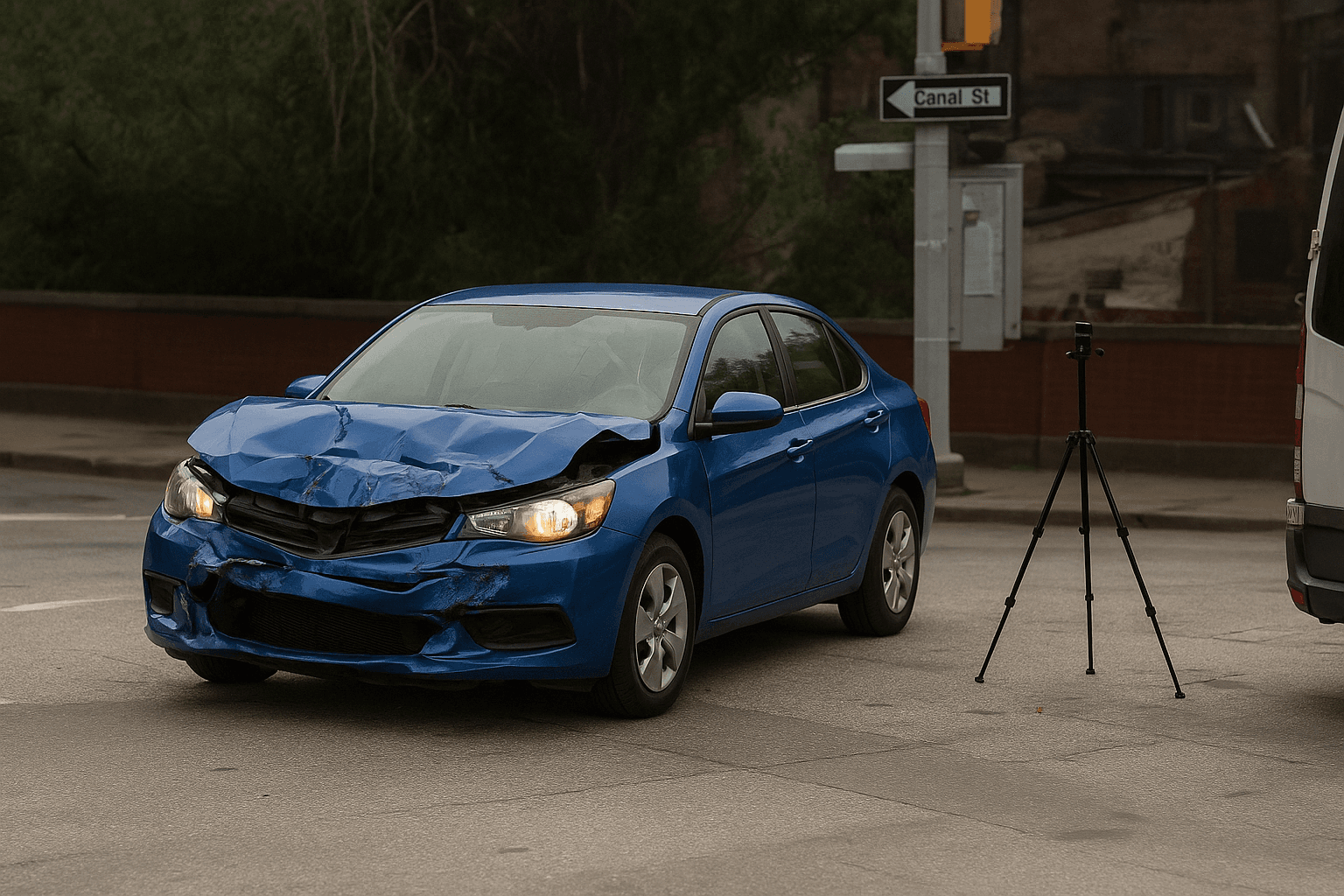
Your teen handed the keys to a friend without a license. Now you're looking at a denied claim, potential policy cancellation, and personal liability for damages your coverage won't touch.
Your coverage stops the second an unlicensed driver starts the engine
The permissive use clause in your auto policy covers additional drivers you allow to use your vehicle, but it contains a universal exclusion: the driver must hold a valid license for the vehicle class. The moment your teen hands the keys to an unlicensed friend, collision coverage, comprehensive coverage, and liability coverage all void for that trip. Most parents assume their policy follows the vehicle regardless of who drives. It doesn't.
If the unlicensed friend hits another vehicle, your liability coverage will not pay the other driver's damages. You become personally liable for medical bills, vehicle repairs, and any lawsuit that follows. If the friend totals your vehicle, your collision coverage will not pay to replace it. The claim denial comes after you've filed, after the adjuster investigates, after you've assumed coverage applied.
This is not a gray area or a coverage dispute insurers sometimes pay anyway. Unlicensed driver exclusions appear in every standard auto policy sold in the United States. The policy language is identical across State Farm, GEICO, Progressive, and every other carrier. No valid license equals no coverage, regardless of fault, damage amount, or how briefly the friend drove.
The learner's permit exception that doesn't help most teens
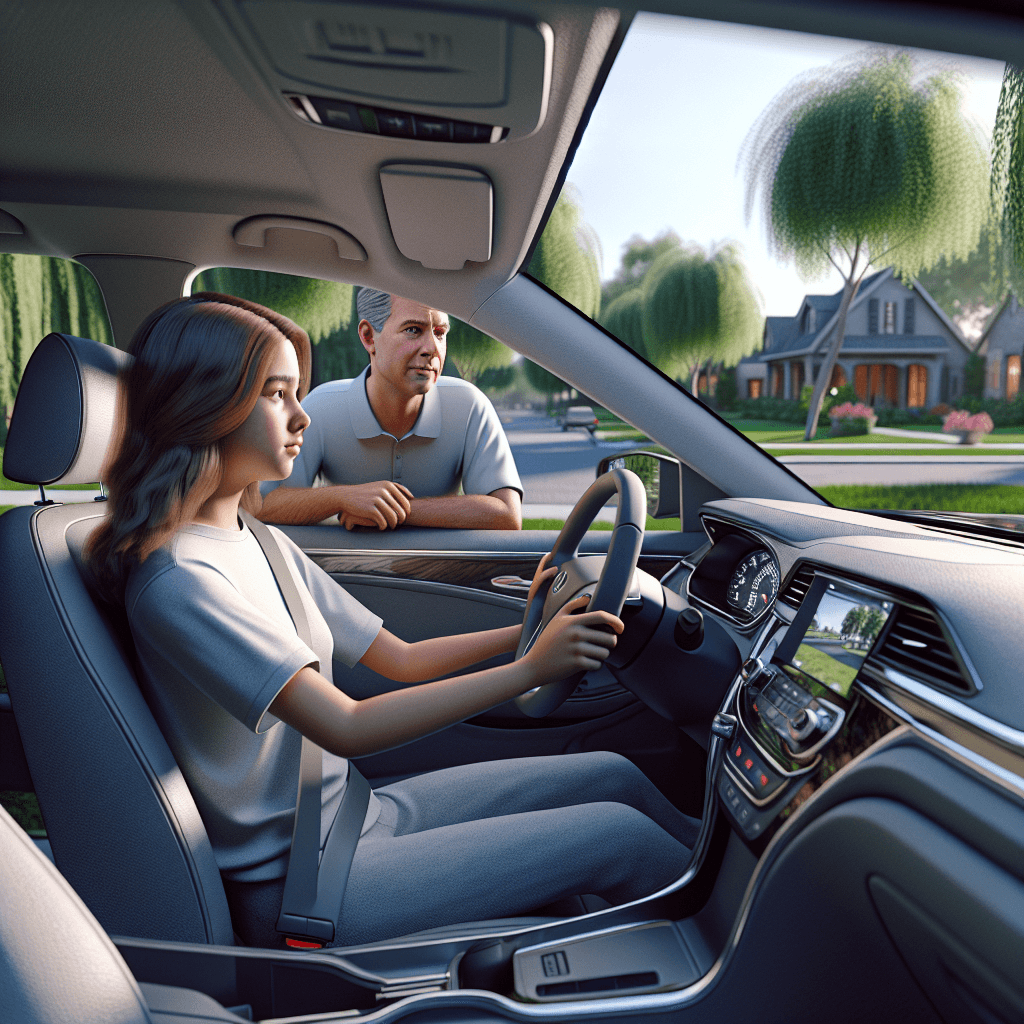
A learner's permit counts as a valid license for permissive use purposes only if the policy's named insured or another licensed adult is in the vehicle supervising. If your 16-year-old with a learner's permit lets a friend with a learner's permit drive alone, both permits become irrelevant. The supervision requirement is not a suggestion. It's a legal condition of the permit itself.
Some parents mistakenly believe that if both teens hold learner's permits, the coverage gap disappears. It doesn't. Unsupervised permit holders are treated identically to unlicensed drivers by insurers. The claim denies, the liability transfers to you, and the vehicle damage becomes your personal loss.
The only scenario where a learner's permit provides coverage is when a licensed adult listed on the policy sits in the passenger seat. If your teen is driving alone and hands the keys to anyone, permit or not, coverage ends.
See what adding a teen driver actually costs in your state
Compare quotes from carriers that offer good student discounts — most parents find savings they didn't know were available.
Get Your Free Quote✓ Good Student Discounts✓ No Obligation✓ Licensed Carriers✓ All 50 States
What you pay when the carrier denies the claim
If the unlicensed friend causes $8,000 in damage to another vehicle, you pay $8,000 out of pocket. If they injure someone and medical bills reach $40,000, you pay $40,000 unless you declare bankruptcy or the injured party accepts a settlement for what you can afford to pay. Your liability coverage will not step in. The other driver's uninsured motorist coverage may cover their own losses, but that doesn't protect you from being sued personally.
If your own vehicle is damaged or totaled, you pay to repair or replace it. A $25,000 vehicle becomes a $25,000 personal loss the moment an unlicensed friend takes the wheel, even if the accident wasn't their fault. Collision coverage requires a valid licensed driver. No license means no claim payment, regardless of who caused the accident.
Some parents assume the unlicensed friend's parents will cover the damages. There is no legal mechanism that forces them to pay unless you sue and win a judgment. Even then, collecting depends on their assets. Most families cannot absorb a $30,000 or $50,000 unplanned liability. That's why insurance exists. But insurance only exists when the driver holds a valid license.
Whether your insurer will cancel your policy after the denied claim
Cancellation depends on how the carrier interprets the risk you now represent. If the adjuster determines your teen knowingly allowed an unlicensed driver to operate the vehicle, many carriers treat that as material misrepresentation or a pattern of high-risk behavior. Non-renewal at your next policy term becomes likely. Some carriers cancel mid-term if state law allows it.
Even if the policy doesn't cancel immediately, the denied claim and the incident report both remain in your claims history. When you shop for a new policy, every carrier sees the unlicensed driver incident. You will be quoted as a high-risk household. Expect rate increases between 20% and 40% depending on the severity of the incident and your prior history.
Carriers that specialize in non-standard or high-risk auto insurance will accept you, but at rates significantly higher than standard market pricing. The financial consequence of one unlicensed driver incident extends across multiple policy years, not just the immediate claim denial.
Why teens hand over the keys and what stops it
Teens hand over keys for predictable reasons: the friend needs to get somewhere, your teen is tired or doesn't want to drive, or social pressure makes saying no uncomfortable. Most teens do not understand that their parent's insurance stops covering the vehicle the moment an unlicensed driver takes control. They assume coverage follows the car, not the driver's license status.
The most effective deterrent is making the financial consequence explicit and personal. If your teen understands that an unlicensed friend crashing the vehicle means they will not have a car to drive for the next two years because you cannot afford to replace it and insurance won't pay, the social pressure to hand over keys weakens. Teens respond to concrete consequences they can picture, not abstract warnings about liability.
Some parents add a vehicle use agreement to the household rules: the teen loses driving privileges for six months if they allow anyone not listed on the policy to drive. The agreement gets signed, dated, and posted. The clarity removes ambiguity when the situation arises.
The named driver exclusion option most parents don't use
If your teen has friends who frequently ask to borrow the car, you can file a named driver exclusion with your carrier. This formally excludes specific individuals from coverage, which prevents your teen from claiming later that they thought the friend was covered. The exclusion costs nothing and adds legal clarity.
Most parents don't file exclusions because they assume their teen won't hand over the keys. That assumption fails more often than parents expect. The exclusion doesn't stop your teen from allowing an unlicensed friend to drive, but it eliminates any coverage ambiguity and makes the denial automatic and undisputed.
Some states do not allow named driver exclusions for household members, but all states allow exclusions for non-household drivers. If your teen's friend group includes individuals without licenses who are regularly in your vehicle, filing the exclusion removes the risk that an adjuster might argue the friend was a permissive user.
What to do immediately after your teen lets someone unlicensed drive
If you discover your teen allowed an unlicensed friend to drive and no accident occurred, do not file a claim or report it to your insurer. No damage means no claim, and voluntary disclosure of a policy violation can trigger an underwriting review that results in non-renewal. The incident stays between you and your teen.
If an accident occurred, contact your insurer immediately and provide accurate information about who was driving. Lying to the adjuster about the driver's identity is insurance fraud and converts a denied claim into a criminal matter. The adjuster will request the police report, interview witnesses, and determine who was behind the wheel. Misrepresentation voids your policy entirely, not just the claim.
After the claim denies, consult an attorney before paying any settlement to the other party. Some injured parties or their insurers will demand immediate payment and threaten lawsuits to pressure you. An attorney can evaluate whether the demand is reasonable and negotiate a structured payment plan if the liability is legitimate. Paying a disputed amount in full removes your ability to contest it later.