
What Affects Rates in Savannah
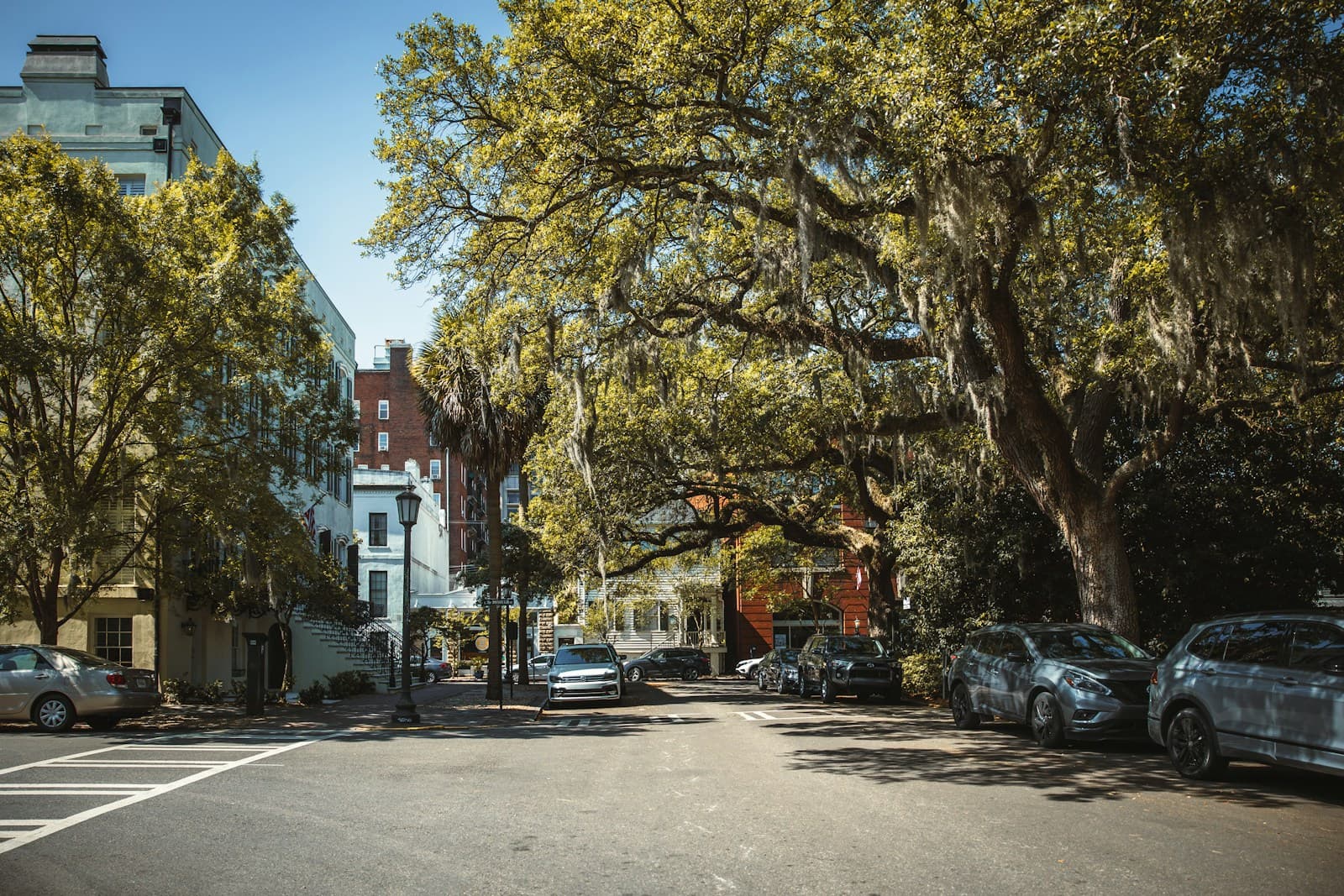
- Teen drivers navigating the downtown grid face unique hazards: cobblestone streets near River Street with poor traction in rain, narrow lanes on Broughton Street with parallel parking turnover, and constant tourist pedestrian traffic crossing mid-block near City Market. Parents whose teens attend SCAD preparatory programs or work in the tourism corridor should prioritize higher liability limits given the elevated pedestrian injury exposure compared to suburban Pooler routes.
- Teens commuting to schools along Abercorn—from Victory Drive south to Southside—navigate Savannah's highest-volume commercial strip with frequent rear-end collisions at Oglethorpe Mall, DeRenne Avenue, and Rio Road intersections. Parents should verify collision coverage deductibles carefully if their teen drives this route daily, as fender-bender frequency here significantly exceeds rates on Islands Expressway or Truman Parkway.
- Teens living on Wilmington Island or Whitemarsh Island face longer bridge commutes via President Street Extension and Islands Expressway, increasing daily mileage and highway exposure compared to in-town students. These routes have lower collision frequency than downtown but higher speeds, making comprehensive coverage for windshield damage from road debris more relevant than for families whose teens only drive the Midtown grid.
- June through August brings rental cars, tour buses, and out-of-state drivers unfamiliar with Savannah's one-way system, concentrating on Bay Street, Martin Luther King Jr. Boulevard, and Montgomery Street. Teen drivers navigating downtown during peak tourist months face triple the traffic density of winter, making uninsured motorist coverage particularly valuable given the volume of short-term rental vehicles with minimum out-of-state policies.
- Savannah's summer thunderstorms create flash flooding in low-lying areas along White Bluff Road, Hodgson Memorial Drive, and Georgetown neighborhoods where many high schoolers attend schools or first jobs. Parents whose teens drive older vehicles without comprehensive coverage should discuss flood risk explicitly, as even 6-8 inches of standing water can total an engine—a scenario more common here than in elevated Midtown areas.
See what adding a teen driver actually costs in your state
Compare quotes from carriers that offer good student discounts — most parents find savings they didn't know were available.
Get Your Free QuoteCoverage Recommendations
Cost estimates are based on available industry data and vary by driver profile. These are not insurance quotes.
Liability Insurance
Savannah's River Street and Broughton Street pedestrian zones create elevated injury liability risk for teen drivers navigating the Historic District during tourist season.
Higher limits add $15–$40/month for teensEstimated range only. Not a quote.
Collision Coverage
Rear-end accidents at Abercorn Street's commercial intersections and parking lot incidents near Oglethorpe Mall make collision coverage valuable for teens driving this corridor daily.
$800–$1,500 annually for teen driversEstimated range only. Not a quote.
Comprehensive Coverage
Flash flooding on White Bluff Road and Southside neighborhoods during summer storms creates hydro-lock risk for teens driving older vehicles without high ground clearance.
$300–$600 annually for teensEstimated range only. Not a quote.
Uninsured Motorist Coverage
Tourist season brings thousands of rental vehicles and out-of-state drivers with minimum policies to Bay Street and MLK Boulevard, increasing uninsured/underinsured exposure for Savannah teen drivers.
$10–$25/month additionEstimated range only. Not a quote.