
What Affects Rates in Tacoma
- The I-5/SR-16 interchange near the Tacoma Dome and the I-705 downtown connector are high-frequency accident zones where teen drivers merging during school commute hours (7–8 AM, 2–3 PM) face elevated collision risk. Insurers analyze crash data from these corridors when pricing teen driver premiums, and parents should prioritize collision coverage if their teen regularly uses these routes to reach Stadium, Wilson, or Foss High Schools.
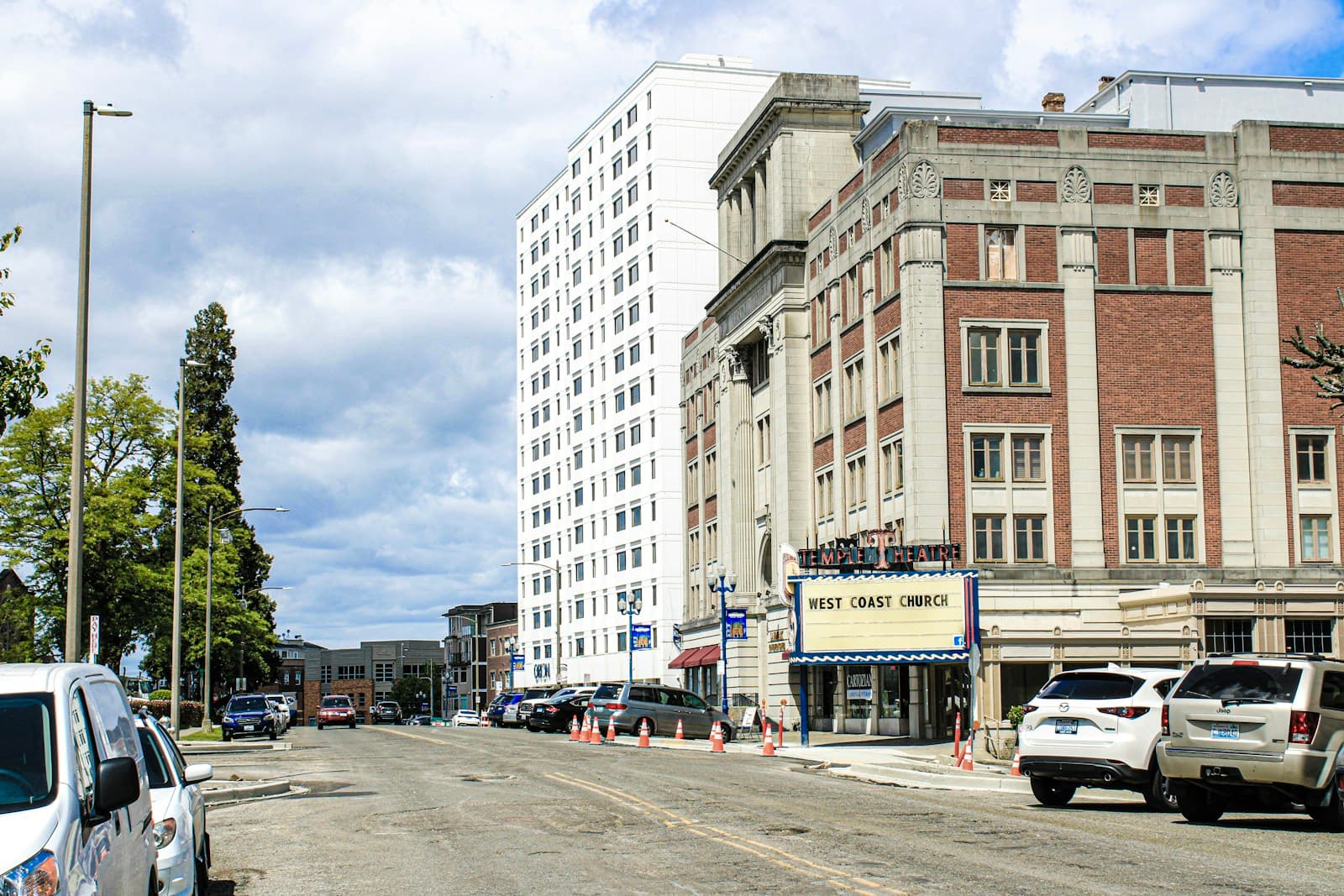
- Downtown Tacoma parking near University of Washington Tacoma, the waterfront district, and Sixth Avenue business corridor generates higher comprehensive claims for teen drivers due to vehicle break-ins, vandalism, and parking lot fender-benders. If your teen parks downtown for school or work at Tacoma Mall or the Port of Tacoma area, comprehensive coverage becomes more cost-justified than in suburban Puyallup or Lakewood.
- Tacoma's steep hillside neighborhoods—particularly around Stadium High School, North Tacoma, and portions of Hilltop—create unique challenges for new drivers managing manual transmissions, hill starts, and wet pavement traction during October–March rain. Teen drivers learning in these areas benefit from driver training programs that include hill driving, which may qualify for insurer-specific training discounts.
- Many Tacoma teens work retail or service jobs along Pacific Avenue between downtown and the Tacoma Mall, requiring evening and weekend driving during peak shopping hours when parking lot accidents spike. Parents should verify whether their teen's work commute pattern affects their policy's usage classification, as regular employment driving on congested commercial strips can influence premium calculations.
- Tacoma's persistent October–April rainfall creates slick conditions on SR-16 westbound toward Gig Harbor and eastbound toward Joint Base Lewis-McChord, routes many teens use for school, extracurriculars, or part-time jobs. Collision coverage becomes more relevant for teen drivers regularly navigating these high-speed corridors in low-visibility conditions, particularly during the 4–6 PM winter commute when daylight fades.
See what adding a teen driver actually costs in your state
Compare quotes from carriers that offer good student discounts — most parents find savings they didn't know were available.
Get Your Free QuoteCoverage Recommendations
Cost estimates are based on available industry data and vary by driver profile. These are not insurance quotes.
Liability Insurance
Tacoma's freeway congestion and multi-lane interchange merges increase the risk of chain-reaction collisions where damages quickly exceed state minimums.
Moderate increase for higher limitsEstimated range only. Not a quote.
Collision Coverage
Tacoma's urban parking lots, Stadium District hill starts, and wet-pavement conditions on SR-16 make collision claims more frequent for inexperienced drivers.
High cost for teens, but required if vehicle is financedEstimated range only. Not a quote.
Comprehensive Coverage
Downtown Tacoma and the Sixth Avenue corridor have higher vehicle break-in rates, making comprehensive coverage more cost-justified than in suburban Pierce County areas.
Moderate cost, high value in urban zonesEstimated range only. Not a quote.
Uninsured/Underinsured Motorist
Tacoma's urban density and commuter traffic from surrounding Pierce County communities increase exposure to drivers carrying only state minimums.
Low cost, recommended for teen driversEstimated range only. Not a quote.
Medical Payments Coverage
Tacoma's freeway speeds on I-5 and SR-16 and congested merges near the Tacoma Dome increase injury severity in teen driver accidents.
Low to moderate costEstimated range only. Not a quote.