
The Claim Notice Just Arrived
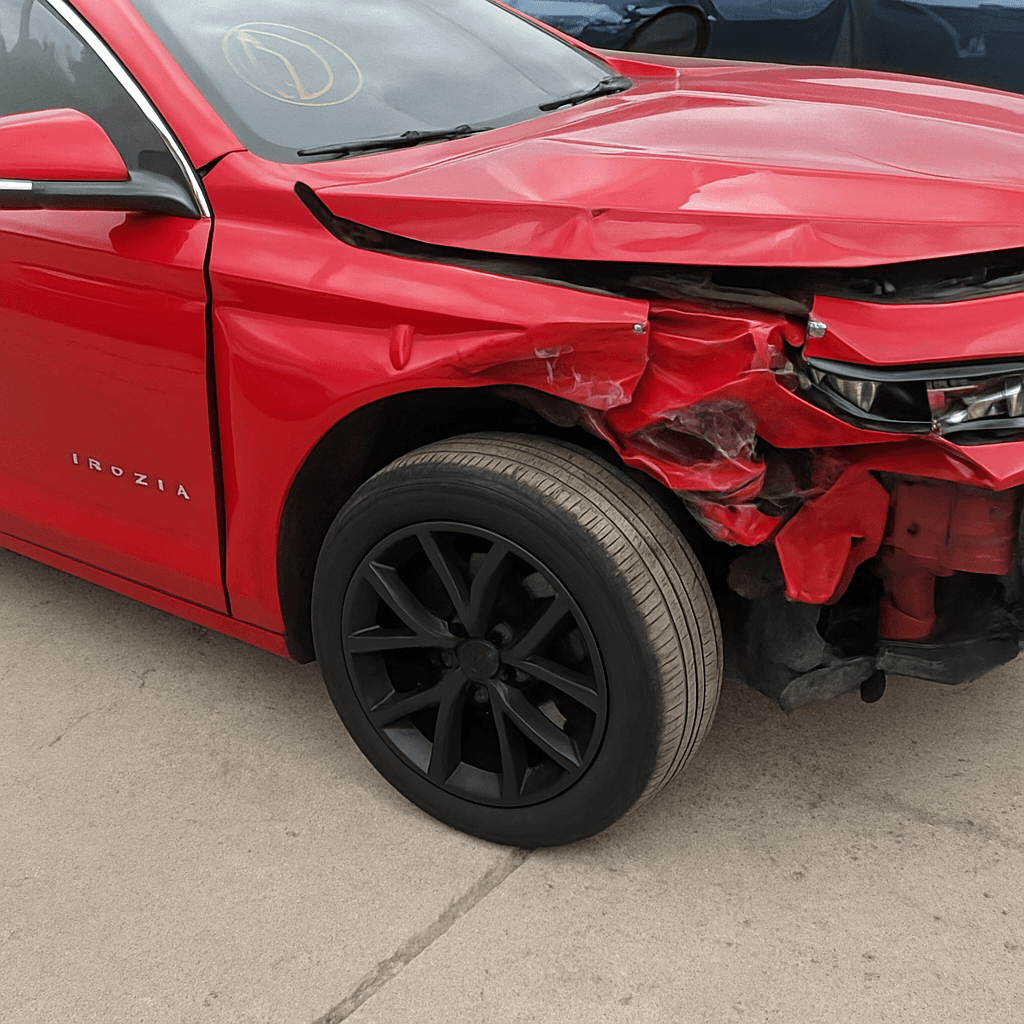
Your teen backed into a parked car, sideswiped a mailbox pulling out of the driveway, or misjudged a turn and clipped another vehicle. The other driver filed a claim. Your carrier sent a notice confirming they'll pay it. Now you're calculating whether this single accident will cost you more over the next three years than the car itself is worth.
The accident enters your household's loss history the day your carrier closes the claim file. That record follows every driver listed on your policy, not just the teen who caused it. The question parents ask next is whether moving the teen to their own policy erases the problem. It doesn't. The claim stays on your record because carriers share loss history through a database called CLUE, and every carrier your household applies to for the next three to five years will see it.
See what adding a teen driver actually costs in your state
Compare quotes from carriers that offer good student discounts — most parents find savings they didn't know were available.
Get Your Free QuoteAccident Reporting Window
3-5 years
At-fault accidents remain on your CLUE report and affect premium calculations for three to five years from the claim closure date, depending on carrier underwriting rules. The teen moving to their own policy doesn't shorten this window.
LexisNexis CLUE reporting standards
What Actually Happens at Renewal
Your carrier re-rates your entire household at renewal based on the updated loss history. The accident doesn't just increase the teen's portion of the premium. It recalculates the base rate for every vehicle and every driver on the policy because the household now carries a recent at-fault claim. Multi-car discounts and claim-free discounts disappear. The renewal quote reflects the household's new risk profile, not just the individual driver's.
Parents assume the surcharge applies only to the teen's vehicle or can be isolated by moving the teen off the policy before renewal. That's not how household rating works. The claim is tied to your policy number and your address. Moving the teen to their own policy after the accident doesn't remove the claim from your record. Both policies now carry the loss history: yours because the claim was filed under your policy number, and the teen's because CLUE links the accident to their driver license number.
The structural reality: your premium increases at renewal whether the teen stays on your policy or moves to their own. The teen's new standalone policy will also reflect the accident because every carrier pulls their CLUE report during underwriting. You're not choosing between a surcharge and no surcharge. You're choosing which policy structure absorbs it.
The accident is already on both your CLUE report and your teen's. Moving them to a separate policy doesn't erase it from either record.
The Add-to-Policy vs Separate-Policy Decision After an Accident

If the teen stays on your policy, your household premium increases at renewal to reflect the at-fault claim. You keep multi-car and multi-policy discounts if you still qualify. The teen benefits from any remaining household discounts: good student, driver training, or telematics programs that credit safe driving going forward. The total household cost is one combined premium covering all vehicles and drivers.
If the teen moves to their own policy, your premium still increases at renewal because the claim remains on your CLUE report. The teen's standalone policy will be significantly higher than their share of your household premium would have been, because they lose access to multi-car discounts, they're rated as a young driver with a recent at-fault accident, and they no longer benefit from your household's overall risk profile. You're now paying two separate premiums, both of which reflect the same accident.
Related Articles





What Carriers Actually Do With First-Accident Drivers
Standard carriers rarely drop a household after a single at-fault accident unless the claim exceeds a specific dollar threshold or the household already carried prior claims. The accident triggers a rate increase, not automatic non-renewal. If your carrier does non-renew you, the reason will appear in the non-renewal notice: it's usually a combination of the claim plus other factors like multiple violations, a lapsed payment history, or a second claim filed within the same policy period.
When a standard carrier non-renews a household with a teen driver after an accident, the household moves to a non-standard or assigned-risk carrier. These carriers specialize in higher-risk profiles and charge significantly more than standard-market rates. The teen moving to their own policy doesn't prevent this. If your household loses access to standard-market carriers, the teen will also be placed in the non-standard market when they apply independently, because their CLUE report shows the same accident your household's report does.
Some carriers offer accident forgiveness programs that waive the first at-fault claim's surcharge if the household has been claim-free for a specified period before the accident, typically three to five years. This benefit applies at the policy level, not the driver level. If your policy qualifies for accident forgiveness, the teen's accident won't trigger a rate increase at renewal. Check your current policy declarations page or contact your carrier to confirm whether accident forgiveness is active on your account. Most parents don't realize they have it until they need it.
Monthly Premium After At-Fault Accident
$245-$275
National average monthly premium for drivers with a recent at-fault accident ranges from $245 to $275, representing a 43-55% increase over clean-record rates. Teen drivers with an accident pay significantly more due to the combined inexperienced-operator and loss-history surcharges.
Insurance.com 2026 accident/ticket study, Bankrate 2025
The Three-Year Rate Path Forward
The accident's impact on your premium decreases each year as the claim ages. Most carriers apply the highest surcharge in the first year after the claim closes, reduce it in the second year, and reduce it further in the third year. By year four or five, depending on the carrier, the accident falls off your CLUE report entirely and stops affecting your rate. This timeline applies whether the teen stays on your policy or moves to their own.
If the teen remains accident-free and violation-free after the first accident, some carriers offer a claim-free discount that partially offsets the original surcharge as the policy renews each year. Telematics programs that monitor driving behavior can also reduce the teen's portion of the premium if they demonstrate consistent safe driving habits. These tools don't erase the accident, but they provide a pathway to lower rates faster than waiting for the claim to age off the report.
Compare Carriers on How They Price First Accidents
Carriers vary significantly in how they surcharge first-time at-fault accidents, especially for young drivers. Some apply a flat percentage increase to the household premium. Others recalculate the teen's individual risk score and adjust only their portion of the multi-car rate. A few carriers weight the accident more heavily if it involved property damage above a specific threshold or if the teen was cited for a moving violation in connection with the accident. When your renewal quote arrives, request quotes from at least three other carriers to compare how each prices your household's updated loss history. Carriers that specialize in young-driver households or offer robust telematics programs often price first accidents more favorably than carriers that treat all at-fault claims identically regardless of driver age or claim severity.